Are Reciprocating Saw Blades Wood Comparable to Milwaukee Ax Nitrus Carbide
Deep Dive: Are Milwaukee Ax Nitrus Carbide Sawzall Blades Worth It?
For professionals who rely on reciprocating saw blades for wood, durability and precision are everything. After extensive testing and comparison, it’s clear that Milwaukee’s Ax Nitrus Carbide Sawzall blades deliver performance that justifies their premium price. Their carbide-infused structure outlasts standard bi-metal or high-carbon steel blades by a wide margin, especially in demolition or renovation tasks where wood often hides nails or screws. For heavy-duty users, the cost-to-longevity ratio strongly favors the Nitrus Carbide line.
Understanding Reciprocating Saw Blades for Wood Applications
Before evaluating advanced carbide models, it helps to look at what defines a standard reciprocating saw blade for wood. These blades are the workhorses of framing, trimming, and demolition work, combining flexibility with aggressive cutting geometry.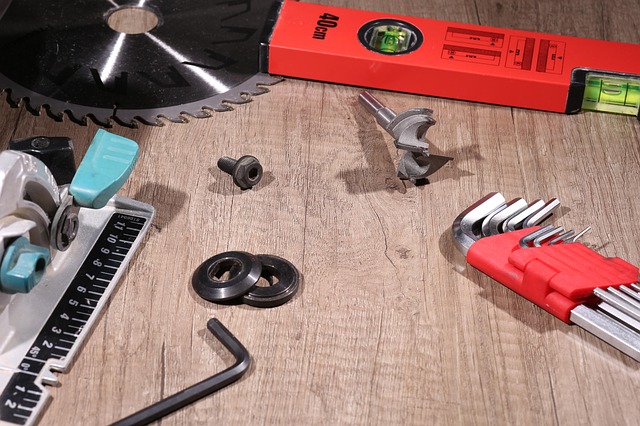
Composition and Design of Standard Wood-Cutting Blades
Most reciprocating saw blades designed for wood cutting use high-carbon steel or bi-metal compositions. High-carbon steel offers affordability and flexibility but wears faster under stress. Bi-metal blades combine a flexible body with hardened teeth, balancing resilience and edge retention. The tooth geometry—typically featuring large, hooked teeth—allows fast removal of material through softwoods and hardwoods alike. Flexibility is key; too rigid a blade risks snapping during plunge cuts or when working in tight spaces.
Performance Factors in Wood-Cutting Efficiency
Several design elements dictate how efficiently a reciprocating saw blade cuts wood. Tooth pitch (measured in teeth per inch) determines whether a blade favors speed or smoothness. Wider gullets between teeth improve chip removal but can reduce surface finish quality. Heat resistance also plays a role; excessive friction dulls edges quickly during continuous use. Compatibility with different saw models ensures stable operation without chatter or deflection—a small factor that makes a big difference in cut accuracy.
Exploring Milwaukee Ax Nitrus Carbide Technology
Milwaukee’s Ax Nitrus Carbide series represents a major leap forward in reciprocating saw technology for wood applications. The company re-engineered traditional blade design to handle mixed materials without compromising longevity or speed.
Material Innovation Behind Nitrus Carbide Blades
Nitrus Carbide technology blends carbide grit with advanced bonding processes to create an exceptionally durable cutting edge. This hybrid material resists wear even when slicing through dense lumber embedded with nails, screws, or metal plates. Unlike conventional bi-metal teeth that lose sharpness after repeated impacts, the engineered carbide tips maintain their cutting profile longer, reducing downtime from frequent replacements.
Design Features Specific to the Milwaukee Ax Series
The Ax series integrates optimized tooth spacing to handle multiple materials—wood, drywall, even light metal—without clogging or overheating. A reinforced tang and thicker body minimize vibration during aggressive cuts, giving operators more control over plunge starts and directional accuracy. Friction-reducing coatings further enhance speed while preventing heat buildup that can compromise both the blade and saw motor over time.
Comparing Standard Wood Reciprocating Blades to Milwaukee Ax Nitrus Carbide
The real test lies in side-by-side performance comparisons under real-world conditions: framing teardown, deck removal, and structural renovation involving old fasteners or treated lumber.
Durability and Wear Resistance Comparison
Standard high-carbon steel blades dull quickly when they hit nails or screws hidden inside reclaimed wood. Even bi-metal designs struggle after several impacts because the softer backing metal flexes excessively under load. By contrast, Milwaukee’s Nitrus Carbide maintains edge integrity across dozens of heavy-duty cuts. Field data from contractors show up to ten times longer life compared with standard wood-cutting blades—a significant gain for industrial operations where downtime costs add up fast.
Cutting Speed and Efficiency Assessment
Traditional wood blades perform well on clean lumber but slow down dramatically once they encounter composite materials or embedded hardware. The carbide formulation of the Ax series sustains its cutting rate even through abrasive surfaces like pressure-treated beams or plywood laminates. Reduced deflection means straighter lines during demolition tasks where precision still matters—for example, trimming joists near finished surfaces without splintering adjacent materials.
Cost-to-Performance Evaluation
At first glance, standard reciprocating saw blades seem more economical due to their low upfront cost. However, frequent replacements quickly offset any savings when tackling demanding jobsites. The extended lifespan of carbide-tipped designs means fewer blade changes per shift and less tool downtime overall. For professional tradespeople billing by the hour or managing crew efficiency, this longevity translates directly into lower total project cost despite higher initial investment.
Application Insights from Professional Use Cases
Selecting between standard and carbide reciprocating saw blades depends heavily on project scope and material conditions rather than brand loyalty alone.
Selecting the Right Blade for Project Demands
Light-Duty Carpentry Work
For simple framing tasks or clean pine boards, high-carbon steel remains sufficient and budget-friendly. Its flexibility allows quick plunge starts without risk of cracking brittle stock.
Heavy-Duty Demolition or Renovation Tasks
In contrast, demolition crews often face mixed-material environments—old studs filled with nails or subfloors glued over metal brackets—where Nitrus Carbide excels. Its toughness reduces breakage incidents common with cheaper alternatives during long teardown sessions.
Maintenance Practices to Maximize Blade Lifespan
Proper Storage and Cleaning Techniques
Even premium carbide blades benefit from good care routines. Keeping them dry prevents corrosion on non-carbide sections such as the tang area where moisture can collect after use in damp environments.
Operational Adjustments for Different Materials
Adjusting stroke rate based on material density extends lifespan significantly. Lower speeds suit harder woods like oak; higher strokes per minute handle softwoods efficiently without overheating teeth edges.
Industry Perspective on Future Blade Technology Trends
The evolution of reciprocating saw blades reflects broader shifts in manufacturing materials science and digital tool integration across construction trades worldwide.
Advancements in Material Science for Cutting Tools
Researchers are developing hybrid composites combining flexible cores with ultra-hard carbides to balance toughness against brittleness—a challenge long faced by tool engineers. Nanostructured surface coatings could soon deliver wear resistance comparable to full-carbide tools while maintaining manageable production costs for mass-market users.
Integration of Smart Tool Systems with Blade Performance Monitoring
Emerging smart power tools equipped with embedded sensors may soon monitor vibration patterns and temperature changes to predict blade wear before failure occurs. Such data-driven maintenance schedules would help contractors plan replacements proactively rather than reactively—reducing waste while improving jobsite safety standards recognized by ISO tool performance guidelines.
FAQ
Q1: What makes Milwaukee Ax Nitrus Carbide different from regular bi-metal blades?
A: It uses bonded carbide grit instead of welded steel teeth, providing far greater wear resistance when cutting nail-embedded wood or composites.
Q2: Are these blades suitable only for professionals?
A: While designed for trade-level durability, serious DIYers tackling renovations also benefit from fewer replacements during tough projects.
Q3: Can Nitrus Carbide blades cut through metal pipes?
A: They can handle occasional contact with light metals but are primarily optimized for wood-based demolition containing nails or screws rather than solid steel tubing.
Q4: How should these blades be stored after use?
A: Store them dry in their protective sleeves; moisture exposure can corrode non-carbide portions even if cutting edges remain intact.
Q5: Do they fit all reciprocating saw models?
A: Yes, they feature a universal shank compatible with most major reciprocating saw brands used across construction trades today.


