
What Makes a Drill Hole Cutter the Ideal Choice for Tile Drilling Experts
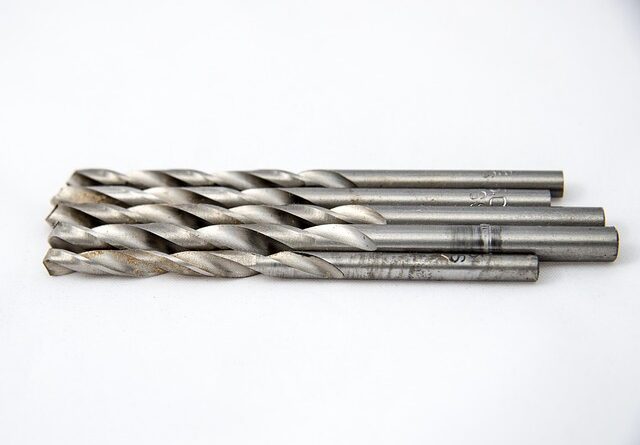
Best Drill Bit for Drilling Holes in Tiles That Works!
Selecting the right drill hole cutter determines whether a tile project ends with precision or with cracks and wasted material. For professionals, the best tool is not just about sharpness but control, material match, and durability under load. Diamond-coated cutters consistently outperform others on porcelain and stone, while tungsten carbide tips remain reliable for softer ceramics. The key lies in pairing cutter composition with tile hardness and maintaining proper cooling during operation. Done correctly, a quality drill hole cutter delivers smooth, chip-free holes that maintain tile integrity even under demanding site conditions.
Understanding the Role of a Drill Hole Cutter in Tile Drilling
Tile drilling demands a balance between accuracy and surface protection. The drill hole cutter serves as the bridge between mechanical force and delicate material, translating torque into clean perforations without compromising structural strength.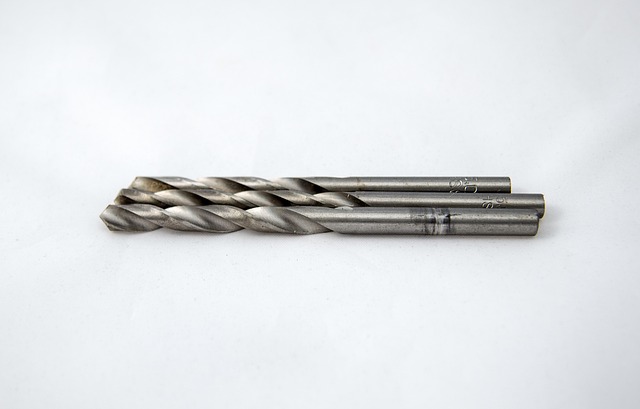
The Function of a Drill Hole Cutter in Precision Tile Work
A drill hole cutter’s main job is to create clean, accurate holes while preventing surface damage. Its cutting edge geometry distributes pressure evenly across the tile face, minimizing chipping and cracking on materials like porcelain or ceramic. Controlled drilling speed allows for steady penetration rather than abrupt impact, which is crucial when working with vitrified tiles that can fracture easily under stress.
The Importance of Material Compatibility
Each tile type requires a matching cutter composition. Ceramic tiles respond well to carbide-tipped bits because they are softer, while dense porcelain or marble benefits from diamond-coated cutters that provide superior hardness and wear resistance. Using mismatched tools shortens cutter life and increases breakage risk. Professionals often test cutters on sample pieces before committing to full installations to confirm compatibility.
Key Design Characteristics That Define an Ideal Drill Hole Cutter
The design of a drill hole cutter determines its stability, precision, and longevity. Engineers focus on cutting edge technology and structural reinforcement to achieve consistent performance across various materials.
Cutting Edge Composition and Coating Technology
Diamond-grit or electroplated coatings enhance cutting performance on hard surfaces such as granite or porcelain. Advanced bonding techniques prevent grit loss during long sessions, ensuring uniform abrasion rates. Coating uniformity also matters—it maintains consistent cutting speed and produces smoother edges that require minimal finishing work afterward.
Structural Design for Stability and Accuracy
A well-balanced body reduces vibration during drilling, allowing precise hole placement even on vertical surfaces. Reinforced shank designs improve torque transfer from the drill motor to the bit tip, reducing slippage under high load. Optimized flute patterns help remove slurry or debris efficiently, keeping the cutting zone clear for better cooling.
Performance Factors That Influence Drilling Efficiency
Performance depends not only on design but also on how speed, torque, and cooling are managed during operation. These parameters directly affect both tool life and surface finish quality.
Speed, Torque, and Cooling Requirements
Rotational speed must be controlled carefully—too fast generates heat that damages both tile glaze and bonding resin within the cutter; too slow risks uneven drilling. Adequate torque ensures smooth penetration through dense surfaces like porcelain slabs. Water cooling systems are standard among professionals because they reduce frictional heat buildup and extend tool life significantly by maintaining stable temperatures.
Durability and Wear Resistance in Professional Use
High-grade steel alloys resist deformation even under continuous load conditions common in large-scale installations. Anti-corrosion treatments protect against moisture exposure during wet drilling operations. Consistent performance across multiple sessions increases productivity since fewer tool changes mean less downtime on-site.
Choosing the Right Drill Hole Cutter for Specific Tile Applications
Selecting an appropriate cutter involves more than size—it’s about understanding tile density, required hole dimensions, and installation purpose. Making informed choices saves both time and material cost.
Matching Cutter Type to Tile Hardness Levels
Soft ceramic tiles perform well with tungsten carbide-tipped cutters due to their moderate hardness levels. For dense porcelain or granite surfaces, diamond-coated cutters deliver faster penetration with minimal edge damage. Specialized versions exist for glass mosaics where edge chipping must be nearly eliminated; these often use finer diamond grit for cleaner finishes.
Considering Hole Diameter and Depth Requirements
Different projects call for varying diameters—from small anchor holes for screws to large openings for plumbing fixtures. Core-style cutters are ideal when creating larger circular openings without excessive pressure buildup at the center point. Depth control features help maintain uniform penetration across multiple tiles laid side by side.
Techniques to Maximize Tool Performance and Longevity
Even premium tools fail early if mishandled. Correct setup practices combined with regular maintenance routines can double the lifespan of a professional-grade drill hole cutter.
Proper Setup and Operational Practices for Experts
Tiles must be firmly secured before drilling begins; any movement leads to fractures along tension lines. Guide templates assist in aligning holes accurately when installing fixtures such as shower valves or electrical boxes. Applying gradual pressure instead of forcing entry prevents micro-cracks from forming beneath glazed surfaces—a mistake often made by less experienced operators.
Maintenance Routines for Sustained Efficiency
Frequent inspection reveals early signs of wear such as uneven coating loss or dull edges that affect accuracy. Cleaning after each use removes abrasive residue that can scratch subsequent workpieces. Proper storage—preferably in dry containers—preserves edge sharpness by preventing oxidation on metal surfaces over time.
Emerging Innovations in Drill Hole Cutter Technology
Recent advances combine materials science with digital sensing technologies to improve both precision and durability beyond traditional mechanical designs.
Advancements in Diamond Bonding and Coating Methods
Nano-bonding techniques now improve adhesion between diamond particles and base metals, reducing grit shedding during extended use cycles. Hybrid coatings blend durability with lower frictional resistance so that less coolant is needed while maintaining high-speed efficiency—a notable improvement in energy-sensitive environments like automated tile production lines.
Integration of Smart Features for Professional Applications
Next-generation drill hole cutters integrate sensors that monitor temperature rise or vibration amplitude in real time, allowing automatic adjustment of feed rate or rotational speed through connected controllers. Adaptive torque systems analyze feedback from material contact points to modulate power delivery dynamically—an innovation particularly valuable when alternating between different tile types within one installation session.
FAQ
Q1: What type of drill hole cutter works best for porcelain tiles?
A: Diamond-coated cutters are preferred because they offer superior hardness capable of penetrating dense porcelain without causing cracks or glaze damage.
Q2: How can overheating be prevented during tile drilling?
A: Maintaining moderate rotational speed combined with water cooling effectively dissipates heat generated at the contact surface.
Q3: Are core-style cutters suitable for all tile types?
A: They perform best on thick tiles or stone where larger diameter holes are required; however, using them on thin ceramic may cause chipping if not properly supported underneath.
Q4: How often should a professional inspect their drill hole cutter?
A: After every major project or approximately every 50–100 holes drilled depending on material hardness; early detection of wear prevents poor-quality cuts later.
Q5: What’s the most common mistake when using a new drill bit on tiles?
A: Applying excessive pressure at startup—this causes immediate micro-fractures beneath glazed layers which later expand into visible cracks once fixtures are tightened down.


