
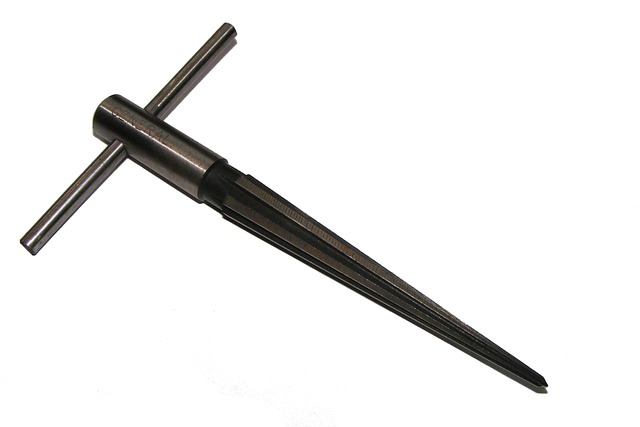
Can A Plastic Pipe Reamer Improve Efficiency When Using The Best Drill Bit For Galvanized Pipe That Cuts Like Butter
Best Drill Bit For Drilling Tree Stumps That Works Fast!
Removing a tree stump efficiently depends on selecting the right drill bit. Among the available options, the hole cutter bit stands out for its speed, precision, and durability. Its circular cutting design removes material cleanly while reducing torque strain on the drill motor. Professionals prefer it because it penetrates dense wood without overheating or clogging. When paired with proper drilling speed and eco-conscious practices such as environmentally friendly packaging, it becomes both a technical and sustainable choice for stump removal operations.
The Role of Drill Bit Design in Tree Stump Drilling?
A stump’s fibrous structure demands more than brute force—it requires a bit designed for controlled cutting and efficient chip evacuation. The mechanical interaction between the bit and wood fibers determines how smoothly drilling proceeds.
The Mechanics of Drilling Through Wood Fibers
Tree stumps resist drilling due to their dense grain and moisture content. A well-designed bit geometry allows sharp edges to slice through fibers rather than tear them. This reduces vibration and prevents excessive heat buildup. Poor chip removal can cause clogging, forcing frequent stops to clear debris. Heat not only dulls the cutting edge but also burns the wood surface, compromising accuracy.
Comparing Conventional Drill Bits and Specialized Wood Bits
Conventional bits like spade or twist types often struggle with hardwood stumps because they grind instead of cut cleanly. Spade bits remove material quickly but lack depth control, while auger bits provide deeper penetration at slower speeds. Hole cutter bits combine both speed and control by extracting circular cores, minimizing energy loss and protecting the drill motor from overload during extended use.
Evaluating the Hole Cutter Bit for Tree Stump Applications
Among specialized tools, the hole cutter bit deserves attention for its structural efficiency and adaptability across stump sizes. Its engineering reflects decades of refinement in woodworking technology.
Structural Features of a Hole Cutter Bit
A hole cutter bit includes adjustable circular blades that can vary in diameter depending on stump width. The pilot bit at its center anchors the tool, keeping it aligned as outer blades carve through layers of wood. This configuration maintains balance during rotation and minimizes splintering around the edges—critical when precision matters in confined outdoor spaces.
Advantages of Hole Cutter Bits in Stump Drilling
The key advantage lies in how it removes circular cores instead of pulverizing fibers. This approach reduces friction heat, allowing longer continuous operation without burning or dulling the tool. In practice, professionals often use layered passes to deepen holes progressively, maintaining consistent cutting pressure while preventing overheating—a method that extends both tool life and drill performance.
Performance Factors Influencing Drilling Speed and Efficiency
Drilling performance depends not only on design but also on material composition, coatings, and machine settings adapted to wood density variations.
Material Composition and Coating Technologies
Carbide-tipped or bi-metal hole cutters withstand abrasion from dense hardwoods better than standard steel bits. Advanced coatings reduce friction between blade surfaces and wood chips, which keeps temperatures low even under heavy torque loads. Proper lubrication further improves chip evacuation, especially when working with resinous species like pine or oak that tend to gum up uncoated tools.
Optimal Drill Speed and Torque Settings for Wood Density Variations
Dense hardwoods require lower RPMs to avoid scorching while maintaining steady torque output from high-power drills. Incremental drilling—pausing periodically to clear chips—prevents overheating during long sessions. A variable-speed setting helps adapt instantly when transitioning between soft sapwood layers and hard core sections within a single stump.
Environmental Considerations in Tool Selection and Use
Sustainability now influences every stage of tool production—from packaging materials to field operations—and professionals increasingly value brands adopting greener standards.
Integrating Environmentally Friendly Packaging Practices in Tool Manufacturing
Manufacturers are shifting toward environmentally friendly packaging, using recyclable cartons or biodegradable inserts instead of plastic shells. This small change significantly cuts waste from disposable accessories while aligning with forestry management principles that promote resource conservation throughout a tool’s lifecycle.
Minimizing Ecological Impact During Stump Removal Operations
Efficient drilling consumes less power per stump processed, reducing overall energy demand on-site generators or battery systems. Precision cutting also limits unnecessary disturbance around root zones that may still support nearby vegetation. Finally, repurposing drilled-out cores as mulch or compost supports broader environmental stewardship goals common in sustainable landscaping projects.
Practical Guidelines for Professionals Using Hole Cutter Bits on Tree Stumps
Even expert operators benefit from consistent preparation routines that prevent accidents and extend equipment life during intensive fieldwork.
Preparation and Safety Measures Before Drilling Operations
The stump should be stabilized firmly before starting to prevent rotational kickback under torque stress. Inspect each hole cutter bit for wear or imbalance since damaged blades can cause wobbling or uneven cuts. Protective eyewear and gloves remain essential because flying wood chips can eject at high velocity during initial penetration stages.
Maintenance Routines to Extend Bit Longevity and Performance Consistency
After each session, cleaning off resin buildup restores smooth cutting action by preventing drag along blade edges. Sharpening dull segments maintains uniform speed across repeated passes through hardwood sections. When stored properly—dry, upright, away from corrosive moisture—the bit retains its structural integrity for future use without deformation or rusting issues common in neglected tools.
FAQ
Q1: What makes a hole cutter bit faster than other drill types?
A: It removes wood by cutting circular cores rather than grinding fibers, which reduces resistance and heat buildup for quicker penetration.
Q2: Can a hole cutter bit handle both softwood and hardwood stumps?
A: Yes, carbide-tipped variants perform well across different densities when paired with correct RPM settings.
Q3: How does environmentally friendly packaging relate to professional tool use?
A: It reflects manufacturers’ commitment to sustainability by reducing waste from non-recyclable materials used in product distribution.
Q4: What safety step is most often overlooked during stump drilling?
A: Many operators forget to secure the stump base tightly; this increases risk of rotation injuries under heavy torque loads.
Q5: How often should hole cutter bits be cleaned or sharpened?
A: After every major project or several hours of continuous drilling to maintain sharpness and prevent resin accumulation that slows performance.


