
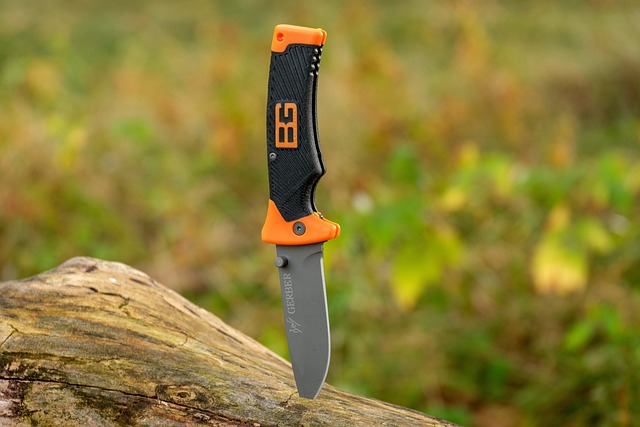
Could A Duct Knife Provide Critical Forensic Insights In The Case
Bloodied Knife, Duct Tape, Victim’s Bank Card Allegedly Found in Accused Man’s Car
The discovery of a bloodied duct knife, duct tape fragments, and a victim’s bank card inside a suspect’s vehicle represents a convergence of physical evidence that can decisively shape a criminal investigation. Each item carries distinct forensic signatures—biological, chemical, and mechanical—that, when analyzed collectively, can reconstruct the sequence of events and link an individual to a crime. The duct knife, in particular, provides a crucial nexus between tool mark analysis and DNA profiling. Its forensic relevance lies not only in its material composition but also in how it interacts with other evidence such as tape adhesives or the victim’s personal effects.
The Forensic Relevance of a Duct Knife in Criminal Investigations
In forensic practice, the duct knife is often underestimated until microscopic or biological evidence reveals its evidentiary weight. Its industrial design and cutting efficiency make it both a practical tool and a potential weapon.
Definition and Characteristics of a Duct Knife
A duct knife is primarily used by technicians for cutting insulation or heavy-duty materials. Its blade typically features dual edges—one smooth and one serrated—crafted from stainless or carbon steel to maintain sharpness under repeated use. These microstructural differences are critical during forensic comparison since each knife develops unique wear patterns over time. Distinguishing it from general-purpose knives helps investigators narrow down possible sources when matching cut marks on materials found at the scene.
Differentiation from Other Cutting Instruments
Forensic scientists analyze blade geometry, bevel angles, and microstriations to differentiate among tools. A duct knife often leaves distinctive parallel scoring on soft materials like tape or fabric due to its rigid spine and short handle length. This mechanical signature assists examiners in excluding other blades such as utility cutters or kitchen knives.
Significance in Forensic Analysis
Beyond its physical form, the duct knife serves as a repository for trace evidence. Residual blood proteins can adhere to metal surfaces even after cleaning attempts. Under laboratory conditions, these traces become vital indicators linking weapon handling to specific individuals through DNA recovery.
Potential Evidentiary Value of a Duct Knife in a Criminal Context
The evidentiary strength of the duct knife depends on how effectively investigators recover and interpret trace materials left behind during its use.
Trace Evidence Indicators
Fingerprints embedded within dried biological residues or fibers trapped near the handle junction can identify who last handled the knife. When combined with chemical residue tests, investigators can determine whether adhesives or lubricants consistent with duct tape were present.
Tool Mark Correlation
Tool mark analysis remains one of the most definitive methods for linking weapons to wounds or cut objects. By recreating test cuts on comparable substrates under controlled pressure, analysts compare striation patterns microscopically to those found on crime scene materials.
Biological Residue Connection
If blood or tissue residues are detected on the blade surface, DNA profiling can directly associate the weapon with both victim and perpetrator. Even partial genetic profiles contribute probabilistically under accepted statistical frameworks used by forensic laboratories.
Linking Physical Evidence: Knife, Duct Tape, and Victim’s Belongings
When multiple items share overlapping trace features—such as adhesive transfer or fiber alignment—the investigative narrative gains coherence through physical linkage.
Correlation Between the Knife and Duct Tape Evidence
Microscopic examination often reveals matching cut edges between recovered tape pieces and test cuts made using the suspected duct knife. Adhesive residues may also appear on both surfaces; spectroscopic analysis then determines if they share identical chemical compositions indicative of common origin.
Adhesive Transfer Mechanisms
During cutting actions, small adhesive particles migrate onto metallic surfaces where they remain lodged within scratches or grooves. These transfers serve as secondary markers confirming tool use rather than mere possession.
Chemical Confirmation of Source Material
Analytical chemistry techniques like Fourier-transform infrared spectroscopy (FTIR) allow examiners to confirm whether tape samples originate from identical manufacturing batches—a subtle yet powerful link between weapon and restraint material.
Forensic Examination of the Victim’s Bank Card Found in the Vehicle
The presence of personal property such as a bank card introduces another layer of associative evidence connecting suspect activity with victim proximity.
Latent Print Recovery
Latent fingerprint powders or cyanoacrylate fuming reveal ridge patterns that can be compared against known prints stored within law enforcement databases following ISO 21043 standards for forensic identification procedures.
Touch DNA Profiling
Even minimal contact can leave epithelial cells sufficient for high-sensitivity DNA extraction using modern amplification kits validated under ASTM E2329 guidelines for biological analysis.
Trace Material Comparison
Blood droplets or adhesive specks adhering to the card surface could indicate that it was handled during or immediately after violent contact events. Cross-referencing these residues with those on the knife strengthens chain-of-custody reliability when presented in court.
Analytical Techniques for Evaluating the Duct Knife as Evidence
Advanced instrumentation enables precise measurement and visualization of microscopic traits that traditional observation might overlook.
Blood Pattern and DNA Profiling on Metallic Surfaces
Luminol testing remains standard for detecting latent blood traces invisible to naked eyes; even diluted hemoglobin reacts with chemiluminescent agents producing measurable light output. Extracted DNA undergoes quantification via capillary electrophoresis before probabilistic genotyping resolves mixed-source samples into individual contributor likelihoods.
Tool Mark Analysis and Microscopic Comparison Methods
Scanning electron microscopy (SEM) provides high-resolution imaging of microstriations along blade edges without altering sample integrity. Comparative microscopy then matches these striations against wound impressions or material cuts recovered from scenes. Three-dimensional surface mapping enhances precision while preserving evidential integrity during repeated examinations.
Chain of Custody and Evidentiary Integrity Considerations
Maintaining integrity across collection stages ensures that analytical results remain admissible under judicial scrutiny.
Proper Collection and Preservation Procedures for Bladed Instruments
Investigators must wear sterile gloves when collecting bladed instruments to avoid introducing extraneous DNA profiles. Each item is sealed individually within tamper-evident containers accompanied by photographic documentation specifying date, time, and collector identity per ISO/IEC 17025 quality assurance protocols.
Avoidance of Cross-Contamination
When multiple biological specimens are involved—blood swabs, hair strands, fabric fibers—segregation becomes essential to prevent cross-transfer that could compromise interpretation accuracy later during laboratory processing.
Storage Conditions for Biological Stability
Temperature-controlled environments below 4°C inhibit enzymatic degradation ensuring long-term stability for nucleic acid samples pending analysis or reexamination requests by defense experts.
Legal Admissibility and Expert Testimony Requirements
Courts demand demonstrable reliability from both methods employed and professionals presenting findings.
Documentation Standards
An unbroken chain-of-custody record must accompany all submitted exhibits detailing every handler from initial seizure through courtroom display; deviations risk exclusion under procedural objections raised by defense counsel.
Expert Interpretation within Accepted Frameworks
Qualified forensic specialists interpret analytical outcomes referencing ASTM E2926 (toolmark identification) or ISO 18385 (minimization of human DNA contamination). Their testimony contextualizes laboratory data into coherent investigative narratives understandable to juries without overstating certainty levels beyond statistical probability ranges.
Judicial Assessment Criteria
Under Daubert v. Merrell Dow Pharmaceuticals precedent adopted widely across jurisdictions, courts evaluate whether scientific techniques applied are peer-reviewed, have known error rates, and enjoy general acceptance within relevant professional communities before admitting results into evidence records.
Integrating Forensic Findings into Investigative Hypotheses
Synthesizing diverse data streams allows investigators to reconstruct plausible event sequences consistent with empirical findings rather than speculation alone.
Reconstruction Based on Physical Correlation
Alignment between duct tape fiber orientation patterns and corresponding tool marks supports chronological reconstruction showing when restraint application occurred relative to inflicted injuries observed on victims’ bodies during autopsy reports conducted per national forensic pathology standards.
Blood Spatter Directionality Insights
Analysis of droplet trajectories around vehicle interiors reveals movement dynamics—indicating whether blows occurred inside confined spaces or externally prior to object placement within transport vehicles—a subtle distinction often decisive during trial arguments regarding intent versus accident claims.
Temporal Sequencing Validation
By integrating timestamps from surveillance footage with estimated postmortem intervals derived via entomological assessment methods standardized under ENFSI guidelines, investigators verify consistency between suspect statements and objective event timelines reconstructed through physical evidence synthesis.
Implications for Broader Investigative Strategy
The duct knife transcends its role as mere object; it becomes behavioral evidence reflecting preparation level and control exerted during criminal acts. Collaboration among forensic biologists analyzing genetic traces, trace analysts studying adhesives, and crime scene technicians documenting spatial distributions produces multidimensional interpretations enhancing case resolution accuracy over time as analytical technologies evolve toward higher sensitivity thresholds recognized internationally by organizations like INTERPOL’s Forensic Science Sub-Directorate.
FAQ
Q1: How does tool mark analysis identify an individual duct knife?
A: By comparing microscopic striations unique to each blade edge created through manufacturing imperfections and usage wear patterns against marks found on crime scene materials.
Q2: What makes DNA recovery from metal surfaces challenging?
A: Metal ions can inhibit polymerase chain reaction processes; specialized extraction buffers neutralize interference allowing successful amplification even from degraded samples.
Q3: Why is adhesive residue comparison important?
A: Matching chemical composition between residues on knives and tapes demonstrates direct interaction linking objects beyond circumstantial possession evidence.
Q4: How do courts verify expert reliability?
A: Judges apply standards like Daubert requiring peer-reviewed methodology validation ensuring conclusions rest upon scientifically sound principles rather than subjective interpretation.
Q5: Can cleaned weapons still yield usable forensic data?
A: Yes; trace elements such as microscopic blood proteins persist within surface grooves detectable through luminol reactions followed by confirmatory serological testing protocols established under international forensic norms.

