
How Do Self Cutting Screws Enhance Cold Formed Steel Systems in Floor Restoration
14 X 2-1/2 Stainless Hex Washer Head Self Drilling
Self tapping bolts for metal, particularly the 14 × 2‑1/2 stainless hex washer head type, are engineered for direct fastening into steel and aluminum without pre‑tapping. Their integrated drill point and thread‑forming geometry allow efficient installation while maintaining strong, corrosion‑resistant joints. In industrial fabrication, construction, and marine environments, these fasteners combine mechanical precision with long‑term reliability. The combination of stainless steel composition and hex washer head design ensures both performance and aesthetic durability.
Understanding Self Tapping Bolts for Metal?
Self tapping bolts play a crucial role in modern metal joining systems. They provide a balance between ease of use and mechanical strength, making them a preferred choice across manufacturing sectors.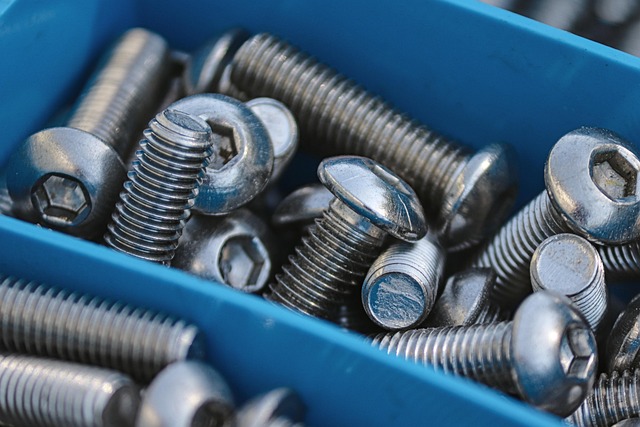
Defining Self Tapping Bolts
A self tapping bolt cuts or forms its own mating thread as it penetrates a metal substrate. Unlike standard machine screws that require pre‑threaded holes, these bolts remove the need for secondary machining steps. Self drilling bolts include a drill‑shaped tip that creates the pilot hole simultaneously, while thread forming types displace material rather than cutting it—ideal for thin sheet metals where maintaining structural integrity is essential. Common materials include carbon steel, stainless steel, or hardened alloy steel with protective coatings such as zinc plating or epoxy finishes to resist corrosion in harsh environments.
Mechanical Properties Relevant to Metal Fastening
The mechanical behavior of self tapping bolts for metal depends on tensile strength, shear resistance, and torque control. High tensile grades prevent elongation under axial load, while proper shear resistance ensures stability when lateral forces act on the joint. The hardness ratio between the bolt and substrate must be compatible; an overly hard fastener can strip threads in softer metals like aluminum. Thread geometry—pitch angle and flank engagement—affects how stress distributes along the joint line. Engineers often analyze this distribution using finite element models to predict fatigue life under cyclic loading.
Characteristics of 14 x 2-1/2 Stainless Hex Washer Head Screws
Among available self tapping options, the 14 × 2‑1/2 stainless hex washer head screw stands out for its dimensional precision and corrosion performance.
Dimensional and Geometric Specifications
The “14” refers to a nominal diameter of approximately 0.25 inch (6.3 mm), while “2‑1/2” denotes total length from tip to head. This size offers sufficient penetration depth for medium‑gauge structural steel or layered assemblies. The hex washer head design distributes clamping force evenly across a larger bearing surface, minimizing deformation around the hole edge. Its integrated washer also reduces the need for separate hardware during assembly. Thread pitch and drill point geometry determine penetration rate; sharper points cut faster through dense metals but may generate more burrs if torque is excessive.
Stainless Steel Composition and Performance Benefits
These screws are typically manufactured from AISI 304 or 316 stainless steel alloys. Both contain chromium (around 18%) that forms a passive oxide layer protecting against oxidation, while nickel content enhances toughness under temperature fluctuations. Grade 316 includes molybdenum for added pitting resistance in chloride environments such as coastal installations or chemical plants. As a result, these fasteners maintain structural integrity even after prolonged exposure to moisture or salt spray—making them suitable for outdoor frameworks or marine decks where carbon steel would corrode quickly.
Why Self Tapping Bolts Are Ideal for Metal-to-Metal Applications?
Metal assemblies demand consistent thread quality and minimal preparation time; self tapping designs meet both criteria effectively.
Efficiency in Installation and Assembly Processes
By integrating cutting tips or drill points, self tapping bolts eliminate pre‑drilling operations entirely. This simplifies workflow in production lines where hundreds of joints must be completed per hour. Reduced tool wear is another benefit since fewer bit changes are needed during repetitive fastening cycles. Manufacturers often report up to 30% shorter assembly times compared with traditional screw systems because alignment errors decrease when each fastener centers itself during insertion.
Enhanced Joint Integrity and Longevity
Once installed, tight thread engagement prevents loosening under vibration—a critical factor in HVAC housings or automotive panels subject to dynamic loads. The uniform contact between male and female threads improves load transfer efficiency while reducing micro‑movement that causes fretting corrosion over time. When paired with hex washer heads, sealing performance increases due to better surface compression around gaskets or coatings.
Engineering Considerations for Optimal Performance
Selecting proper design parameters ensures reliable outcomes across varying metal thicknesses and environmental conditions.
Selecting the Appropriate Drill Point Design
Different point styles serve specific applications: Type A suits thin sheets up to 0.05 inch thick; Type B handles thicker stock; Type AB combines sharpness with stability; self drilling tips incorporate flutes that remove chips efficiently through thicker gauges up to about 0.25 inch steel plate. Drill point geometry influences penetration rate—too shallow an angle slows entry while too steep may cause wandering or burr formation at exit points.
Torque Control and Fastening Precision
Proper torque prevents both under‑tightening (leading to joint loosening) and over‑tightening (which risks stripping threads). Engineers often specify torque ranges based on material yield strength; for instance, a 14‑gauge stainless screw might require between 60–80 in‑lb depending on lubrication conditions. Drive system efficiency—whether hex socket or external hex—affects how consistently this torque translates into preload force within the joint.
Surface Treatment and Corrosion Protection Options
Even though stainless alloys resist rusting naturally, additional treatments like passivation enhance their protective film by removing free iron contaminants from manufacturing processes per ASTM A967 standards. In mixed‑metal assemblies (e.g., stainless bolt into aluminum panel), isolating washers or nonconductive sealants prevent galvanic corrosion caused by electrochemical potential differences between dissimilar metals.
Application Scenarios for 14 x 2‑1/2 Stainless Hex Washer Head Self Tapping Bolts
This specific fastener size finds widespread use wherever high pullout strength meets environmental durability demands.
Structural Metal Fabrication Projects
In framing systems or sheet metal enclosures, these screws maintain precise alignment even when subjected to thermal expansion cycles or vibration from adjacent machinery. Their integrated washer heads hold panels flush without distortion—a key requirement in HVAC ducts where air leakage must stay below regulatory thresholds set by ASHRAE standards.
Industrial Equipment Assembly and Maintenance
Machine enclosures, electrical control boxes, or support brackets frequently rely on reusable threads created by self tapping bolts for metal substrates. Because thread deformation remains minimal after removal, technicians can reassemble components multiple times without replacing hardware—a practical advantage during maintenance shutdowns where downtime costs are significant.
Architectural and Outdoor Installations
For roofing panels or façade attachments exposed to rainwater runoff, stainless hex washer head screws provide both functional sealing and aesthetic appeal through their polished finish. The smooth surface resists staining from oxidation streaks common on coated carbon steel fasteners, maintaining visual consistency across architectural façades over decades of service life.
FAQ
Q1: What distinguishes self drilling screws from regular self tapping bolts?
A: Self drilling screws feature an integrated drill bit tip that bores its own pilot hole before threading begins, whereas standard self tapping bolts require an existing hole but still form threads independently.
Q2: Are 304 stainless screws suitable for marine environments?
A: They perform well in general outdoor settings but may show surface pitting in high chloride conditions; grade 316 is preferable near seawater due to its molybdenum addition.
Q3: How can over‑tightening be avoided during installation?
A: Use calibrated torque drivers set within manufacturer recommendations; exceeding specified limits can distort threads or fracture heads under load cycling.
Q4: Can these screws be used with galvanized steel panels?
A: Yes, though applying isolation washers helps prevent galvanic reaction between zinc coating and stainless alloy surfaces when moisture is present.
Q5: What maintenance practices extend fastener lifespan?
A: Periodic inspection for surface contamination followed by mild detergent cleaning preserves passive layers; avoid abrasive polishing that removes protective chromium oxide films.


