

Why the Auger Drill Bit Lost Its Dominance in Modern Woodworking
The Once-Popular Tool No One Uses Anymore
The auger drill bit once defined precision in woodworking, yet today it sits mostly in drawers or museums. Once essential for carpenters and joiners, this tool lost its dominance as power drills, new materials, and faster production methods reshaped the trade. Its decline reflects more than just changing technology—it marks a shift from craftsmanship to industrial efficiency. Still, the auger’s design principles continue to influence modern bit geometry and drilling mechanics.
The Historical Role of the Auger Drill Bit in Woodworking
Before electric drills transformed workshops, manual tools like the auger drill bit shaped how wood was bored and joined. Its mechanical simplicity belied a sophisticated design that made it indispensable for centuries.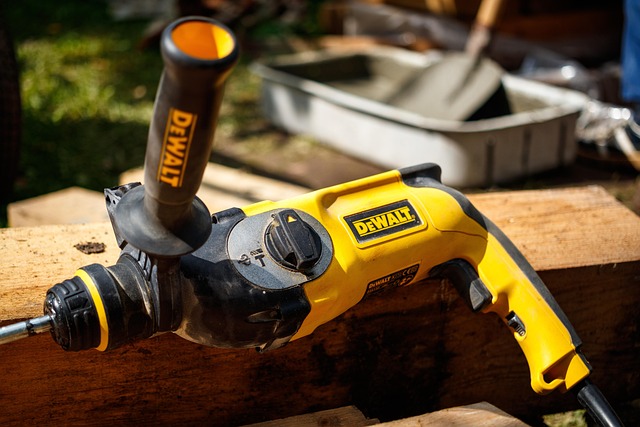
Origins and Early Development of the Auger Drill Bit
The auger drill bit was developed for hand drilling in timber when woodworking relied entirely on muscle power. Its spiral shape guided chips out of deep holes, preventing clogging and allowing smoother cuts. Craftsmen paired these bits with hand braces, achieving precise holes even in dense hardwoods. This combination represented the height of manual tool engineering during early carpentry eras.
The Auger Bit’s Dominance in Traditional Woodcraft
Throughout the 18th and 19th centuries, the auger drill bit became a workshop staple. Furniture makers used it to bore mortises; framers used it for pegged joints. Its deep-threaded screw point pulled the bit through wood with minimal downward force, offering control unmatched by flat bits of the time. For decades, brace-and-auger setups were standard equipment across Europe and North America.
Technological Shifts That Redefined Drilling Tools
As electricity entered workshops, drilling technology evolved rapidly. Manual torque gave way to motorized rotation, altering both tool design and user technique.
The Introduction of Electric Drills and Twist Bits
The arrival of electric drills reduced human effort dramatically. Twist bits—designed for high-speed spinning—quickly replaced augers that were optimized for slow turning by hand. Manufacturers favored twist bits because they could handle metals, plastics, and composites as well as wood. Their versatility aligned perfectly with industrial production lines that demanded speed over tactile control.
The Emergence of Spade Bits and Forstner Bits
Later innovations like spade bits offered faster boring in softwoods with simpler manufacturing requirements. Forstner bits improved surface finish by cutting clean-edged holes with flat bottoms—ideal for cabinetry or dowel joints. These newer designs gradually displaced augers not only in factories but also among hobbyists seeking quicker results with portable drills.
Material Science and Manufacturing Advancements
Advances in metallurgy and coatings further marginalized traditional carbon steel augers. As cutting speeds increased, so did demands on durability.
Evolution of Drill Bit Materials and Coatings
High-speed steel (HSS) revolutionized cutting tools by maintaining hardness under heat generated at high RPMs. Carbide-tipped bits extended lifespan even further when drilling abrasive composites or laminates. Titanium nitride coatings reduced friction and wear during continuous use—advantages carbon-steel augers could not match without frequent sharpening.
Precision Engineering and CNC Compatibility
Modern CNC routers require bits that maintain micrometer-level tolerances at thousands of revolutions per minute. Spiral upcut or downcut router bits now perform what augers once did manually but far faster and cleaner. Traditional augers lack the balance precision needed for automated feed systems where vibration or runout can ruin a workpiece.
Changes in Woodworking Practices and Applications
Woodworking itself has changed profoundly since the auger’s heyday. Engineered materials replaced solid timber; production moved from benches to assembly lines.
Shift Toward Engineered Woods and Composites
Plywood, MDF, and particleboard dominate modern furniture because they’re stable and cost-efficient. Yet these materials quickly dull carbon-steel edges due to resin binders and inconsistent density layers. Specialized carbide or diamond-coated bits became necessary for consistent performance—further sidelining the traditional auger drill bit from mainstream use.
Efficiency Demands in Commercial Workshops
Commercial workshops prioritize throughput over manual finesse. Multi-spindle machines bore dozens of holes simultaneously using standardized-length bits incompatible with brace-style augers. Replaceable-tip systems now reduce downtime between sharpening cycles—a practical necessity for high-volume production environments where every minute counts.
Contemporary Niche Uses of the Auger Drill Bit
Despite obsolescence in general woodworking, the auger drill bit hasn’t vanished entirely. Certain trades still rely on its unique capabilities where other designs fail.
Continued Relevance in Timber Framing and Utility Work
Large-diameter augers remain vital when boring through thick beams or utility poles where depth matters more than speed. Electric-powered versions handle structural timber framing or pole installations efficiently while clearing chips from deep holes—a task twist or spade bits struggle with at such lengths.
Collectors’ Interest and Hand Tool Revival Movements
Vintage tool collectors prize old auger sets for their forged craftsmanship and aesthetic appeal. In restoration workshops or historical carpentry schools, instructors sometimes reintroduce them to demonstrate pre-industrial techniques—a reminder that skill once substituted for horsepower.
Design Limitations That Led to Decline
The same mechanical traits that made augers effective by hand became liabilities once power tools dominated workshops.
Incompatibility with High-Speed Drilling Equipment
Augers rely on screw-point feed mechanisms that self-drive into wood at low torque levels; under high-speed rotation they can seize violently or snap shafts. Their coarse threads generate excessive friction when powered by lightweight cordless drills designed for smooth twist-bit operation.
Maintenance Challenges Compared to Modern Alternatives
Sharpening an auger requires careful filing along its flutes—a task few modern users master easily. Replacement parts like lead screws are rare since most manufacturers discontinued full-scale production decades ago. By contrast, modern HSS or carbide bits fit standardized sharpening jigs or come as disposable inserts requiring no manual skill to maintain.
The Legacy of the Auger Drill Bit in Tool Evolution
Though largely obsolete, the auger’s influence endures across modern drilling technologies—from geometry principles to ergonomic insights about torque control.
Influence on Modern Bit Geometry and Design Principles
Many current bit designs borrow from the auger’s helical flute concept for chip evacuation efficiency at depth. Feed-screw logic inspired self-feeding spade bits used today in construction-grade drilling tasks, while lessons about torque resistance informed safer clutch systems on handheld power drills.
Lessons from the Transition Away from Manual Tooling
The story of the auger drill bit illustrates how ergonomics, material science progress, and automation reshape even long-established crafts. It also shows how tradition yields to productivity pressures without erasing its educational value—a recurring pattern across many trades adapting to mechanization.
FAQ
Q1: Why did craftsmen originally prefer the auger drill bit?
A: It allowed precise manual drilling with efficient chip removal using only a hand brace, producing clean holes even in hardwoods.
Q2: What caused its decline?
A: Electric drills required faster-spinning bits; twist designs handled those speeds better than slow-turning augers built for torque rather than RPMs.
Q3: Are any industries still using them?
A: Yes, timber framers, linemen, and log builders still use large-diameter electric-powered versions for deep boring through heavy wood sections.
Q4: Can an old brace-and-auger set still be useful today?
A: Absolutely—collectors value them historically, while restoration carpenters appreciate their control when replicating period joinery techniques.
Q5: How did its design influence modern tools?
A: Modern spiral flutes trace back to its chip-clearing geometry; even self-feeding mechanisms on some spade bits evolved directly from classic auger screw points.


