
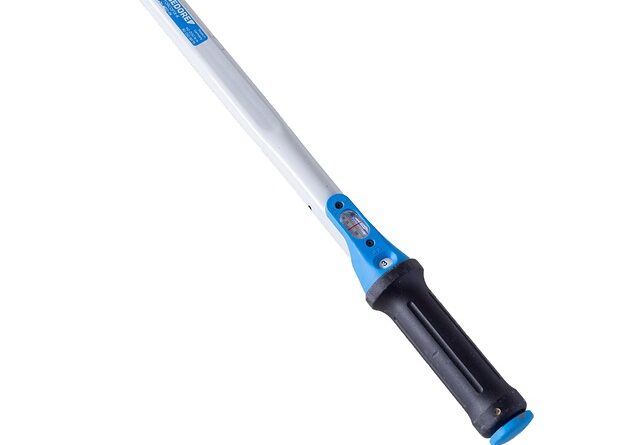
Is the New Milwaukee Inch Pound Torque Wrench Changing Precision Standards
Milwaukee Just Released Its First Click Torque Wrenches
Milwaukee’s entrance into the precision torque tool market signals a deliberate expansion beyond its traditional power tool segment. The newly launched inch pound torque wrench line demonstrates the brand’s commitment to measurement accuracy in professional applications such as HVAC, electronics, and light assembly. This release is not merely a product addition; it represents Milwaukee’s attempt to redefine expectations for calibration stability and ergonomic consistency in precision fastening. For professionals accustomed to brands like Snap-on or CDI, Milwaukee’s debut offers a fresh benchmark that blends mechanical reliability with potential digital integration.
The Emergence of Milwaukee’s Inch Pound Torque Wrench
Milwaukee’s introduction of its first click-style torque wrench marks a significant milestone in its product evolution. It reflects both market demand and the brand’s strategy to diversify into precision measurement tools.
Milwaukee’s Entry into Precision Torque Tools
The company’s release marks its first venture into click-style torque wrenches, expanding from power-driven tools to precision-controlled instruments. This move responds to growing industry emphasis on repeatable accuracy, particularly in sectors where improper torque can compromise safety or performance. By targeting inch pound measurements, Milwaukee positions itself within a specialized but essential category of low-torque work.
Defining the Inch Pound Torque Wrench Segment
An inch pound torque wrench is designed for tasks that demand precise force application on smaller fasteners—common in electronics assembly, HVAC systems, and instrument repair. Unlike foot-pound wrenches used for automotive or industrial tightening, these tools focus on lower torque ranges measured in inch pounds. Their calibration standards differ accordingly, requiring finer adjustment mechanisms and tighter tolerances to maintain accuracy over repeated cycles.
Engineering and Design Innovations in the Milwaukee Model
Milwaukee’s model introduces several mechanical refinements aimed at enhancing durability and user control. The design philosophy centers on reliability under repetitive use while maintaining calibration integrity across time and environmental variation.
Mechanical Design and Build Quality
The wrench incorporates a robust ratcheting mechanism engineered for consistent torque delivery across its range. Its internal components are machined with close tolerances to minimize flex during operation. Material selection emphasizes rigidity without excessive weight, balancing user comfort with long-term endurance. The ergonomic handle provides tactile feedback that helps technicians detect the “click” point precisely even under gloved conditions.
Calibration Accuracy and Adjustment Mechanisms
Each unit leaves the factory calibrated within industry-standard tolerances for inch pound measurement tools, typically ±4% clockwise accuracy as recognized by ISO 6789 specifications. Fine adjustment mechanisms allow users to dial specific values easily without overshooting target settings. Visibility enhancements such as etched scales or contrast markings improve readability under workshop lighting, reducing human error during setup.
Comparing Precision Standards Across Brands
Benchmarking against established competitors helps clarify where Milwaukee stands in this precision segment. While legacy brands emphasize broad range capability, Milwaukee focuses more on repeatability and digital compatibility.
Benchmarking Against Established Competitors
When compared with Snap-on, CDI, or Tekton models, Milwaukee’s version prioritizes consistency of calibration rather than maximum torque capacity. Professionals often value repeatability over sheer range because consistent readings across multiple uses reduce rework costs. The inclusion of optional digital verification features positions it well among technicians who must document applied torque values for compliance audits.
Evaluating Tolerance Drift Over Time
Torque wrenches inevitably experience tolerance drift due to spring fatigue or environmental exposure such as temperature swings or moisture ingress. Long-term stability determines how frequently recalibration is needed—a cost factor for service teams managing large tool inventories. Milwaukee employs sealing techniques around internal components and damping materials that mitigate vibration-induced wear, potentially extending calibration intervals compared with open-spring competitors.
Integration with Professional Workflows and Digital Ecosystems
Beyond standalone performance, modern professionals expect their tools to integrate smoothly into larger systems of storage, data management, and maintenance tracking.
Compatibility with Existing Tool Systems
Milwaukee designed its inch pound torque wrench to fit seamlessly into its PACKOUT modular storage system and M12-powered ecosystem. This compatibility supports standardized transport setups used by contractors who already rely on Milwaukee platforms. Such integration reduces downtime by keeping all critical tools organized within one unified structure.
Data Logging and Calibration Management Potential
While current versions remain mechanically focused, future iterations could incorporate Bluetooth connectivity or embedded sensors for real-time data capture. Linking torque readings directly into maintenance logs would simplify traceability under ISO 9001 quality frameworks or NIST calibration verification programs. In regulated industries such as aerospace assembly or medical device manufacturing, these digital records could serve as proof of compliance during audits.
Implications for Industry Precision Standards
A major brand entering this niche can influence broader expectations around calibration reliability and tactile consistency across professional sectors.
Influence on Calibration Practices Across Sectors
The arrival of a new precision tool from a high-profile manufacturer may prompt service organizations to reassess their calibration intervals and documentation practices. As more technicians adopt verified instruments like this inch pound torque wrench, regular recalibration may shift from optional best practice to operational necessity across industries including HVAC maintenance and electronics production.
Redefining User Expectations in Precision Tooling
Professionals increasingly evaluate not only numerical accuracy but also ergonomic feel—the smoothness of rotation before the click point matters during repetitive use. The tactile feedback becomes part of perceived quality among premium models. If Milwaukee maintains uniform “click” sensation across batches, it could set a new informal standard for what technicians expect from midrange professional-grade wrenches.
Future Outlook for Torque Measurement Technology
As sensor technology advances and digital ecosystems mature, mechanical wrenches are likely to evolve toward hybrid designs offering both tactile assurance and electronic traceability.
Anticipated Developments in Smart Torque Tools
Next-generation tools may combine traditional click mechanisms with integrated sensors that log applied force curves during each fastening event. These smart systems could alert users when deviations occur outside acceptable limits or when recalibration is due based on predictive algorithms analyzing usage frequency and load cycles.
Role of Milwaukee in Shaping Next-generation Standards
Given its engineering resources and established industrial partnerships, Milwaukee could play an active role in shaping future ISO revisions related to handheld torque devices. Collaborative research with metrology institutions might focus on defining acceptable drift rates or standardizing electronic verification protocols across brands—an effort that would benefit manufacturers seeking interoperability between mechanical and digital measurement systems worldwide.
FAQ
Q1: What distinguishes an inch pound torque wrench from a foot-pound model?
A: An inch pound wrench measures smaller forces suitable for delicate assemblies like electronics or HVAC units, while foot-pound models handle higher loads typical in automotive work.
Q2: How often should a Milwaukee inch pound torque wrench be recalibrated?
A: Most professionals recalibrate annually or after 5,000 cycles; however, actual intervals depend on usage intensity and storage conditions.
Q3: Does Milwaukee offer digital versions of its click torque wrenches?
A: Current models are mechanical click types; future versions may include digital verification features compatible with mobile data systems.
Q4: Can this wrench integrate with other Milwaukee tool storage solutions?
A: Yes, it fits within PACKOUT modules for consistent organization alongside other M12 ecosystem tools used by field technicians.
Q5: Why is repeatability more important than maximum range?
A: Consistent readings reduce rework risk; even if range is narrower, stable calibration ensures every fastener receives identical clamping force across jobs.


