
How Does a Concrete Drill Bit Improve 8 Ways to Attach Things to Cinder Block Walls
8 Ways to Attach Things to Cinder Block Walls
Cinder block walls can be challenging surfaces for mounting fixtures, but the right concrete drill bit and anchor method make the process precise and durable. Professionals know that success depends on understanding block density, choosing the correct drilling tools, and matching anchors to load requirements. The eight methods below represent proven strategies used in masonry construction to achieve secure, long-lasting attachments without compromising wall integrity.
Understanding the Role of a Concrete Drill Bit in Cinder Block Applications
Drilling into cinder block requires more than brute force. It demands tool precision, correct bit geometry, and awareness of how material composition affects performance. A concrete drill bit is designed specifically for these conditions, making it indispensable for professional masonry work.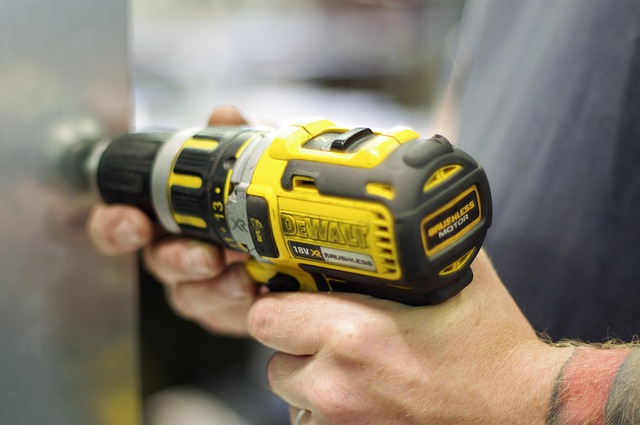
Characteristics of Cinder Block Material
Cinder blocks combine cement, aggregates, and air pockets that form a semi-porous structure. This porosity allows some flexibility but also creates weak points if drilling is done incorrectly. Their internal cavities vary by manufacturer, influencing how fasteners grip once installed. Denser blocks hold expansion anchors better, while hollow ones favor toggle or chemical systems.
Why Concrete Drill Bits Are Essential for Masonry Work
A concrete drill bit typically features a tungsten carbide tip engineered to cut through dense masonry without dulling quickly. Its spiral flutes serve a critical function—channeling dust and debris out of the hole during drilling. This reduces friction and prevents overheating. The robust design also minimizes vibration transfer, lowering the risk of microcracks forming around the drilled area.
Precision Drilling for Secure Fastening
Precision determines whether an anchor performs as expected or fails under load. The geometry of a concrete drill bit, combined with proper speed control, ensures holes meet both dimensional and structural requirements.
How Bit Geometry Affects Hole Accuracy
The tip angle on a masonry bit governs its entry behavior into hard surfaces. A sharper point increases accuracy at the start of drilling and reduces surface chipping. Maintaining perpendicular alignment throughout ensures consistent depth—a critical factor for anchors like wedge or sleeve types that depend on full embedment. Uniform hole diameter directly impacts fastener stability under tension or shear forces.
Choosing the Right Drill Speed and Pressure
High-speed settings may seem efficient but often lead to overheating that weakens carbide tips and scorches block surfaces. Experienced contractors use moderate speed with steady pressure to maintain control. Hammer-drill modes are preferred because they combine rotation with impact energy, breaking aggregate bonds efficiently without fracturing surrounding material.
Enhancing Anchor Performance with Proper Hole Preparation
Even the best anchor will fail if installed in a poorly prepared hole. Dust accumulation or uneven walls reduce frictional contact between anchor and substrate, compromising load capacity.
Cleaning and Conditioning the Drilled Hole
After drilling, fine dust settles along the bore’s interior surface. Removing it with compressed air or vacuum extraction improves adhesion when using chemical anchors like epoxy systems. For mechanical fasteners such as sleeve or wedge anchors, ensuring a dry hole prevents slippage during torque application.
Matching Anchor Type to Drilled Hole Quality
Different anchors respond uniquely to hole tolerances. Sleeve anchors need close-fitting bores to maintain radial expansion pressure. Wedge anchors rely on tight clearances for proper expansion control within solid sections of block. Adhesive anchors demand smooth internal surfaces so resin bonds uniformly around threaded rods.
Eight Methods of Attaching Items to Cinder Block Walls Using a Concrete Drill Bit
Each anchoring technique serves distinct load requirements and installation scenarios. Selecting among them depends on wall type—solid or hollow—and expected stress conditions.
1. Using Sleeve Anchors for Medium Loads
Drill holes matching anchor diameter using a concrete drill bit set to hammer mode for clean edges. Insert sleeves flush with the surface before tightening bolts gradually to avoid over-expansion. This method suits shelving brackets, conduit clamps, or lighting fixtures where medium holding power suffices.
2. Installing Wedge Anchors for Heavy Loads
For structural attachments such as support frames or heavy machinery mounts, precise hole sizing equals reliability. The drilled diameter must match anchor size exactly so that tightening expands wedges uniformly inside dense block sections, delivering high pull-out resistance.
3. Applying Tapcon Screws (Concrete Screws) Directly into Block Surface
Tapcon screws eliminate separate anchors by cutting threads directly into masonry material. Use a slightly smaller pilot hole drilled with a carbide-tipped bit for optimal bite strength. They’re ideal for lighter installations like electrical boxes or signage plates where speed matters more than maximum load capacity.
4. Embedding Plastic Wall Plugs with Screws
Plastic plugs expand when screws are driven in, gripping surrounding material tightly. For best results, select a drill bit marginally smaller than plug size so insertion feels snug but not forced. These are common in indoor applications such as hanging hooks or holders where loads remain minimal.
5. Utilizing Epoxy or Chemical Anchors for High-Stress Applications
Chemical anchoring excels under dynamic loads or overhead conditions where mechanical expansion could crack brittle surfaces. Thoroughly clean drilled holes before injecting epoxy resin; insert threaded rods while adhesive remains workable so bonding occurs along full depth.
6. Mounting with Toggle Bolts in Hollow Sections of Cinder Blocks
Hollow cells require different tactics since solid anchoring points are absent behind thin webs of concrete. Drill through cavities using bits sized according to toggle wing span specifications; once inserted, toggles open behind the wall cavity distributing weight evenly across internal surfaces—ideal for medium-weight fixtures like cabinets.
7. Securing Furring Strips or Framing Channels
When preparing walls for drywall systems, pre-drill through wooden furring strips into block using depth stops on your concrete drill bit to maintain uniformity across multiple holes. Depending on expected load distribution, choose either masonry screws or sleeve anchors to secure framing channels firmly in place.
8. Employing Hammer Drive Anchors for Quick Attachments
For temporary installations such as conduit straps or utility clips, hammer drive anchors offer simplicity and speed. Drill pilot holes slightly deeper than anchor length; then drive pins flush using light hammer taps until seated securely against surface level.
Optimizing Tool Selection and Maintenance Practices
Proper tool care extends lifespan while maintaining consistent drilling performance across repeated projects involving cinder block materials.
Selecting Quality Concrete Drill Bits
High-grade tungsten carbide-tipped bits retain sharpness even after multiple penetrations through dense aggregates found in concrete blocks. Spiral flute patterns promote efficient dust evacuation during deep drilling tasks while surface coatings reduce friction heat buildup—critical during long sessions on site.
Maintenance Techniques to Extend Bit Life
Inspect bits regularly for wear marks or chipped tips before each use; replace immediately if defects appear since damaged bits wander off-center easily causing oversized holes. Allow cooling intervals between successive holes especially when working under continuous hammer action; store bits dry inside protective cases away from moisture exposure that could induce corrosion.
Safety Considerations During Drilling Operations
Safety remains central in all masonry tasks given risks posed by airborne dust particles and vibration exposure from rotary hammers operating at high impact frequencies.
Managing Dust and Vibration Exposure
Use dust extraction attachments compatible with modern rotary hammers connected to HEPA-rated vacuums meeting ISO air quality standards (ISO 29463). Anti-vibration gloves lessen hand fatigue during prolonged drilling sequences while protective eyewear shields operators from flying debris fragments dislodged during percussion cycles.
Preventing Structural Damage While Drilling
Avoid targeting mortar joints since these softer zones compromise wall stability once penetrated repeatedly along vertical seams. Employ reinforcement detection scanners compliant with IEC safety guidelines before starting penetration near embedded steel bars; maintain steady feed rate throughout operation preventing spalling around entry edges of drilled openings.
Integrating Professional Techniques for Long-Term Durability
Long-term attachment reliability depends not only on initial installation precision but also on how loads distribute across connection points over time under cyclic stresses such as vibration or thermal movement within building envelopes.
Ensuring Consistent Load Distribution
Spacing attachment points evenly across panel widths reduces localized stress concentrations that could propagate cracks through brittle sections over years of service life testing per ASTM C90 block standards used widely across North America construction markets today.
Combining Mechanical and Adhesive Systems When Needed
Hybrid fastening techniques merge benefits from both mechanical expansion devices and chemical bonding agents especially useful when working across mixed solid–hollow wall compositions typical in older structures undergoing retrofit upgrades requiring seismic reinforcement compliance under current building codes.
FAQ
Q1: What type of drill should be used with a concrete drill bit?
A: A rotary hammer drill provides both rotation and impact energy needed for penetrating cinder blocks efficiently without excessive wear on the bit tip.
Q2: How deep should holes be drilled into cinder blocks?
A: Holes should generally exceed anchor length by about 6–12 mm to allow clearance for dust accumulation at bottom ends ensuring full seating during installation torque application.
Q3: Can standard steel bits replace concrete-specific ones?
A: No; steel bits lack carbide tips necessary for cutting through aggregates found in masonry leading quickly to dull edges and inefficient progress through hard materials.
Q4: What causes cracking around drilled holes?
A: Excessive pressure combined with high-speed settings generates heat stress within porous block structures resulting in microfractures radiating outward from entry points over time weakening overall integrity near attachments zones.
Q5: How often should concrete drill bits be replaced?
A: Replacement frequency depends on usage intensity though professionals typically retire bits after visible wear appears along cutting edges or when drilling speed declines noticeably despite proper maintenance routines.


