
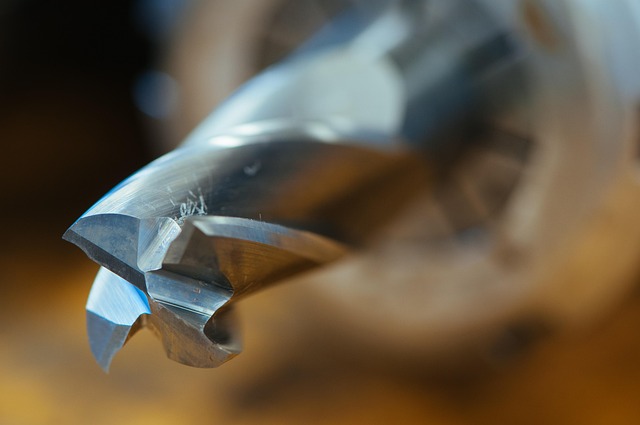
Are Drill Bits for Steel Redefining U.S. Manufacturing Amid Tungsten Price Surge
U.S. Drill Bit Makers Ramp Up Shift to Steel as Tungsten Prices Surge
The U.S. drill bit industry is undergoing a decisive material transition. With tungsten prices soaring and global supply chains tightening, manufacturers are pivoting toward steel-based alternatives to maintain cost stability and production reliability. This shift not only addresses economic pressures but also aligns with the country’s broader industrial strategy to localize sourcing and reduce dependence on volatile foreign materials. Advanced steel alloys, enhanced by modern coating and heat treatment technologies, are now redefining performance standards once dominated by tungsten carbide.
Shifting Dynamics in U.S. Manufacturing Materials
The material landscape in American manufacturing is being reshaped by resource scarcity and cost pressures. Tungsten, once the cornerstone of high-performance tooling, has become a symbol of vulnerability in global supply networks.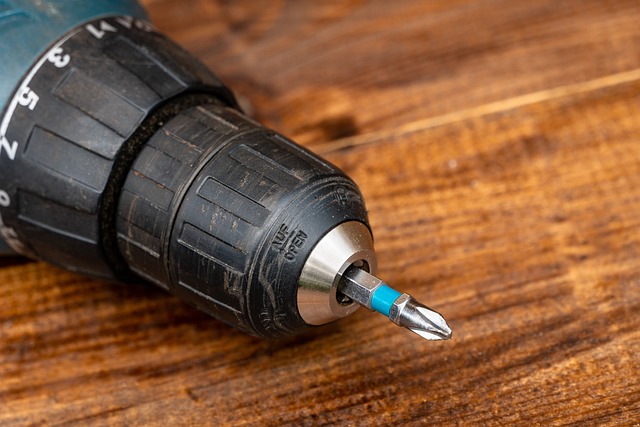
The Rising Cost of Tungsten and Its Industrial Impact
Global tungsten supply constraints have intensified due to geopolitical tensions and declining mining output in major producing nations such as China and Russia. These disruptions have triggered sharp price fluctuations that complicate procurement planning for manufacturers dependent on tungsten carbide tools. In response, U.S. toolmakers are re-evaluating their reliance on imported raw materials, seeking more predictable alternatives that can stabilize production costs without compromising quality or durability.
Strategic Transition Toward Steel-Based Alternatives
Manufacturers are increasingly adopting high-speed steel (HSS) and cobalt alloys as viable substitutes for tungsten carbide. Advances in metallurgy have greatly improved these steels’ hardness, wear resistance, and thermal stability—qualities essential for industrial drilling applications. The move toward domestically sourced steel reflects a strategic effort to enhance resilience within the manufacturing ecosystem while supporting local industries through reduced import dependency.
Technological Advancements in Steel Drill Bit Engineering
As the industry transitions from tungsten carbide to steel-based materials, innovation in drill bit design has accelerated. Modern engineering techniques now allow steel bits to achieve performance levels once considered exclusive to carbide tools.
Innovations Enhancing Steel Drill Bit Performance
Coating technologies such as titanium nitride (TiN), titanium aluminum nitride (TiAlN), and black oxide have extended tool life by reducing friction and improving corrosion resistance. Precision forging combined with CNC machining ensures tight dimensional tolerances, resulting in cleaner cuts and improved drilling accuracy across metals and composites alike. Enhanced heat treatment processes further strengthen microstructures within HSS bits, enabling them to withstand continuous high-speed operations without significant wear degradation.
Comparative Analysis: Steel vs. Tungsten Carbide Drill Bits
Steel drill bits offer superior flexibility and toughness compared with their tungsten carbide counterparts, making them ideal for general-purpose machining where impact resistance matters more than extreme hardness. Tungsten carbide remains unmatched for ultra-hard materials but suffers from brittleness under shock loads—an issue that frequently leads to premature tool failure. The optimal choice between these materials depends on balancing performance requirements against cost efficiency and expected service life.
Economic Implications for U.S. Manufacturing Competitiveness
The transition toward steel-based tooling carries wide-reaching economic consequences for American manufacturers seeking greater competitiveness amid global uncertainty.
Cost Efficiency and Supply Chain Resilience
By shifting away from tungsten, manufacturers mitigate exposure to volatile commodity markets while gaining access to more stable domestic supply chains. Sourcing steel locally reduces lead times, transportation costs, and import tariffs that often accompany critical minerals like tungsten. Long-term cost modeling suggests that for medium-duty applications—such as automotive components or structural fabrication—steel-based drill bits offer a more sustainable balance between performance consistency and operating expense.
Influence on Tooling Ecosystem and Market Structure
Small and mid-sized enterprises benefit most from this transition because lower input costs allow them to compete more effectively with larger players who previously dominated through scale economies in carbide tooling procurement. Tool distributors are expanding product lines to include advanced HSS options tailored for specific industrial uses such as stainless steel or cast iron drilling. Meanwhile, increased investment in R&D across both private firms and public institutions is accelerating innovation cycles within the domestic tooling sector.
Environmental and Sustainability Considerations in Material Selection
Beyond economics, sustainability has emerged as a central factor influencing material decisions across manufacturing sectors.
Reducing the Carbon Footprint Through Material Substitution
Steel production generally yields lower lifecycle emissions compared with tungsten extraction, which involves energy-intensive refining processes often concentrated in regions with less stringent environmental controls. Recycling programs for high-speed steel contribute further to circular economy models by reclaiming valuable alloying elements like molybdenum and vanadium from used tools. These efforts align closely with evolving ESG frameworks adopted by major industrial buyers seeking greener supply chains.
Balancing Performance, Cost, and Environmental Goals
Manufacturers face complex trade-offs between maximizing operational efficiency and minimizing environmental impact. Lifecycle assessments increasingly guide material selection decisions by quantifying carbon intensity alongside durability metrics such as wear rate or cutting speed retention. Collaboration among metallurgists, process engineers, and policy experts supports development pathways that reconcile technical performance demands with sustainability commitments under tightening regulatory standards.
Future Outlook for Drill Bits in Advanced Manufacturing Applications
The next generation of drill bits for steel will not only rely on better materials but also integrate digital intelligence into machining environments driven by data analytics.
Integration with Smart Manufacturing Systems
In smart factories equipped with sensors and connected machinery, data-driven monitoring systems track tool wear in real time to schedule predictive maintenance before failure occurs. AI-enabled machining platforms dynamically adjust spindle speeds or feed rates based on live feedback from embedded sensors within cutting tools. Digital twin simulations replicate drilling operations virtually under varying conditions—material hardness, temperature gradients—to refine process parameters before actual production runs begin.
Emerging Research Directions in Steel Tool Development
Research laboratories are experimenting with nanostructured coatings that further reduce friction while extending surface durability beyond current TiN capabilities. Hybrid composite steels combining different microalloyed phases may deliver the elusive combination of toughness and hardness needed for next-generation machining tasks such as aerospace-grade titanium drilling or additive manufacturing post-processing. Cross-sector collaboration involving universities, government research agencies, and private industry continues to strengthen innovation resilience amid ongoing raw material market volatility.
FAQ
Q1: Why are U.S. manufacturers moving away from tungsten?
A: Rising prices caused by geopolitical constraints have made tungsten less economically viable; domestic steel offers a stable alternative with improving technical properties.
Q2: Are steel drill bits suitable for all industrial applications?
A: Not entirely; while HSS performs well for general-purpose tasks, extreme hardness applications like hardened tool steels still favor tungsten carbide bits.
Q3: How do coatings improve drill bit performance?
A: Coatings such as TiN reduce frictional heat buildup during drilling, extending tool life while maintaining sharper edges over longer cycles.
Q4: Does switching to steel reduce environmental impact?
A: Yes; steel’s recyclability and lower energy intensity compared with tungsten extraction support reduced carbon footprints across manufacturing operations.
Q5: What role does digital technology play in future drill bit development?
A: Smart sensors combined with AI analytics enable predictive maintenance systems that optimize cutting conditions dynamically during production runs.


