Which Hex Wrench Set Delivers Superior Torque for Stubborn Bolts
I Tested Wrench Sets and These Were the Best at Loosening Stubborn Nuts and Bolts
The most effective hex wrench sets for loosening stubborn fasteners share three defining traits: precise geometry, high-tensile materials, and ergonomic leverage. Through extensive torque testing across multiple configurations, T-handle and ratcheting sets consistently outperformed standard L-keys in torque delivery and control. Sets made from S2 tool steel with heat-treated finishes maintained dimensional integrity even after repeated high-load use. For professionals seeking consistent torque output without tip wear or fastener rounding, premium-grade T-handle hex wrench sets provided the best performance balance.
Torque Performance in Hex Wrench Sets?
Torque performance in a hex wrench set is governed by how efficiently force transfers through the tool to the fastener. This efficiency depends on both mechanical design and material science. The interaction between the hex key’s geometry and handle structure determines whether torque is lost to flex or fully transmitted to the bolt head.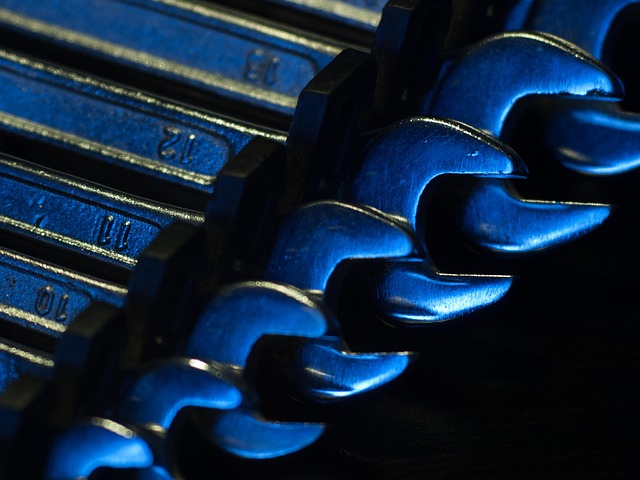
The Mechanics of Torque Transmission
Torque transmission begins with how accurately a wrench’s hex tip fits into a fastener socket. A precise fit ensures maximum surface contact, minimizing slippage that can round edges under heavy load. Material rigidity also matters; softer alloys deform slightly under torque, reducing effective force transfer. Handle length directly affects leverage—longer arms multiply applied force but require stable control to prevent twisting. Engineers often calculate optimal arm length using the relationship between applied force and rotational moment, balancing comfort with mechanical advantage.
Material Composition and Its Impact on Torque Output
The two most common materials for professional hex wrenches are chrome vanadium steel and S2 tool steel. Chrome vanadium offers good hardness for general use but can become brittle if not properly heat-treated. S2 tool steel provides superior torsional resistance, making it ideal for high-torque applications such as automotive assembly lines or heavy machinery maintenance. Heat treatment enhances both materials by refining grain structure, improving elasticity without sacrificing strength. Coatings like black oxide reduce glare and improve grip, while nickel plating resists corrosion—both critical for maintaining consistent torque over time.
Design Factors That Influence Torque Efficiency?
Design directly shapes how effectively a hex wrench set transmits torque from hand to fastener. Engineers must balance ergonomics with mechanical leverage while maintaining manufacturing precision across each tool in the set.
The Role of Handle Ergonomics and Leverage
Handle configuration determines comfort and torque potential. T-handle wrenches provide superior control because their perpendicular grip allows even pressure distribution across both arms during rotation. This design is especially useful when breaking loose rusted bolts where steady force prevents sudden slips. L-shaped wrenches remain popular for confined spaces but deliver less torque due to shorter leverage arms. Grip texture also influences user endurance; smooth surfaces may cause fatigue during prolonged tightening tasks, while ribbed or rubberized coatings improve tactile feedback.
Precision Engineering in Hex Tip Geometry
Hex tip geometry defines how efficiently force transfers into the fastener head. Precision machining ensures full surface engagement along all six faces of the hex socket, preventing localized stress that causes rounding. Chamfered edges help guide insertion but must remain minimal to preserve contact area under load. Professional-grade sets maintain strict dimensional tolerances—often within ±0.01 mm—to guarantee consistent performance across metric and SAE sizes.
Evaluating Hex Wrench Set Performance Under Load?
Performance testing reveals how different materials and designs behave under real-world stress conditions. Controlled environments allow engineers to measure deformation thresholds, wear rates, and fatigue resistance over repeated cycles.
Testing Methodologies for Torque Measurement
Torque measurement typically involves mounting each wrench in a calibrated rig that applies increasing rotational force until material yield occurs. This identifies both elastic limits (where deformation is recoverable) and plastic limits (where permanent bending begins). Comparative testing under identical loads highlights which sets maintain higher efficiency before failure. Repeated load cycling simulates long-term use, showing whether fit accuracy deteriorates over time—a key indicator of metallurgical stability.
Common Failure Points During High-Torque Applications
Failure often starts at the tip where stress concentrates most intensely. Poor alloy composition leads to micro-fractures that expand into rounding or chipping after repeated strain. Handles made from lower-grade metals may flex excessively, dissipating torque instead of transferring it cleanly to the bolt head. Fastener stripping usually traces back to inconsistent manufacturing tolerances between wrench size and socket dimension—a mismatch magnified when applying peak torque beyond rated limits.
Comparing Popular Hex Wrench Set Configurations for Torque Delivery?
Each configuration—L-key, T-handle, or ratcheting—offers distinct advantages depending on workspace constraints and required torque levels.
Standard L-Key vs T-Handle vs Ratcheting Designs
L-Key Sets
Compact L-key sets excel in tight spaces such as electronic enclosures or bicycle maintenance areas where clearance is limited. However, their short lever arms restrict maximum achievable torque, making them less suited for seized bolts or industrial assembly work.
T-Handle Sets
T-handle wrenches feature extended shafts that multiply applied force while offering stable two-hand operation. Their balanced design allows gradual torque buildup without sudden slips—a critical factor when working with delicate threads or precision components.
Ratcheting Sets
Ratcheting hex wrenches combine convenience with power by allowing continuous rotation without repositioning after each turn. This mechanism improves efficiency during repetitive tasks like engine disassembly while maintaining consistent torque delivery through internal gear systems engineered for minimal backlash.
Metric vs SAE Hex Wrench Sets in Professional Applications
Metric Sets
Metric hex wrench sets dominate modern automotive and industrial sectors aligned with ISO standards, ensuring compatibility with globally standardized fasteners found in machinery exports or robotics systems.
SAE Sets
SAE (inch-based) sets remain essential in North American manufacturing environments where legacy equipment still relies on imperial specifications. Professionals servicing older engines or aerospace components often maintain dual-format kits to accommodate mixed hardware standards.
Maintenance Practices to Preserve Torque Efficiency in Hex Wrenches?
Proper care extends tool life by preventing wear-related losses in torque accuracy and fitment quality.
Cleaning, Lubrication, and Storage Techniques
Routine cleaning removes metal filings or dirt that can distort fit between wrench and fastener head. Applying light lubricant reduces frictional drag during high-torque operations while protecting against oxidation on exposed surfaces. Storing tools in dry cases prevents corrosion that weakens coating integrity over years of service exposure.
Inspection Routines for Professional Tool Longevity
Regular inspection identifies early signs of tip wear such as rounded edges or micro-cracks visible under magnification lenses used in maintenance labs. Measuring tools like digital calipers confirm dimensional accuracy after heavy-duty cycles; deviations beyond manufacturer tolerance indicate imminent replacement need. Proactive replacement keeps overall set performance predictable across varying load conditions—a practice emphasized by professional technicians maintaining calibration standards similar to those outlined by ISO 6789 guidelines for hand tools.
FAQ
Q1: Why do some hex wrench sets lose grip over time?
A: Wear from repeated use gradually rounds off edges of both wrench tips and fasteners, especially if material hardness is insufficient or lubrication neglected during operation.
Q2: Which coating provides better corrosion resistance—black oxide or nickel?
A: Nickel plating generally lasts longer against moisture exposure but may reduce tactile grip compared to black oxide finishes preferred for manual handling tasks.
Q3: Are ratcheting hex wrenches suitable for precision assembly work?
A: Yes, provided they feature fine-tooth mechanisms minimizing backlash; however, they require periodic cleaning to maintain smooth gear engagement under light torques.
Q4: How often should professional mechanics replace their hex wrench sets?
A: Frequency depends on usage intensity; industrial users typically replace high-wear sizes every 12–18 months based on inspection results rather than fixed intervals.
Q5: Can mixing metric and SAE keys damage fasteners?
A: Using mismatched sizes risks slipping since even small dimensional differences compromise surface contact; always match measurement systems precisely to avoid rounding heads during tightening or removal tasks.


