
Can a Battery Operated Drill Power a Modified Power Wheels Car Efficiently
Here’s How To Convert A Power Wheels Car To Use A Drill Battery
Converting a Power Wheels car to run on a battery operated drill pack is technically possible and can deliver improved performance if done with precision. The process demands careful matching of voltage, current capacity, and safety measures. Most Power Wheels vehicles operate at 12V or 6V, while drill batteries often supply 18V or 20V, which can increase speed but also stress the motor and wiring. The key is designing proper adapters, using fuses, and ensuring stable current delivery. Done correctly, this conversion can extend runtime and power output without compromising safety.
Evaluating The Feasibility Of Using A Battery Operated Drill To Power A Modified Power Wheels Car
Before modifying any ride-on vehicle, it’s essential to evaluate whether the electrical and mechanical systems can handle the new power source. This includes analyzing both the load requirements of the Power Wheels system and the characteristics of drill batteries.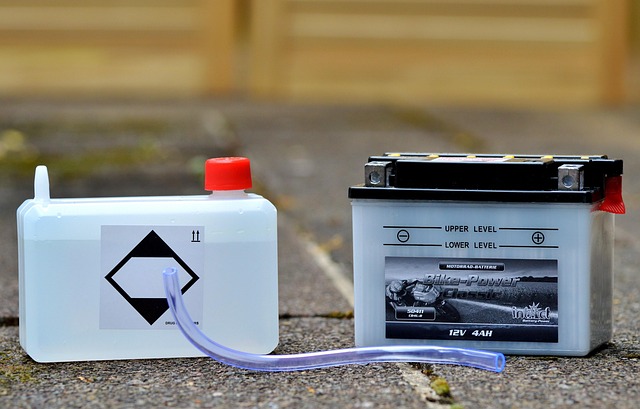
Typical Voltage And Current Demands Of Stock Power Wheels Motors
Most factory Power Wheels models use brushed DC motors rated for 6V or 12V. These motors typically draw between 10A and 30A under load, with short bursts up to 50A during acceleration or hill climbs. Such high current draw means the battery must sustain both continuous and peak loads without voltage sag. Factory lead-acid batteries are designed for these conditions but have limited discharge rates.
Differences Between Factory Lead-Acid Batteries And Lithium-Ion Drill Batteries
Lead-acid batteries deliver steady voltage but are heavy and slow to recharge. In contrast, lithium-ion drill batteries provide higher energy density and faster charge cycles. However, their internal Battery Management System (BMS) may limit discharge current to protect cells from overheating or over-discharge. This limitation can cause sudden shutdowns if the Power Wheels draws more current than the BMS allows.
Assessing Continuous Vs. Peak Current Draw During Operation
Continuous draw represents normal cruising load, while peak draw occurs during acceleration or uphill driving. A typical child riding on grass may push motors near their maximum current for several seconds. Drill batteries designed for intermittent tool use might struggle to sustain this demand continuously without triggering protection circuits.
Analyzing The Output Characteristics Of Drill Batteries
Matching a drill battery’s electrical profile with a Power Wheels’ needs requires understanding how these packs behave under sustained load conditions.
Voltage Ratings And Discharge Capacities Of Common Drill Battery Packs (e.g., 12V, 18V, 20V)
Drill batteries come in various nominal voltages—12V packs are closest to stock systems, while 18V or 20V packs provide noticeable speed increases. A typical 18V pack rated at 2Ah offers about 36Wh of energy; higher-capacity versions (5Ah) extend runtime significantly but still may not match large lead-acid capacities used in some vehicles.
Battery Management Systems (BMS) And Their Effect On Sustained Power Delivery
Each lithium-ion pack includes a BMS that monitors temperature, voltage balance, and current flow. While essential for safety, it can restrict continuous discharge below what the motors demand. For instance, if a BMS limits output to 25A but the car draws 35A during acceleration, power will cut off abruptly until conditions stabilize.
Compatibility Concerns With High-Load Applications Like Ride-On Vehicles
Ride-on cars impose dynamic loads unlike handheld drills that operate intermittently. Continuous torque demand may exceed what small-format lithium cells were designed for. Without proper cooling or current limiting circuits, repeated overloads could shorten battery life or trigger thermal protection mid-ride.
Engineering Considerations For Conversion
Transitioning from evaluation to practical design involves building safe electrical interfaces and ensuring mechanical compatibility between components.
Electrical Interface And Connection Design
Adapters must securely connect the drill battery terminals to the vehicle’s wiring harness without causing resistance buildup or arcing. Using high-quality connectors such as Anderson plugs improves reliability. Proper polarity alignment is critical; reversing connections could instantly damage electronic components. Adding an inline fuse rated slightly above expected peak current protects against shorts or stalled motor overloads.
Managing Polarity, Fuse Protection, And Wire Gauge Requirements
Wire gauge should match expected amperage: typically AWG12 for moderate currents up to 30A and AWG10 for higher loads. Undersized wires heat quickly under stress and pose fire risks. Fuses must be located close to the battery terminal to minimize unprotected wire length.
Importance Of Maintaining Stable Voltage Under Load Conditions
Voltage drop across connectors or wires reduces motor efficiency and torque output. Using thicker conductors and minimizing connector count helps maintain stable supply voltage even during high-current bursts.
Motor Compatibility And Efficiency Implications
Once electrical integration is established, attention turns to how increased voltage affects motor performance and longevity.
Evaluating Whether Existing Brushed DC Motors Can Handle Higher Voltages From Drill Batteries
Running a stock 12V motor on an 18V source increases rotational speed proportionally by roughly 50%. While this enhances top-end velocity, it also raises internal heating due to higher current flow through armature windings.
Impact On Torque, Speed, And Thermal Performance Under Modified Power Conditions
Higher voltage boosts both torque and RPM initially but also accelerates wear on brushes and commutators. Without active cooling or intermittent usage patterns, thermal buildup may degrade insulation within minutes of continuous operation.
Strategies For Mitigating Overheating Or Motor Wear Due To Increased Power Input
Adding small heat sinks near motor housings or installing miniature fans can help dissipate excess heat. Alternatively, using pulse-width modulation (PWM) controllers allows partial throttle control that limits average voltage delivered to motors during normal play sessions.
Performance Analysis After Conversion
Testing post-conversion performance reveals how efficiently energy translates into motion and how long rides last before depletion.
Measuring Efficiency And Runtime
Energy capacity determines runtime: a standard Power Wheels lead-acid pack offers around 9Ah at 12V (108Wh), whereas an average drill pack provides about half that capacity unless multiple packs are paralleled. Efficiency losses through connectors or undersized wiring further reduce usable energy output by roughly five percent in most conversions.
Estimating Expected Runtime Under Various Load Scenarios (Flat Surface Vs Incline)
On flat terrain with moderate weight load (~25kg), a single 4Ah drill pack might run for about fifteen minutes before cutoff; climbing inclines could halve that duration as current spikes accelerate depletion rates.
Observing Efficiency Losses In Wiring, Connectors, And Drivetrain Components
Every joint introduces minor resistance; poorly crimped terminals can waste several watts as heat instead of motion energy. Regular inspection keeps these inefficiencies minimal over time.
Evaluating Speed, Torque, And Control Response
After conversion testing often reveals dramatic changes in driving feel—some beneficial, others concerning from a safety standpoint.
Relationship Between Increased Voltage And Vehicle Acceleration Characteristics
An increase from 12V to 18V boosts acceleration noticeably; children may find throttle response abrupt compared with factory tuning designed for gradual starts.
Effects On Control Smoothness, Gear Wear, And Drivability For Children’s Safety
Plastic gears inside many ride-ons aren’t engineered for sustained high torque; excessive stress leads to premature stripping or cracking under sudden starts on rough surfaces.
Balancing Performance Gains With Component Longevity
Limiting throttle input through electronic controllers helps retain smoother control while preserving drivetrain integrity over months of use rather than weeks.
Safety Protocols And Risk Management
Electrical modifications introduce new hazards that require proactive mitigation strategies grounded in good engineering practice.
Electrical Safety Precautions
Short-circuit protection remains paramount when dealing with lithium-ion sources capable of delivering hundreds of amps instantaneously if faulted. Each circuit should include fuses rated slightly above normal operating levels along with insulated connectors shielded from moisture ingress.
Handling Lithium-Ion Batteries To Prevent Over-Discharge Or Thermal Runaway Incidents
Lithium packs degrade rapidly when discharged below safe thresholds (around 2.8–3.0 V per cell). Over-discharging not only reduces lifespan but risks internal instability leading to swelling or venting under stress conditions.
Recommendations For Using Protective Enclosures For External Battery Mounts
Mounting external packs within rigid enclosures shields them from impacts while maintaining ventilation gaps around casing vents for passive cooling airflow during operation cycles.
Mechanical Stability And Structural Integrity
Beyond electronics lies physical balance—battery placement affects handling dynamics significantly in lightweight plastic-bodied toys.
Ensuring Weight Distribution Remains Balanced After Battery Relocation Or Modification
Positioning heavier lithium packs too far aft increases rear bias causing front wheels to lose steering traction on inclines; central mounting yields better stability overall even if installation complexity rises slightly.
Reinforcing Chassis Components If Higher Speeds Are Achieved Post-Conversion
At elevated speeds above factory ratings (~8 km/h), chassis joints experience amplified vibration loads requiring reinforcement plates near axle mounts using metal washers or brackets cut-to-fit existing frames.
Verifying That Braking Systems Remain Effective Under Altered Power Conditions
Stock braking relies primarily on motor back-EMF resistance rather than mechanical brakes; increasing supply voltage weakens this regenerative braking effect making deceleration distances longer unless additional resistors are integrated into circuit paths.
Optimization Techniques For Enhanced Efficiency
Improving efficiency after conversion focuses mainly on controlling power delivery consistency through regulation electronics and smarter management systems.
Voltage Regulation And Current Limiting Solutions
DC converters stabilize output within safe margins regardless of input fluctuations from partially discharged packs ensuring smoother acceleration curves across varying terrain types.
Using Current Limiters To Protect Both Battery Packs And Motor Windings From Overloads
Inline electronic limiters cap instantaneous surge currents preventing winding damage common when motors stall momentarily against obstacles like curbs.
Advanced Battery Management Strategies
For multi-pack configurations balancing becomes critical since uneven cell groups degrade faster leading eventually toward premature failure cycles.
Integrating Smart BMS Units With Temperature Monitoring Features
Smart BMS modules equipped with thermistors detect rising core temperatures early allowing automatic cutoff before thresholds exceed manufacturer-rated values typically around sixty degrees Celsius.
Balancing Cells Within Multi-Pack Configurations For Consistent Performance Over Time
Periodic balancing equalizes charge states across all series-connected cells maintaining uniform discharge behavior thereby extending overall cycle life expectancy beyond five hundred full cycles depending upon chemistry grade used.
Long-Term Maintenance And Testing Protocols
Maintenance ensures reliability remains intact despite repeated charge-discharge stress typical in recreational applications operated weekly by children.
Monitoring Battery Health Over Repeated Use Cycles
Tracking total amp-hour throughput helps identify declining capacity trends indicating when replacement becomes necessary before noticeable runtime reduction frustrates users mid-session.
Identifying Early Signs Of Reduced Capacity Or Internal Resistance Increase
Symptoms such as slower acceleration even after full charging often signal growing internal resistance measurable via simple multimeter-based load testing methods available commercially.
Periodic Inspection Of Electrical Components
Routine checks prevent minor corrosion evolving into major faults potentially melting insulation layers around conductors exposed repeatedly outdoors.
Checking Connectors Wires And Fuses For Corrosion Or Heat Damage
Visual inspections every month suffice usually though high-humidity climates may necessitate weekly intervals especially where salt exposure exists near coastal regions.
Ensuring That All Modifications Comply With Electrical Safety Standards Over Extended Use Periods
Following IEC 62133 guidelines governing secondary lithium cells assures compliance regarding protective circuitry design thermal safeguards labeling clarity crucial whenever third-party modifications occur outside OEM warranty coverage.
FAQ
Q1: Can any battery operated drill pack work with all Power Wheels models?
A: No; compatibility depends on matching both voltage rating and continuous discharge capability relative to vehicle’s original specification limits.
Q2: Does increasing voltage always make the car faster?
A: Yes initially but excessive voltage shortens motor life dramatically due to overheating under sustained use periods exceeding design tolerance levels.
Q3: Is it safe for children after conversion?
A: Only if proper fusing wiring insulation enclosure integrity checks meet recognized safety practices comparable with IEC low-voltage directives standards applied generally across consumer toys sector globally today.
Q4: How long does a typical converted setup last per charge?
A: Around ten–twenty minutes depending heavily upon terrain gradient passenger weight tire condition plus ambient temperature influencing chemical efficiency inside cells themselves naturally varying day-to-day somewhat unpredictably sometimes too much actually surprising parents occasionally!
Q5: What maintenance schedule best suits such modified ride-ons?
A: Monthly inspections covering terminals wiring harness bolts along chassis plus quarterly deep-cycle calibration charging sessions preserve consistent output preventing imbalance among parallel-connected packs effectively sustaining long-term usability benefits overall.


