
What Makes an Adjustable Pin Wrench Essential for Precision Assembly
The Role of Adjustable Pin Wrenches in Precision Assembly
Precision assembly jobs need tools that mix flexibility with good control. An adjustable pin wrench works well in this area. It gives a solid method to deal with parts that have fine threads or smooth surfaces. You might use it to tighten bearing retainers. Or, you could align rotary fixtures. This tool brings steady hold and exact results time after time. Fixed wrenches often fall short on that.
Think about a mechanic in a busy shop. He grabs the adjustable pin wrench for a quick fix on an old machine part. It saves him from digging through a pile of tools. That’s the real value in daily work.
Understanding the Purpose of Adjustable Pin Wrenches
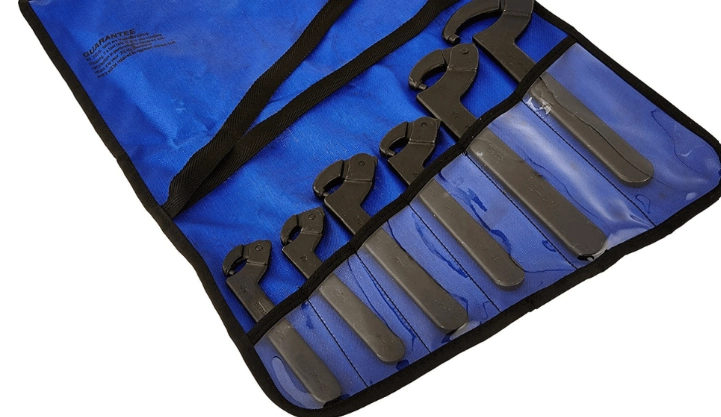
An adjustable pin wrench is built to hook into holes or slots on collars, locknuts, and retaining rings. Its setup lets you put torque on evenly. You won’t scratch or bend the carefully made surfaces. The arms move to match different sizes. So, you don’t need a bunch of wrenches for each size in your box. This setup cuts down on clutter. It also speeds up your work when you switch between part sizes.
I recall a time in a small workshop where space was tight. One adjustable pin wrench handled jobs that would have needed three fixed ones. It made the whole process smoother and less frustrating.
Why Precision Assemblies Require Specialized Tools
In tight-tolerance setups, a small mistake in torque or position can cause early breakdown or failure. Wrong tools raise the chance of bending surfaces and messing up alignment when you tighten or loosen things. Adjustable pin wrenches keep torque steady. They do this by spreading force evenly via their pins. This even spread cuts down on stress to key parts. It’s vital for jobs like putting together aerospace bearings or car parts with thin threads.
For example, in an auto repair shop, a tech once used the wrong tool and stripped a thread. That led to a full replacement, costing hours and money. Specialized tools like this prevent those headaches.
Design Principles and Functional Mechanics
The build of an adjustable pin wrench shows smart and careful planning. Each piece, from the handle to the pins, aims to give steady power boost. At the same time, it keeps a good feel for the person using it.
Anatomy of an Adjustable Pin Wrench
The usual design has a strong handle linked to two arms that you can adjust. These arms hold pins that you can swap out at the tips. A threaded part lets you tweak the pin distance with care. This gives a firm grip on sizes that vary. Materials count a lot. Hardened steel offers strength and lasts against wear. Lighter metals might go in spots where tiredness matters for the user. Every bit needs close machining to work well with many tweaks.
Picture holding one in your hand. The weight feels right, not too heavy for long jobs. That’s from good choices in how it’s put together.
Mechanical Advantage and Torque Transfer Efficiency
The handle’s length sets how much push you get when you turn it. A longer one boosts torque. But it asks for more skill from you to not go too far. The pin shape, like their slant and how deep they go, decides how well the force moves from wrench to part. Top-notch cutting on moving spots cuts down on rub and drag. This makes turning smoother. You also get a better sense when you hit the right torque level.
In practice, I’ve seen workers prefer handles around 8 inches for most tasks. It balances power without making control hard, especially on smaller parts.
Pin Layout and Engagement Considerations
Choosing the right pin distance and type sets how well an adjustable pin wrench holds on. These choices matter to stop slips or uneven push during the build process.
Determining Optimal Pin Spacing for Secure Fit
Right spacing spreads pressure evenly over a locknut or collar face. If it’s too spread out, one pin takes most of the work. That creates side forces that can twist threads or slots. Maker guides make this easy. They link diameters to suggested settings. Techs use these for steady results in factory lines.
Say you’re working on a 2-inch collar. The chart points to a 1.5-inch spacing. Follow that, and everything locks in place without a hitch.
Selecting Appropriate Pin Diameters and Materials
Pin size changes grip power and how it feels to use. Thin pins suit light jobs like small bearings. Thicker ones manage big turns in tough spots, such as machine gears. Folks often pick hardened steel or pins with carbide tips. They hold up through many uses without bending. Polished ends on pins keep the hold steady. This helps on oily or covered surfaces you see in careful machines.
From shop experience, switching to carbide pins cut down on replacements by half. They just last longer in greasy conditions.
Application Techniques for High-Tolerance Assemblies
Good methods turn an adjustable pin wrench into a tool for exact work. It goes beyond basic hand use.
Achieving Controlled Torque Without Component Damage
To skip overdoing it on touchy parts, team it with a torque setter matched to your job needs. Push steady on both arms. This way, torque spreads out the same on touch spots. Check pins often. Look for wear signs early. Worn ends can slide when loaded. That hurts safety and rightness in the task.
One tip from the field: Always start with light pressure. Build up slowly. It avoids surprises, like in assembling a delicate gear set where 10 Nm is the max.
Integrating Adjustable Pin Wrenches into Assembly Workflows
Steady ways count when you do the same job over and over. Set fixed setups for common tasks. This cuts wait time. It keeps rightness in big runs. Mix in adjustable pin wrenches with tools like micrometers or gauges. You can check fit right then before the last turn. This method grows in places like plane fix shops and careful build plants. Log calibrations as part of check routines. It tracks changes over months.
In a production line I know, they log every use. It helped spot a tool drift after 500 cycles, saving a batch from defects.
Fit Compatibility Across Industrial Applications
Adjustable pin wrenches serve many fields. There, changing sizes and shapes test regular hand tools.
Matching Wrench Types to Component Designs
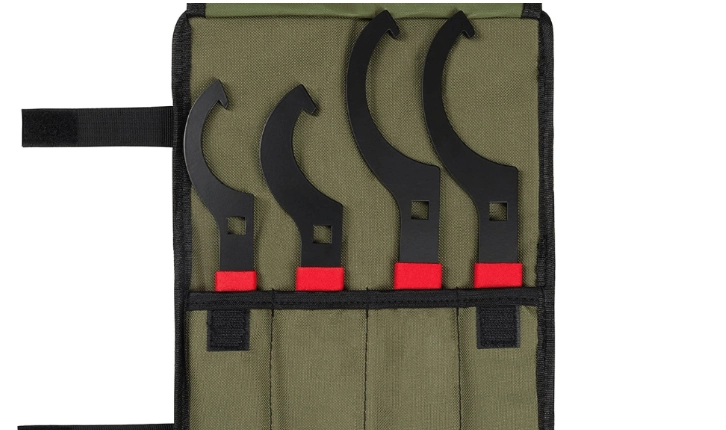
Not all locking rings have the same cut. Some need hook holds. Others use two-pin spots. Adjustable kinds give room by fitting many sizes in one body. This shines in fix areas where gear differs a lot. Tool guides from makers help pick the right one. They base it on thread space, cut depth, and turn range needed.
For instance, a hook type works great on odd-shaped collars in old equipment. It adapts where fixed tools can’t.
Typical Industrial Contexts Where Adjustable Pin Wrenches Excel
In plane building, they’re key for holding bearing keepers under big moving forces. They do it without marking the faces. Car workers use them to set suspension rings or gear locknuts. These need exact preload. In build shops, the wrenches help line up turning parts in machine starts. Here, steady spots set the whole make quality.
Take aerospace: A single misplaced turn can ground a plane. These tools keep things precise, often under 5-micron tolerances.
Maintenance and Longevity Practices for Precision Tools
A cared-for adjustable pin wrench works well for years. Just give it right upkeep between jobs.
Preventive Care for Sustained Accuracy
After use, wipe off dirt near turn spots. Bits stuck there can shift position bit by bit. Add light oil to moving bits. Use types that don’t gum up. This keeps things gliding without pulling in shop dust. Put it in a guard case for storage. That blocks rust and bends. Both can throw off settings over time.
Simple habit: Clean after every shift. It kept my kit’s tools sharp for over a decade in a factory.
Periodic Calibration and Replacement Guidelines
Threads in tweak parts wear slow with heavy use. This adds play that messes torque in small turns. Check often to find problems soon. Don’t let them hurt fine work. Swap bent or cracked pins right away. Don’t push harder to make do. That wears the tool fast. Stick to maker times for checks. It holds size rightness for jobs like turbine builds or gear fixes.
Typically, calibrate every 200 hours of use. In high-volume shops, that means monthly for busy teams.
FAQ
Q1: What distinguishes an adjustable pin wrench from fixed-size spanners?
A: It features movable arms with interchangeable pins that adapt to various diameters, reducing tool inventory while providing controlled engagement across different components.
Q2: How often should calibration be performed?
A: For professional use in precision assembly environments, inspect adjustment threads quarterly and perform full calibration at least twice per year depending on usage frequency.
Q3: Can adjustable pin wrenches handle heavy industrial torques?
A: Yes, provided they’re constructed from hardened materials with reinforced pivots; larger models are rated for high-load applications such as gearbox servicing.
Q4: What’s the best way to prevent slippage during operation?
A: Match pin spacing precisely using manufacturer charts and verify clean contact surfaces before applying force; worn pins should be replaced promptly.
Q5: Are there specific industries where these tools are indispensable?
A: They’re widely used in aerospace maintenance, automotive suspension tuning, precision manufacturing setups, and any field demanding repeatable torque control on circular components.


