
Is Black Steel Pipe For Gas The Right Choice For Spire’s St Joseph Upgrade
Spire To Upgrade Infrastructure In St. Joseph, Replacing Decades-Old Steel Pipe
Spire’s modernization in St. Joseph marks a decisive shift toward safer and more efficient gas delivery. The project replaces aging steel pipelines with advanced materials to meet current safety codes and operational needs. This upgrade not only enhances reliability but also prepares the network for future energy demands, aligning with both federal integrity management rules and Missouri’s local infrastructure standards.
Overview Of Spire’s Infrastructure Upgrade In St. Joseph
Spire’s infrastructure renewal in St. Joseph is a large-scale engineering effort aimed at upgrading the city’s natural gas distribution system. The initiative focuses on replacing outdated steel pipes that have served for decades but now face corrosion and fatigue challenges.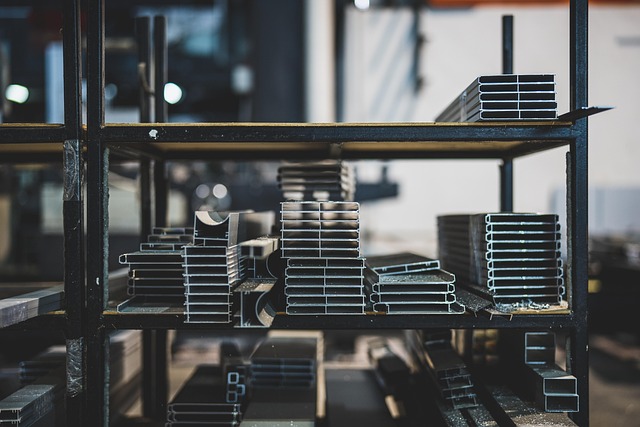
Scope And Objectives Of The Modernization Project
The core objective is the replacement of aging gas distribution pipelines to enhance safety and reliability across residential and commercial zones. The modernization aligns with federal and state regulations governing gas infrastructure integrity, ensuring compliance with PHMSA pipeline safety standards. By integrating modern materials such as coated steel and polyethylene, Spire intends to improve performance, reduce leak probability, and extend service life while maintaining pressure stability under varying load conditions.
Historical Context Of The Existing Steel Pipeline Network
Much of St. Joseph’s legacy network dates back to mid-20th century installations when black steel pipe for gas was standard practice. These pipes typically had a lifespan of 50 to 70 years depending on soil conditions and maintenance frequency. Over time, oxidation, moisture intrusion, and joint leakage became recurring issues in older steel systems, leading to higher maintenance costs and safety risks that justified full-scale replacement.
Understanding Black Steel Pipe In Gas Distribution Systems
In gas distribution networks, black steel pipe remains a critical material due to its mechanical strength and pressure resistance. Yet its long-term suitability depends on environmental exposure, coating protection, and adherence to manufacturing standards.
Material Composition And Mechanical Properties
Black steel pipe is made primarily from low-carbon steel containing up to 0.3% carbon, providing an optimal balance between strength and ductility. It exhibits high tensile capacity—often exceeding 350 MPa—and can withstand internal pressures typical of urban gas systems without deformation. However, its corrosion resistance is limited when uncoated or exposed to moist soil environments rich in chlorides or sulfates.
Manufacturing Standards And Coating Options
Production follows ASTM A53 or API 5L specifications that define chemical composition, dimensional tolerances, and hydrostatic testing requirements for pipeline-grade steel. External coatings such as fusion-bonded epoxy (FBE) or polyethylene tape wrapping are commonly used to mitigate external corrosion risks in buried applications. Quality assurance involves non-destructive testing methods including ultrasonic inspection and magnetic flux leakage detection before field deployment.
Evaluating Suitability Of Black Steel Pipe For Spire’s Upgrade
Before choosing any material for replacement work in St. Joseph, engineers must assess compatibility with operating pressures, environmental factors, and lifecycle economics.
Compatibility With Natural Gas Transmission Requirements
Black steel pipe for gas distribution offers excellent pressure ratings suitable for medium-pressure networks up to several hundred psi. Its rigid structure maintains flow efficiency even under fluctuating demand cycles common in cold Midwestern winters. Welded joints provide superior sealing performance compared with threaded connections when handling thermal expansion caused by seasonal temperature swings.
Corrosion Behavior In Midwestern Soil Conditions
St. Joseph’s soil profile includes clay loam with moderate moisture content that accelerates electrochemical corrosion if protective measures are absent. Cathodic protection systems—using sacrificial anodes or impressed current—are effective in reducing metal loss rates in black steel pipelines by maintaining them at a lower electrochemical potential than surrounding soil minerals. Regular monitoring ensures consistent current distribution along the pipeline length.
Safety, Longevity, And Lifecycle Cost Analysis
Properly coated black steel can last over 60 years if maintained through periodic inspection and cathodic protection calibration. Compared with polyethylene alternatives, it demands more frequent corrosion surveys but offers higher mechanical resilience against excavation damage or external impact. Lifecycle costs remain balanced when factoring reduced leak incidents and extended service intervals after rehabilitation.
Comparing Black Steel Pipe With Alternative Materials
Material selection directly affects installation efficiency, maintenance cycles, and long-term sustainability goals within utility infrastructure projects like Spire’s.
Polyethylene (PE) Piping Systems For Gas Distribution
Polyethylene piping has gained popularity among utilities for low- to medium-pressure applications due to its flexibility and ease of handling during trenchless installations such as directional drilling.
Technical Advantages Of PE Piping
PE pipes accommodate ground movement during freeze-thaw cycles without cracking or joint separation—a major advantage in northern climates like Missouri’s winters. They resist internal corrosion from residual moisture or trace contaminants within natural gas streams since plastic surfaces are chemically inert under normal operating conditions.
Limitations Relative To Black Steel Pipe
However, PE piping has lower maximum allowable operating pressures than black steel pipe for gas transmission lines above certain diameters. It also degrades under prolonged ultraviolet exposure if left unburied during construction staging or above-ground use near meter sets unless UV-stabilized grades are specified.
Corrugated Stainless Steel Tubing (CSST) As An Emerging Option
CSST has become increasingly visible in building-level applications but remains less common at the utility scale due to cost constraints on large-diameter runs.
Performance Attributes Of CSST Systems
Its flexible corrugated design simplifies routing through complex urban layouts while minimizing vibration-induced fatigue compared with rigid metallic conduits. Installation time is significantly shorter since fewer fittings are required per linear foot compared with traditional threading or welding operations.
Considerations For Utility-Scale Deployment
Despite these advantages, CSST becomes cost-prohibitive beyond small-diameter service lines because stainless alloys command premium pricing relative to carbon steels or polymers. Moreover, compliance under utility codes often limits CSST use to secondary distribution rather than primary mains where high flow rates prevail.
Strategic Considerations For Material Selection In Spire’s Project
Material decisions must align not only with technical criteria but also regulatory mandates and sustainability objectives guiding modern energy utilities.
Regulatory Compliance And Industry Standards Alignment
PHMSA guidelines stipulate that pipeline operators select materials capable of maintaining structural integrity throughout intended service life while meeting ASME B31.8 design requirements for natural gas systems. Missouri jurisdictions further require local permitting reviews addressing excavation methods and cathodic protection plans before construction approval is granted.
Environmental Impact And Sustainability Factors
Manufacturing black steel involves higher embodied carbon emissions compared with polymer-based alternatives due to smelting energy intensity; however, it compensates through recyclability at end-of-life stages since recovered steel retains full metallurgical value for reprocessing into new products—supporting circular economy principles increasingly prioritized by utilities transitioning toward net-zero goals.
Operational Efficiency And Future Scalability
Steel pipelines remain compatible with advanced monitoring technologies such as SCADA-integrated pressure sensors or IoT-enabled leak detectors that transmit real-time data for predictive maintenance analytics. Their structural rigidity also accommodates potential future conversions—for instance blending renewable gases like hydrogen—without compromising containment performance when properly lined or internally coated.
Technical Recommendations Based On Engineering Evaluation
Selecting the right mix of materials across St. Joseph’s grid requires balancing strength demands against corrosion exposure levels while considering cost-effectiveness across decades of operation.
Situational Use Cases Where Black Steel Pipe Remains Advantageous
High-pressure feeder lines connecting regional supply points benefit most from black steel pipe due to its superior mechanical strength-to-weight ratio and proven weld integrity under cyclic stress conditions typical of compressor station outputs. Areas exhibiting low soil corrosivity—such as sandy sections along elevated corridors—can rely on coated black steel installations expected to perform reliably over long durations without excessive maintenance overheads.
Scenarios Favoring Transition Toward Composite Or Polymeric Materials
Conversely, neighborhood-level distribution zones where flexibility reduces repair downtime may favor polyethylene systems that simplify fusion joining during trenchless rehabilitation projects beneath paved streets or densely built districts. These lighter materials minimize installation disruption while mitigating corrosion-related risks inherent in metallic pipelines exposed to variable moisture gradients common around older urban drainage networks.
FAQ
Q1: Why is Spire replacing old pipelines in St. Joseph?
A: The existing network consists of decades-old steel pipes showing signs of wear from corrosion and age-related degradation; replacing them improves safety compliance and reduces leak potential.
Q2: What makes black steel suitable for gas transmission?
A: Its high tensile strength allows it to handle elevated pressures without deformation while maintaining reliable joint integrity through welded connections.
Q3: How does soil condition affect black steel durability?
A: Moisture-rich soils accelerate corrosion unless protective coatings or cathodic systems are applied; dry sandy soils pose less risk over time.
Q4: Are plastic pipes completely replacing metal ones?
A: Not entirely; plastics dominate low-pressure segments while metals remain essential where higher pressures or mechanical loads exist.
Q5: What sustainability benefits come from using recyclable metals?
A: Recycled black steel reduces raw ore demand and supports circular manufacturing loops that lower overall environmental impact across multiple lifecycle phases.


