
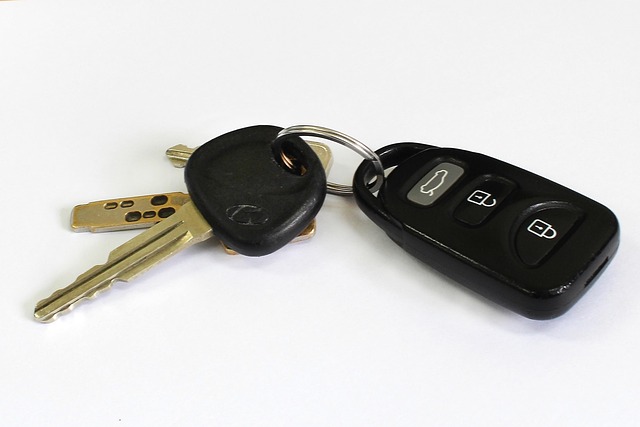
Why Ace Hardware Auto Keys Are Changing How We View $200 Car Key Duplicates
Why Duplicate Car Keys Cost $200, and a New Cheaper Option
The steep price of duplicating a modern car key—often hovering around $200—comes from advanced security technology and manufacturer control over programming systems. Each key now carries encrypted chips that sync with vehicle immobilizers, requiring specialized tools and licensed software to replicate. However, retail chains like Ace Hardware are changing this landscape. Through new in-store auto key services using secure third-party systems, they offer compatible duplicates at a fraction of dealership costs. This shift not only challenges traditional pricing models but also expands access for consumers seeking affordable and legitimate alternatives.
The Rising Cost of Modern Car Key Duplication
The complexity behind today’s automotive keys explains why duplication has become an expensive service. What was once a simple mechanical cut now involves electronic pairing, encryption, and compliance with vehicle security standards.
Understanding the Technology Behind $200 Car Keys
Modern car keys contain embedded transponders and microchips that communicate with the vehicle’s onboard computer. When inserted or detected nearby, the chip sends an encrypted signal to the immobilizer system to authorize ignition. Manufacturers design proprietary programming systems that restrict third-party duplication, which inflates service prices. To create a functional duplicate, locksmiths or technicians must use diagnostic tools capable of syncing the new key with the car’s internal software—equipment that often costs thousands of dollars.
Factors Contributing to the High Price of Key Duplication
The cost extends beyond hardware complexity. Certified locksmiths undergo training and maintain licensing fees for OEM software access. Dealerships face additional overhead from specialized staff and diagnostic equipment investments. Limited competition in key programming technology further drives up market prices since only authorized providers can legally reproduce specific encrypted codes.
How Ace Hardware Auto Keys Are Disrupting the Market
A new wave of accessibility is emerging as retail hardware chains enter automotive key duplication. Their approach challenges dealership dominance by offering secure yet affordable alternatives.
The Entry of Retail Hardware Stores into Automotive Key Services
Ace Hardware has expanded its offerings to include transponder and remote key duplication within local stores. These services use licensed third-party technology compatible with many vehicle makes and models. In-store kiosks equipped for instant programming democratize access by removing the need for dealership appointments or long wait times.
The Technology Behind Ace Hardware’s Auto Key System
The ace hardware auto keys program operates through advanced cloning systems that replicate OEM functionality while maintaining encryption integrity. Cloud-based databases verify vehicle compatibility before programming begins, ensuring accuracy across diverse car brands. Encryption protocols safeguard data transmission during pairing, aligning with industry security requirements established by automotive standards bodies such as ISO/SAE 21434 for cybersecurity in road vehicles.
Comparing Dealership vs. Ace Hardware Key Duplication Models
As competition intensifies, understanding how retail models differ from traditional dealership services reveals why consumers are shifting preferences toward convenience-based solutions.
Cost Structure and Service Efficiency Analysis
Dealerships carry high operational costs due to certified technicians and proprietary equipment maintenance. Every duplicated key reflects these fixed expenses. By contrast, Ace Hardware leverages its existing retail infrastructure to distribute costs across multiple services, reducing per-transaction pricing. Streamlined workflows enable faster turnaround—often completing duplication within minutes rather than days—without sacrificing quality or compliance.
Differences in Customer Experience and Accessibility
Dealerships typically require scheduled appointments and may hold vehicles overnight during reprogramming procedures. Retail hardware outlets offer walk-in convenience with immediate service availability, appealing to time-sensitive customers. Their widespread presence across suburban and rural areas enhances accessibility where dealership networks remain limited.
Security Considerations in Non-OEM Key Duplication
Security remains central when discussing non-dealership duplication options. Any alternative must replicate encryption accuracy without compromising vehicle protection mechanisms.
Evaluating Encryption Integrity and Data Protection Standards
Non-OEM keys must conform to immobilizer encryption protocols defined by manufacturers to prevent unauthorized access attempts. Properly cloned keys retain full operational capability while staying within legal frameworks governing anti-theft compliance under ISO 14229 (Unified Diagnostic Services). Reputable duplicators use certified blanks tested for signal consistency to avoid interference or malfunction risks.
Risk Assessment: When Cheaper Doesn’t Mean Compromised Security
Lower cost does not inherently equal lower security if performed through verified channels like Ace Hardware’s licensed system. Certified hardware providers utilize validated software tools audited under cybersecurity standards similar to those monitored by IEEE working groups on automotive electronics safety. Educating consumers about legitimate duplication sources helps reduce exposure to counterfeit keys circulating online marketplaces.
Economic Implications for the Automotive Aftermarket Industry
The entry of retail players into this niche signals a broader economic transformation within automotive services, redistributing profits once confined to dealerships.
Shifting Revenue Streams from Dealerships to Retail Chains
As more consumers choose ace hardware auto keys over dealership programming, revenue once tied to ancillary services shifts toward retail environments. This growing competition pressures dealerships to reconsider pricing strategies or explore collaborative ventures with independent locksmiths who already operate in local markets.
The Broader Impact on Consumer Perception of Value
Affordable duplication reshapes consumer expectations about what constitutes fair value in vehicle maintenance services. Drivers gain autonomy over where they source replacements rather than relying solely on brand-authorized centers. This decentralization mirrors broader trends across the aftermarket sector where transparency and accessibility increasingly define trustworthiness.
FAQ
Q1: Why do modern car keys cost so much to duplicate?
A: Modern keys integrate transponders and encrypted chips requiring specialized tools for synchronization with vehicle computers, significantly raising production costs compared with traditional metal keys.
Q2: Are ace hardware auto keys as reliable as dealership duplicates?
A: Yes, when produced through licensed systems using certified blanks and encryption-compliant software, they perform identically while meeting industry safety standards.
Q3: Can any car key be duplicated at Ace Hardware?
A: Most common transponder and remote types can be replicated; however, certain luxury brands using proprietary encryption may still require dealership intervention.
Q4: Does using a non-OEM duplicate void vehicle warranty?
A: Typically no, provided the duplicate does not interfere with electronic systems or breach manufacturer security protocols; warranties cover unrelated mechanical components separately.
Q5: How is consumer data protected during duplication?
A: Licensed providers employ encrypted communication between devices during programming sessions following ISO cybersecurity frameworks that prevent unauthorized data extraction or storage breaches.


