
What Makes Joint Connector Wood Essential in 9 Types of Wood Joints
9 Types of Wood Joints – The Best Methods for Joining Wood
Joint connector wood plays a critical role in modern and traditional woodworking. It not only strengthens the structural framework but also enhances precision and longevity in furniture, cabinetry, and architectural applications. When properly selected and installed, joint connectors maintain dimensional stability and distribute stress evenly across members, preventing deformation over time. This article explores the technical aspects, practical uses, and engineering principles behind joint connector wood across various joinery types.
The Role of Joint Connector Wood in Structural Integrity
The mechanical performance of any wooden structure depends largely on how its joints are formed and reinforced. Joint connector wood acts as the backbone of these connections. It blends both traditional craftsmanship and modern engineering techniques to achieve consistent strength. In real shop work, a poorly chosen connector often shows up as a wobbly table leg after just a few months of use.
The Function of Joint Connectors in Woodworking
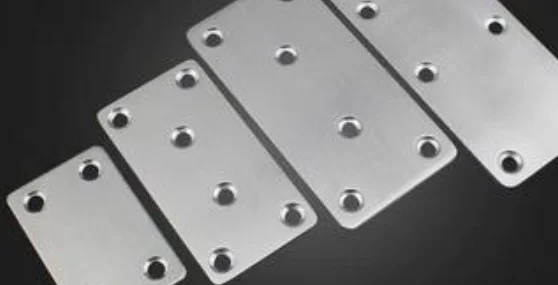
In woodworking, joint connector wood improves mechanical strength. It spreads loads evenly between connected parts. This reduces stress at single points that can lead to cracks or warping. A good connector lets each piece carry its share of tension, compression, and shear. Choosing the right type, whether a metal plate, dowel, or engineered insert, helps avoid long-term fatigue and keeps parts lined up during assembly. For instance, a simple 1/2 inch dowel in a chair rail can stop the joint from loosening after daily sitting and standing.
Material Characteristics That Influence Connector Performance
Connector performance depends on the wood itself. Density affects how well screws or dowels hold. Grain direction changes shear strength. Moisture level decides if the joint stays stable. Different woods work better with certain connectors. Oak takes steel fasteners differently than pine does with plastic ones. Sanding or sealing the surface first improves grip and fit. In one kitchen island build, switching from pine to oak dowels cut movement by half after a year of humidity swings.
Applications of Joint Connector Wood in Traditional Joinery
Traditional joinery counts on exact shapes rather than glue alone. Joint connector wood adds support to these older methods. It does so without hurting looks or breaking the old style.
Mortise and Tenon Joints
Mortise and tenon joints have lasted centuries in frames. They handle shear and pull well. Adding wooden pegs or hidden screws makes the tenon hold better. The lines stay clean. In big timber frames or table legs, these extras stop twisting when the weather changes. A 3/8 inch peg every eight inches often gives enough hold for a dining table that sees heavy daily use.
Dovetail Joints
Dovetail joints lock tails and pins together. They fight pulling apart. Still, movement from heat or damp air can loosen them over time. Joint connector wood keeps steady pressure along the grain. This cuts the chance of gaps forming. Drawer boxes and cabinet corners gain the most because they open and close many times a day.
Reinforcing Modern Mechanical Joints with Connectors
Modern joinery mixes speed and accuracy with screws and fasteners. Adding joint connector wood to these setups makes them more dependable while keeping work quick.
Pocket Hole Joints
Pocket hole work uses angled screws for fast connections. Thin wood can split if nothing supports the screw head. A small wooden block inside spreads the force. This lowers split risk in soft pine or poplar. The block also hides the screw from view. It works well on cabinet faces that show.
Biscuit Joints
Biscuit joints use small beech pieces in slots. Glue makes them swell for a tight fit. Joint connector wood lines up the panels while the glue sets. It adds side strength without metal showing on the outside. Cabinet makers like this for doors and sides where looks matter.
Integrating Connectors into Structural Frameworks
Big frames need joints that carry weight and stay straight. Connectors let these assemblies work even when the air changes.
Lap Joints
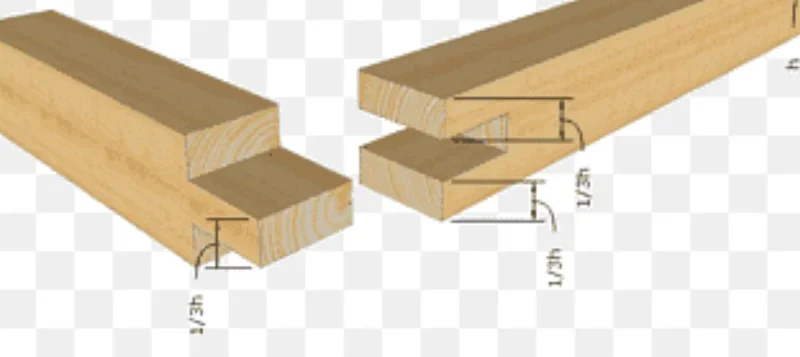
Lap joints overlap two pieces partway. Dowels or plates set into the overlap raise the load capacity. This stops bending in roof trusses or beam crossings. One barn rebuild used 5/8 inch dowels in each lap and cut sag by a third after two winters.
Dowel Joints
Wooden dowels line up parts and add pull strength across the grain. They give a clean look with no metal visible. Chairs, tables, and shelves all use them when the joint must stay hidden.
The Role of Joint Connector Wood in Specialized Joinery Techniques
Some joints focus on looks yet still need strength. Connectors here must fit the design and support edges under pull.
Mitre Joints
Mitre joints meet at an angle, often 45 degrees. They are weak against pull. Splines or biscuits inside add strength without changing the outside view. Picture frames and trim use this method because the corner must look unbroken.
Box (Finger) Joints
Box joints have many fingers that lock together. They give lots of glue surface but can twist apart if left alone. Thin wooden strips placed between layers add more glue area. Toolboxes and chests last longer with this extra step.
Advanced Joinery Applications Using Hybrid Connectors
Hybrid setups mix old shapes with newer materials. They give steady results on big jobs like floors or walls where every piece must match.
Tongue and Groove Joints
Tongue and groove joints keep long seams straight in floors or panels. Placing flexible connector wood between the tongues controls expansion when air moisture shifts. Floors stay flat longer and gaps stay small.
Scarf Joints
Scarf joints join two long beams end to end. Embedded connectors let the load move smoothly along the full length. Boat builders and roof framers use them when the grain must look continuous across many feet.
Engineering Considerations When Selecting Joint Connector Wood
Picking the right connector takes more than feel. Load size, weather exposure, and cut accuracy all affect how long the joint lasts. In coastal builds, salt air often forces the switch to stainless plates after only two seasons with plain steel.
Evaluating Load Requirements and Environmental Conditions
Start by listing the forces the joint will face. Static weight differs from repeated movement. Outside jobs need connectors that handle wet and dry cycles. Marine glue with dense hardwood inserts holds up better than standard glue when rain hits often.
Precision Machining and Installation Best Practices
Small errors in cutting add up across many joints. CNC routers keep cuts within 0.2 mm so parts fit without force. Glue then fills tiny spaces and adds holding power. Shops that skip this step often see callbacks within a year.
Innovations in Joint Connector Design for Contemporary Woodworking
New materials and tools keep changing how connectors are made. Engineered woods now give steady results that solid timber cannot always match. Digital cutting lets makers shape connectors in ways hand tools never could.
Engineered Wood Connectors and Composite Materials
Laminated veneer lumber and fiber composites offer even density. They resist twist better than plain boards. Modular shelf systems often use these because they stay light yet carry heavy loads without sagging.
Integration with Digital Fabrication Techniques
CNC machines let shops cut custom connector shapes quickly. Waste drops and each batch matches the last. This matters on large wall panel jobs where every joint must line up the same.
Sustainable Practices in Using Joint Connector Wood
More shops now track where wood comes from and how long a piece will last before it needs repair. This balance between strength and waste reduction keeps projects both practical and responsible.
Responsible Sourcing of Materials
FSC-certified wood gives buyers proof the trees were cut under set rules. Traceability from forest to finished item builds trust with clients who ask about origin.
Extending Product Lifespan Through Repairable Joinery
Modular designs with removable connectors let owners fix a broken part instead of throwing the whole item away. This approach fits repair shops that rebuild old furniture for new owners.
FAQ
Q1: What is the main purpose of joint connector wood?
A: It strengthens wooden joints by spreading mechanical loads evenly across connected components while improving long-term stability against deformation or splitting.
Q2: Which type of joint benefits most from using connectors?
A: Mortise-and-tenon assemblies gain significant reinforcement since added connectors enhance resistance against shear forces common in frame structures.
Q3: How does moisture affect joint performance?
A: Variations in humidity cause expansion or contraction that may weaken unreinforced joints; moisture-resistant connectors mitigate this effect effectively.
Q4: Are engineered connectors better than natural ones?
A: Engineered options provide consistent density and predictable behavior under stress but may lack aesthetic warmth found in natural wooden alternatives depending on application needs.
Q5: Can digital tools improve joinery accuracy?
A: Yes, CNC-based fabrication delivers precise cuts ensuring tight fits among components thereby reducing material waste during production stages significantly.


