
What Are The Key Factors In Selecting Self Tapping Screws For Precision Assembly
The Role of Self-Tapping Screws in Precision Assembly
Self-tapping screws play a key part in today’s assembly work. Precision, steady repeats, and quick speed all shape how good the final product turns out. These fasteners cut their own matching threads while going in. That means no need for holes that are already tapped ahead of time. Assembly time drops a lot because of it. In fields like aerospace or electronics every joint has to stay exact even when stress hits hard. Picking the right self-tapping screw shows up in how well things hold and how long they last.
The Function and Design of Self-Tapping Screws
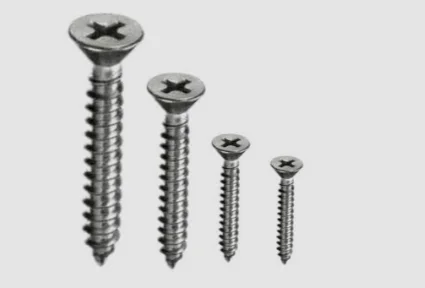
A self-tapping screw makes its own threads in the base material while you drive it. Special cuts or edges along the body do the work. Two main kinds exist. Thread-forming types push the material aside to shape threads. They leave all the base stuff in place. That works well for plastics and soft metals. Thread-cutting types take some material away. They leave clean threads behind in tougher stuff like steel or aluminum.
This built-in threading cuts down on extra steps. Shops save time and see less wear on tools. Joints stay solid from one piece to the next. On fast lines where every second counts the self-threading action speeds things up. Alignment problems show up less often too. One shop I know of cut their cycle time by nearly a third after switching to these screws on plastic housings.
Applications in Precision Engineering and Manufacturing
Self-tapping screws show up wherever tight work matters. Electronics, car systems, plane parts, and small measuring tools all use them. In car dashboards they hold parts without cracking thin plastic. In plane builds titanium versions keep weight low and fight vibration. A small change in thread spacing or how deep the screw sits can throw off torque or let parts loosen after many load cycles. Engineers often set limits at 0.01 mm or tighter so every batch comes out the same.
Real lines run these screws by the thousands each shift. One electronics plant in Asia checks every tenth screw with a torque tool just to catch drift early. That habit keeps returns low even when parts ship worldwide.
Material Selection for Self-Tapping Screws
The material you pick sets both strength and how well the screw lasts outside or near chemicals. Every job needs a mix of hard enough to cut yet tough enough not to snap.
Evaluating Screw Material Properties
Stainless steel fights rust well. Carbon steel gives good strength at lower cost. Titanium keeps weight down. Nickel-chromium mixes handle heat. Grades 304 and 316 stainless come up often in boats and medical gear because they stand up to salt and cleaning agents. Harder screws cut sharper threads but they can wear out driver bits faster if no oil is used. Softer low-carbon screws bend more during install yet they may give way under heavy turning force.
A tool maker once told me they test three grades on every new plastic part. The middle grade usually wins because it balances bite and tool life.
Compatibility Between Screw and Substrate Materials
Mixing metals the wrong way can start rust through electric action when moisture sits around. Stainless screws into aluminum often need a thin plastic washer or a coat to stop that. Plastic bases call for sharper threads and lower drive force so the material does not split or strip.
Thread Geometry and Its Impact on Assembly Precision
Thread shape decides how well the screw grabs and spreads force across the joint.
Thread Design Considerations
Fine threads give more holding power because more of them sit in the same length. Coarse threads go in faster and hold better in soft stuff like plastic or wood mixes. Pitch, the side angle, and how deep each thread goes all change how stress spreads. Good choices here stop small cracks from starting after months of use. In one test a 0.5 mm pitch change raised pull-out force by 18 percent on aluminum plates.
Pilot Hole Dimensions and Tolerances
The starting hole size must sit between two problems. Too tight and drive torque climbs until threads tear. Too loose and the screw sits with little bite. Most teams aim for 65 to 75 percent thread contact. Tight control on hole size keeps torque readings steady when robots do the driving.
Drive Type and Head Configuration Choices
The drive system moves turning force from the tool into the screw with little waste or damage.
Drive Systems for Torque Control and Accessibility
Phillips heads are everywhere because bits are cheap and easy to find. They can slip when torque gets high. Torx heads move force better and slip less. That fits robot lines where one bit must last thousands of turns. Hex sockets go deeper but need extra space around the head. Slotted heads need less room yet they strip faster under power tools.
Head Styles for Functional and Aesthetic Requirements
Head shape changes both looks and how force spreads on the surface. Pan heads spread load on thin sheets. Flat heads sit level in countersunk spots. Oval heads look nicer while still giving some bearing area. Truss heads spread wide and suit soft plastic without sinking in.
Surface Treatments and Coatings for Performance Enhancement
Coatings add life by cutting friction at install and blocking rust later.
Protective Coatings Against Corrosion and Wear
Zinc plating gives basic rust cover at low cost. Nickel adds wear protection. Phosphate helps paint stick. Black oxide gives even color on visible parts. Coat thickness needs care. Too much changes thread fit. Too little leaves gaps in protection. Shops often run salt-spray tests for 48 hours to check real performance.
Lubrication Treatments for Controlled Torque Application
Factory-applied wax or dry films cut torque swings during tightening. Drivers that read torque get steadier numbers across a whole shift. One line reduced torque spread from 12 percent to 4 percent after adding the coating step.
Mechanical Performance Parameters to Evaluate Before Selection
Teams check how the numbers on paper match real joint behavior before they lock in a screw choice.
Torque-Tension Relationship Analysis
Torque and final clamp force must line up. Too much torque strips the new threads. Too little leaves play that vibration can loosen. Small test batches with load cells show the safe window for each material pair. Results feed straight into the robot program so every screw lands in the same range.
Fatigue Resistance Under Cyclic Loads
Parts that shake all day need screws that last. Strong alloys plus good thread shape cut down tiny movements at the contact line. Fewer movements mean cracks take longer to start. Engine mounts and control boxes often see 10 million cycles in lab tests before any sign of wear shows.
Installation Environment Considerations
Heat swings and shaking change which screw works best and how long the joint stays tight.
Temperature Effects on Material Stability and Thread Engagement
Different metals grow at different rates when hot. A mismatch can loosen the hold over time. Matching expansion rates or adding a locking patch keeps clamp force steady from minus 40 degrees up to 200 degrees in most jobs. Outdoor gear often gets extra checks after winter storage because cold can shift threads just enough to matter.
Vibration Resistance in Dynamic Assemblies
Machines that move or take shocks need extra hold. Serrated washers or nylon patches on threads fight the slow unwind that vibration causes. Field reports from farm equipment show these features cut loose-screw calls by half in the first year.
Quality Control Measures During Screw Selection Process
High-precision lines inspect every lot before it reaches the floor.
Dimensional Inspection Standards
Thread size must meet ISO 1478 or ANSI B18 rules. Cameras and laser gauges check pitch, shank roundness, and head height on samples from each box. Any drift outside the band stops the batch from moving forward.
Testing Procedures for Performance Validation
Pull-out tests measure how much force it takes to remove a seated screw. Torque checks look for steady readings within plus or minus 10 percent. These steps give clear proof the screws will behave the same way once they leave the plant.
Integration with Automated Assembly Systems
Robots now decide many screw choices on big lines.
Screw Feeding Compatibility
Feeders need even head shapes so parts do not jam in the bowl or on the track. Length-to-width ratio matters too. Long thin screws twist out of line. Short ones drop off the magnet. Good suppliers run feeder trials before they quote a new size.
Sensor-Based Monitoring During Installation
Robots watch torque and angle live. A sudden spike flags crossed threads. A low final value flags an incomplete seat. Bad parts get kicked off the belt before the next station even sees them. This cuts escapes to almost zero on well-tuned lines.
FAQ
Q1: What’s the main difference between thread-forming and thread-cutting self-tapping screws?
A: Thread-forming screws push material aside without taking any away. They suit plastics. Thread-cutting screws remove material and leave clean threads in metals.
Q2: How do I choose the right pilot hole size?
A: Pick a hole that gives 65 to 75 percent thread contact. That range avoids stripping yet keeps good pull-out strength.
Q3: Which coating works best against corrosion?
A: Zinc plating covers most needs at low cost. Nickel adds wear life. Stainless steel often needs nothing extra unless salt exposure is extreme.
Q4: Why does drive type matter so much?
A: The drive shape controls how cleanly torque moves into the screw. Torx heads cut slip risk compared with Phillips during long robot runs.
Q5: Can self-tapping screws be reused?
A: Most times no. The first install reshapes the threads for good. Reuse often drops holding power, especially in aluminum or plastic.


