
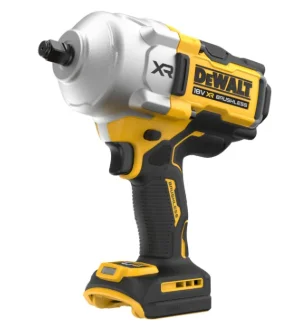
What Makes an Impact Wrench the Ideal Choice for Cordless Precision Work
The Role of an Impact Wrench in Cordless Precision Work
Cordless tools have changed how professionals approach fastening, assembly, and maintenance tasks. Among them, the impact wrench stands out for its ability to deliver high torque with remarkable control. Whether you’re tightening lug nuts on a vehicle or assembling industrial equipment, understanding how this tool achieves precision is essential to getting consistent results.
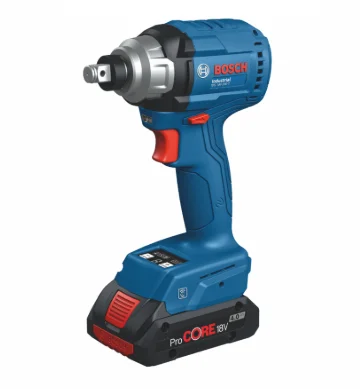
The Functionality of an Impact Wrench
An impact wrench works by mixing turning motion with quick hammering moves inside its body. These hits boost torque output well past what a normal drill or driver can give. A drill keeps turning in one steady way. An impact wrench gives short bursts of turning force. That makes it simpler to loosen rusty bolts or tighten big fasteners.
Torque control matters a lot in precise jobs. Too much torque can ruin threads or hurt the material. Too little torque weakens the joint. New cordless models let you set torque with electronics or by how hard you pull the speed trigger. This gives close control for every job.
Evolution Toward Cordless Technology
Cordless tech has moved forward fast because of better lithium-ion batteries and motors without brushes. Old cordless impact wrenches could not keep up with air-powered tools in power or how long they ran. That difference has mostly gone away now. Better battery power and motor design let cordless units give steady torque while staying easy to carry around.
Being able to move freely and having good balance count as big pluses for cordless versions. You skip air hoses or cords so you walk around cars, machines or job sites without trouble. The lighter feel and even weight also cut down on tiredness after long hours, especially when working above your head or in tight spots. Technicians notice this after a full day on the job.
Key Engineering Features That Enhance Precision
Precision does not come from power by itself. It comes from smart design choices that keep performance steady and guard the tool plus the parts you work on.
Torque Management Systems
Electronic torque control uses sensors to watch the load and change output as needed. Variable speed triggers help by letting you change torque on the spot. Steady torque stops extra stress on fasteners and materials. This matters most with aluminum parts or mixed material builds where too much force can start tiny cracks.
Lights or auto shutoff features warn you before you go too far. They help stop over-tightening and make the tool last longer by easing strain on the inside parts. In real shop work you see these features save time and parts.
Brushless Motor Design and Performance Stability
Motors without brushes have become the norm in good impact wrenches. They cut out the rubbing loss from old carbon brushes. This raises power use efficiency and makes the motor run many more hours than brushed types. In busy auto shops or factory lines, heat control stays important. Built-in cooling moves heat away so performance stays even during long runs.
Lower shake and sound levels also help the user keep better hold. That steadier grip helps during careful fastening steps where small shifts can throw off alignment. Workshop teams often mention how much quieter days feel with these motors.
Battery Technology and Its Influence on Performance Consistency
Battery tech decides how long your impact wrench keeps top output before you need to charge it again. It also decides how steady that output stays from one cycle to the next.
Battery Capacity, Voltage, and Runtime Optimization
Lithium-ion packs lead the cordless field. They pack lots of energy and lose little charge when sitting. Higher voltage packs usually give more torque but add weight. You have to weigh these points to get good balance for long use. How fast the pack drops under steady work shows how well voltage holds up. That matters for keeping fastening speed the same across many repeats.
Smart Battery Management Systems (BMS)
Smart BMS units guard against over charge, deep drain and too much heat by checking every cell all the time. The pack and tool electronics talk to each other so power adjusts to the work load. Some top systems even give early warnings when service or a new pack is due. This cuts idle time in busy production spots.
Ergonomics and Design Considerations for Professional Use
Precision relies on comfort as much as on the mechanics. Tired hands lead to mistakes even with the best tool.
Weight Distribution and Grip Design
Even weight spread eases wrist load during repeat tasks like wheel work or frame bolting. Handle shape helps too. Shaped grips with soft rubber layers give better hold and stop slips from oil or sweat. Materials that soak up vibration also guard joints from build-up strain over long shifts.
Compact Form Factor for Accessibility
A shorter front end lets you reach bolts tucked deep in engine bays or behind panels where older tools cannot go. Designs that swap anvils or sockets add reach without losing strength. This fits techs who move between bolt sizes all day long.
Comparing Cordless Impact Wrenches Across Applications
Not every impact wrench fits the same work. Picking one rests on what field you work in.
Automotive Assembly and Maintenance Tasks
Auto work calls for torque from about 100 Nm on small parts up to 1000 Nm on heavy lug nuts or suspension bolts. Cordless models now match air tools thanks to strong brushless motors. They give steady torque bursts without waiting on air pressure changes from shop compressors. Techs in garages say the lack of hose drag speeds up tire changes.
Industrial Fabrication and Equipment Servicing
In factory settings where exact fastening sets product quality, cordless impact wrenches hold up under long duty cycles. Sealed cases keep dust out from cutting and grinding work while keeping torque settings steady across hundreds of turns each shift.
Technological Innovations Driving Future Development
New ideas keep making the impact wrench more useful in many fields. Things like connection features and tougher build materials add to how long they last.
Integration of IoT and Digital Calibration Tools
New cordless impact wrenches link to phone apps or computer programs for live torque checks and digital records. Logging data helps meet quality checks in aerospace and auto plants that need proof of each assembly step.
Advancements in Material Science and Tool Durability
New metal mixes cut wear inside the hammer section that takes repeated hits. Service gaps grow longer than with older steel parts. Extra coatings fight rust when tools work outside or near chemicals like at boat docks.
Selecting the Right Impact Wrench for Specialized Precision Work
Choosing the right model means matching specs to the work you do rather than just looking for the highest power number.
Matching Torque Output to Task Requirements
Check the torque range needed for each job. Too much force can break parts. Too little leaves joints loose. Regular checks with certified testers keep the wrench accurate over time. This matters when following maker torque steps in fields with strict rules.
Assessing Long-Term Value Through Serviceability
Long term worth depends on more than the first price. Parts supply, software help for smart features and access to service shops for recalibration or fixes all count. Makers that give longer warranties or care plans often work out better over years than low cost options without support nearby.
FAQ
Q1: What differentiates an impact wrench from a regular drill?
A: An impact wrench uses a hammer and anvil setup that sends high torque bursts instead of steady turning like a drill. This helps loosen stuck bolts without harming threads.
Q2: How does battery voltage affect performance?
A: Higher voltage packs usually give more torque room but add weight. You pick between 18 V and 40 V systems based on whether easy carry or strong power matters more for your work.
Q3: Why are brushless motors preferred?
A: Brushless motors stay cooler, run longer and hold speed better under load because they skip the rubbing from old brush parts.
Q4: Can cordless models replace pneumatic tools completely?
A: For most shop jobs they can now match torque levels. Air tools still lead when nonstop use across many shifts is needed.
Q5: What should be checked before buying a professional-grade impact wrench?
A: Make sure the torque range fits your jobs. Check if it works with batteries you already own. Look at warranty length and how the grip feels during long use.


