

What Are Ferrous and Non Ferrous Metals and Which Should You Choose?
What Are Ferrous and Non Ferrous Metals?
When you compare Metals & Surfaces for a real job, the first split is usually ferrous and non ferrous metals. The names sound a bit technical, but the idea is easy to use in daily buying. Ferrous metals contain iron as a main element. Non ferrous metals do not contain iron in useful amounts. That one point affects weight, rust risk, magnetic response, conductivity, price, and how a scrap yard sorts the material.
Iron Content Defines the Main Difference
Ferrous metals include carbon steel, alloy steel, cast iron, and most tool steels. Stainless steel is also ferrous because it is iron based, even though its chromium content helps it resist rust. Non ferrous metals include aluminum, copper, brass, bronze, zinc, lead, tin, nickel alloys, magnesium, and titanium. In buying work, the iron content tells you the metal family first, then you check grade, temper, coating, or finish.
Common Ferrous Metals You Meet Every Day
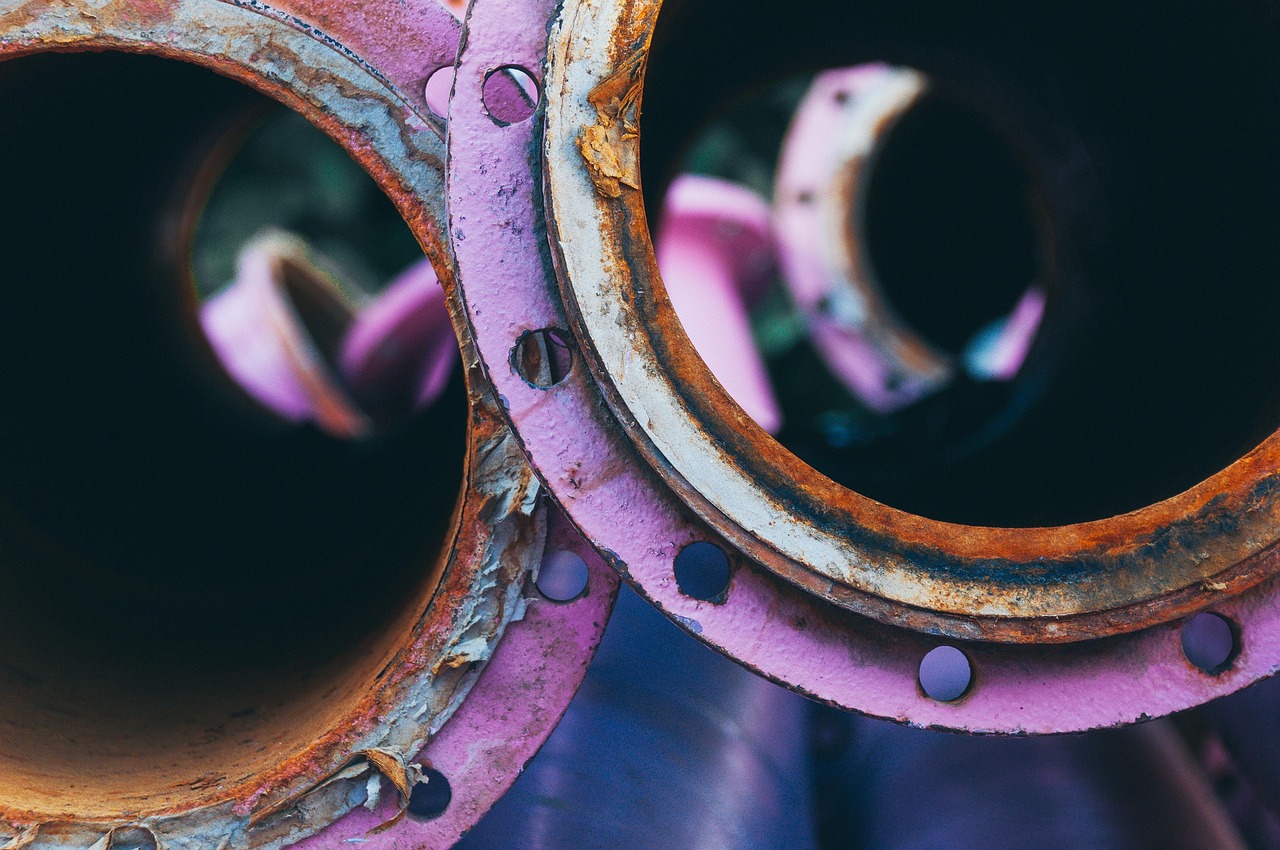
Mild steel plate, galvanized sheet, rebar, black pipe, cast iron fittings, and stainless fasteners are all ferrous. You see them in frames, brackets, gates, hinges, machinery bases, warehouse racks, cookware, and structural parts. Ferrous metals often make sense when the job needs strength at a price the project can carry. A 6 mm steel bracket may look old-school, but it still works because it is strong, easy to weld, and easy to find in stock.
Common Non Ferrous Metals in Trade
Aluminum sheet, copper tube, brass fittings, bronze bushings, zinc die castings, and titanium hardware are common non ferrous products. Buyers choose them for low weight, corrosion resistance, electrical performance, or a clean visible surface. Aluminum is common in window frames and transport parts. Copper is common in wiring and plumbing. Brass is used in valves, locks, handles, and instrument parts where smooth machining matters.
How Do Their Properties Change Your Material Choice?
You do not usually choose a metal by name only. You choose it because the job needs a certain result. A farm gate, a boat fitting, a copper busbar, and a cabinet handle all face different loads, weather, wear, and handling. This is where the ferrous versus non ferrous split starts to save time.
Strength and Wear Resistance
Ferrous metals usually give more strength for the money. Carbon steel and alloy steel can carry heavy loads, take impact, and hold threads well. Cast iron handles compression and vibration in machine bases, though it can break under sharp shock. Non ferrous metals can also be strong, but the alloy must be right. Aluminum 6061-T6, for example, is much stronger than soft commercial aluminum, while bronze can last longer than steel on a bearing surface when lubrication is poor.
Weight and Conductivity
Non ferrous metals are often the better choice when weight or conductivity is the main concern. Aluminum is about one-third the density of steel, so it works well in ladders, vehicle parts, display frames, and panels that workers need to lift by hand. Copper is the standard choice for electrical conductors because it carries current well and bends without cracking when made in the right temper. For heat sinks, busbars, HVAC coils, and cable lugs, non ferrous metals are not an upgrade for appearance. They are often the practical choice.
Magnetism and Inspection
A magnet test is a useful warehouse check, but it is not a full material report. Most carbon steels and cast irons are magnetic. Many non ferrous metals are not. There are still exceptions, so the test should not be the only check on a serious order. Austenitic stainless steels can become weakly magnetic after forming, while nickel is a non ferrous metal but magnetic. Use the magnet as a first check, then confirm grade with mill certificates, spark testing, chemical analysis, or a handheld XRF gun when the order is critical.
Why Does Corrosion Matter So Much?
Corrosion is where a low purchase price can become expensive later. A part that looks fine on day one can stain, seize, pit, or fail after months of rain, salt spray, cleaning chemicals, or damp storage. The surface environment can matter as much as the metal family, so it should be checked before the order is placed.
Rust Risk in Plain Carbon Steel
Plain carbon steel rusts because its iron reacts with oxygen and moisture. Indoors, that may only leave a brown surface stain. Outdoors, it can lead to section loss and weak threads. If you want ferrous strength but need weather resistance, you can use paint, powder coating, hot dip galvanizing, zinc plating, black oxide with oil, or stainless steel. Each finish has its own use. Galvanizing is tough for outdoor frames. Powder coating looks neater for visible hardware, but chips can expose steel underneath.
Natural Surface Films
Many non ferrous metals resist corrosion because they form protective surface films. Aluminum forms an oxide layer. Copper forms patina over time. Stainless steel, though ferrous, uses chromium to form a passive film. This is why a simple label such as ferrous or non ferrous is not enough. Stainless can beat plain steel near food equipment, and aluminum can beat both in lightweight outdoor panels, but the real chemical exposure still needs to be checked.
Coatings and Metal Contact
Mixed metals can cause galvanic corrosion when moisture creates an electrical path. A stainless screw in aluminum, a copper pipe touching galvanized steel, or a brass fitting on a steel tank can cause trouble if the design has no isolation. Use washers, sealants, coatings, or compatible alloys when two metals touch outdoors. It is a small detail, but it changes the service life. Many people only notice it when the fastener will not come out.
Which Metal Fits Each Real Job?
The right choice depends on load, environment, appearance, fabrication, and maintenance. If a part sits in a dry factory, mild steel may be enough. If it sits near seawater, a different metal may cost less over the product life. The points below give a plain starting place for common trade jobs.
Construction and Structural Work
Ferrous metals dominate heavy construction because steel gives strength, weldability, and wide availability. According to the World Steel Association, global crude steel production reached 1,882.6 million metric tons in 2024, reported in January 2025. Its World Steel in Figures 2025 also listed global apparent steel use at 214.7 kg per person in 2024. That scale means beams, rebar, plate, tube, and sheet are easy to source in many grades and sizes.
Electrical and Plumbing Systems
Non ferrous metals lead in electrical work and many plumbing uses. Copper is used because it conducts electricity and heat well, solders cleanly, and resists many water conditions. Brass fittings machine well and give reliable threads for valves and connectors. The International Copper Study Group table published in 2026 listed world refined copper usage at about 27.42 million metric tons in 2024, with a preliminary 28.20 million metric tons for 2025. That demand comes from grids, buildings, motors, electronics, and cooling systems, not from theory on paper.
Marine, Food, and Exterior Parts
Marine and exterior parts need a careful match between metal and environment. Aluminum can work for light panels and railings. Bronze and brass are common in marine fittings, although dezincification risk must be checked for some brasses. Stainless steel is often used for food contact, washdown areas, and outdoor fasteners. For salty or chlorinated locations, do not assume every stainless grade is the same. A 304 fastener and a 316 fastener can age very differently near the coast. See also: Bolts & Fasteners.
What Do Market Data Say About Demand and Recycling?
Material choice is not only about lab properties. Supply, scrap value, and recycling routes also affect buying and resale. Public data gives useful background for this. It also explains why mills, distributors, and recyclers care so much about clean sorting.
Steel Scale Explains Ferrous Availability
Steel is easy to find because the world makes it in huge volume. That helps pricing, stock depth, and lead time. The U.S. Geological Survey Mineral Commodity Summaries 2026 reported that U.S. apparent consumption of iron and steel scrap was an estimated 57 million metric tons in 2025. The same report stated that recycling one ton of steel conserves about 1.1 tons of iron ore, 0.6 ton of coking coal, and 0.05 ton of limestone. For buyers, this means ferrous scrap is not just waste. It is a regular industrial feedstock.
Aluminum Shows Non Ferrous Scale
Aluminum is the lightweight workhorse on the non ferrous side. The U.S. Geological Survey Mineral Commodity Summaries 2026 placed world primary aluminum production at a rounded 74 million metric tons in 2025. The International Aluminium Institute defines primary aluminum as metal tapped from electrolytic cells and excludes recycled aluminum and alloying additives. That definition matters when you compare reports, because primary output and total aluminum supply are not the same number.
Scrap Value and Sorting Rules
Non ferrous scrap often brings a higher price per kilogram than common steel scrap, but clean separation matters. A brass valve with steel screws, an aluminum extrusion with rubber gaskets, or copper wire with insulation may be priced lower until it is processed. Ferrous scrap is usually easy to pull with magnets. Non ferrous yards often sort by color, density, alloy series, and contamination. If you buy metal for fabrication, keep offcuts labeled. It may feel like extra shop work, but it can pay back later.
How Should You Compare Cost, Fabrication, and Supply?
Price per pound is only one line in the decision. You also pay for cutting, drilling, welding, forming, finishing, shipping, installation, replacement, and downtime. A cheaper sheet can become expensive if it needs three coatings and still stains the customer’s wall.
Base Price Is Only the First Line
Carbon steel usually costs less than aluminum, copper, brass, or stainless on a weight basis. But weight changes the math. A lighter aluminum part may reduce shipping cost and make installation faster. Copper costs more, yet it may be the only sensible choice for a compact conductor. Compare the finished part, not just the raw bar or sheet.
Fabrication Changes the Total Bill
Steel is easy to weld and repair in many shops. Aluminum needs cleaner handling and the right welding setup. Copper and brass machine well, but they may need care during brazing or soldering. Stainless can work-harden during drilling and needs proper tooling. Before you order, ask these quick questions:
- Will the part be welded, bolted, pressed, cast, machined, or bent?
- Will it face rain, salt, heat, vibration, food contact, or chemicals?
- Does weight matter for shipping, lifting, or user handling?
- Is appearance important after one year outdoors?
- Do you need a certificate, traceable grade, or special surface finish?
Specs and Certificates Prevent Trouble
For trade orders, do not rely on a loose name such as steel, stainless, aluminum, or brass. Use grade, standard, size tolerance, temper, coating, and surface finish. If the part has safety, pressure, electrical, or export requirements, ask for certificates before shipment. A clear purchase line prevents the usual headache: the metal arrives, it looks right, but it fails the job.
FAQ
Q1: Are ferrous metals always magnetic? A: No. Most carbon steels and cast irons are magnetic, but some stainless steels are weakly magnetic or almost non-magnetic. A magnet test is useful, but it is not a full grade check.
Q2: Are non ferrous metals always corrosion resistant? A: Not always. Many resist rust because they contain little or no iron, but they can still pit, tarnish, crack, or suffer galvanic corrosion in the wrong environment.
Q3: Is stainless steel ferrous or non ferrous? A: Stainless steel is ferrous because it is iron based. Its chromium content creates corrosion resistance, so it behaves very differently from plain carbon steel.
Q4: Which is cheaper, ferrous or non ferrous metal? A: Common carbon steel is usually cheaper than aluminum, copper, brass, or stainless by weight. The final cost can change after weight savings, machining, coating, shipping, and maintenance are added.
Q5: What is the fastest way to choose between them? A: Start with the service environment, then check load, weight, conductivity, corrosion risk, fabrication method, finish, and certificate needs. If two options still look close, compare lifetime cost, not only the purchase price.


