
Is Laser Surface Treatment of Metals Worth It for Wear Fatigue and Repair?
What Is Laser Surface Treatment of Metals?
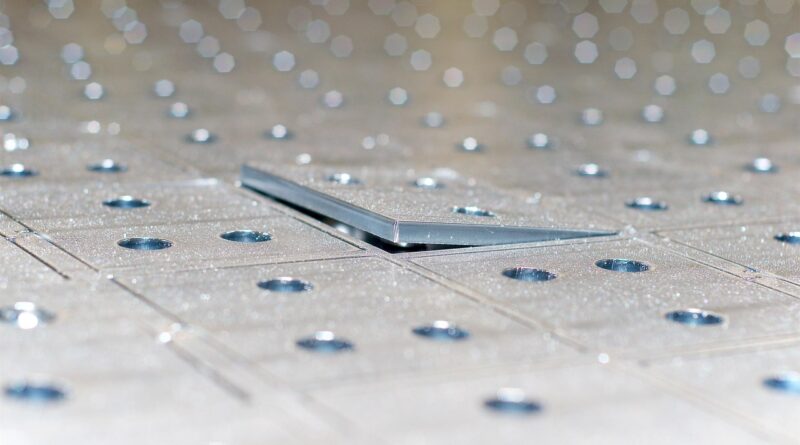
Laser surface treatment of metals covers several shop processes that use a focused beam to harden, melt, clad, peen, or texture the outside layer of a metal part. If you are comparing surface options for machined parts, castings, tooling, or repair work, the Metals & Surfaces section is a good place to start. The point is straightforward: treat the area that takes the wear or load, while the core of the part stays mostly as it was. ASM Handbook coverage of laser surface hardening places the process within established surface engineering and steel heat treatment practice. (dl.asminternational.org)
Laser Hardening for Wear Zones
Laser hardening heats a steel surface in a small area, and then the body of the part draws the heat away. On the right carbon and alloy steels, this fast self-quench can form a hard martensitic layer. Shops use it on gear teeth, guide rails, cutting edges, bearing seats, and sliding faces where wear begins at the surface, not deep inside the part.
Laser Peening for Fatigue Control
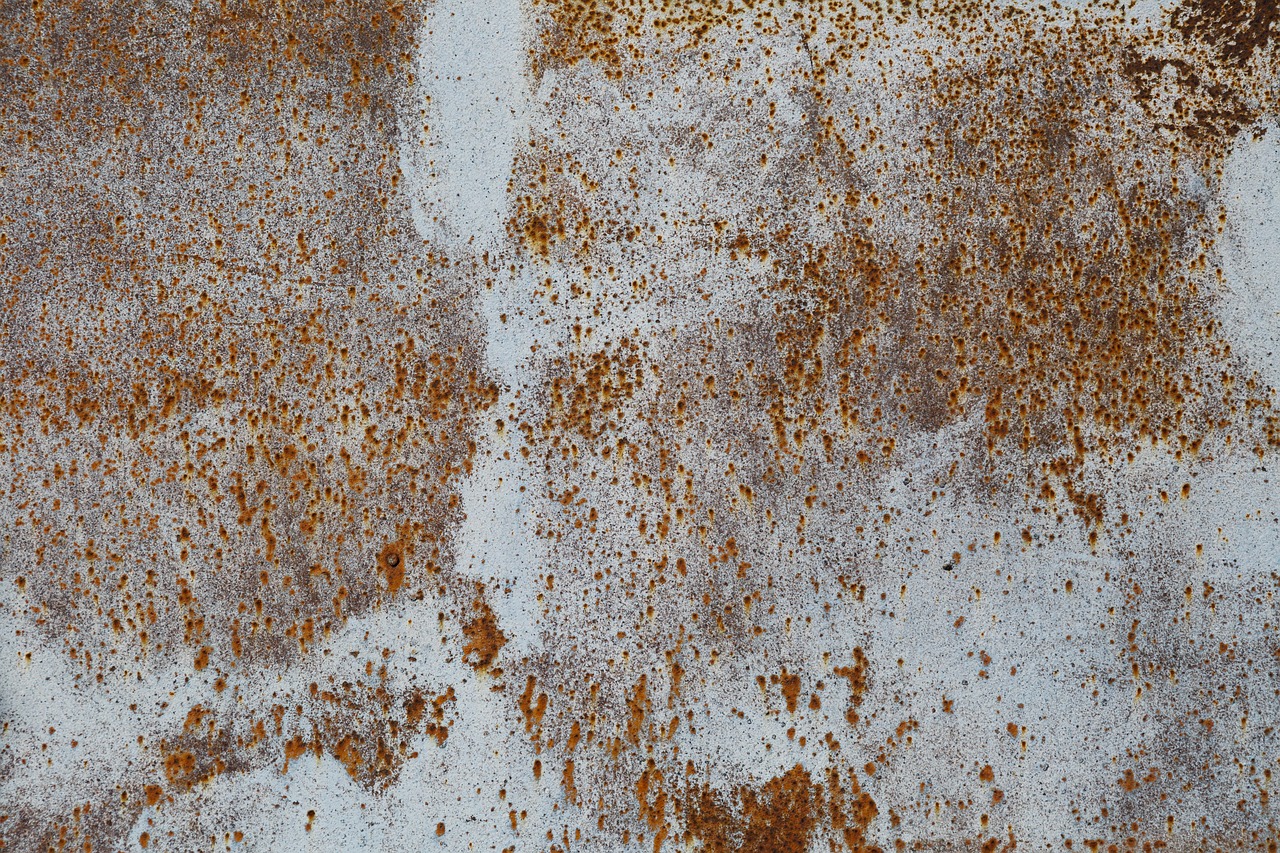
Laser peening works in another way. It uses a short pulse to make a shock wave, and that leaves compressive residual stress near the surface. For public data, a 2002 NASA Technical Reports Server study on 4340 steel and 2024-T3 aluminum reported crack growth life 2 to 4 times greater than unpeened averages after peening, especially while cracks were still short. (ntrs.nasa.gov)
Laser Cladding for Repair and Build-Up
Laser cladding feeds powder or wire into a melt pool, so a bonded layer is added to worn or undersized metal. It is used on shafts, molds, valve seats, turbine parts, and faces that see corrosion. The target may be build-up, wear resistance, corrosion resistance, or a mix of these. It is still not just filler metal; dilution, cracking risk, and machining allowance have to be checked before production.
Why Does a Laser Change Metal Surfaces So Precisely?
A laser puts high energy into a small spot. That is why the process behaves differently from furnace treatment, flame hardening, or heavy weld overlay. You are not heating a full batch just to change one working surface. Instead, you guide heat, pulse pressure, or added alloy to the area where the drawing and the service history show the part has trouble.
Focused Energy and Short Heat Time
A small beam can treat a narrow track, a shoulder, a bore edge, or a tooth flank. For a local feature, cycle time is often counted in seconds rather than hours in a furnace load. The heat input is also easier to place. For a buyer, that can mean less masking, fewer unwanted property changes, and a cleaner route from sample to production.
Controlled Microstructure Near the Surface
Surface performance comes from microstructure. In hardenable steel, laser heating and fast cooling can raise hardness close to the surface. In peened parts, plastic strain can put the surface into compression. In cladded parts, the added alloy can place cobalt, nickel, carbide, or stainless chemistry where the old surface failed.
Lower Heat Spread Than Furnace Treatment
Lower heat spread often means less distortion, but it does not mean no movement at all. Thin parts, sharp corners, and high-carbon alloys can still move or crack if the process window is wrong. A capable supplier should discuss fixturing, preheat, overlap, post-treatment grinding, and inspection before promising a production result.
Which Metals Benefit Most from Laser Surface Treatment?
The right candidates are not picked by metal name only. You need the grade, previous heat treatment, part size, surface finish, service load, and the way the part failed. A soft low-carbon steel, a hardened tool steel, and a titanium bracket may all use lasers, but the process route will not be the same.
Carbon and Alloy Steel Parts
Carbon and alloy steels are good candidates for laser hardening when they have enough carbon to transform. Shafts, cams, rails, dies, gears, and wear plates are common examples. If the core toughness is already suitable, local hardening can improve wear life without making the full part brittle. Ask for a hardness traverse, not only one surface hardness number.
Aluminum and Titanium Components
Aluminum and titanium are usually treated for fatigue, repair, or surface modification rather than classic hardening. A published study on 7085-T7651 aluminum reported laser-peened fatigue life gains of 5 to 14 times for non-anodized specimens and 8 to 9 times for anodized specimens, depending on stress level. That is useful data, but it belongs to that tested alloy and condition. It should not be applied to every aluminum part without checking the actual job. (sciencedirect.com)
Nickel Alloys and Tooling Surfaces
Nickel alloys and hot-work tooling can benefit from cladding, peening, or surface remelting. These parts often work under heat, oxidation, impact, or rolling contact. Cost is the catch. Laser work makes sense when downtime, scrapped tooling, or part replacement costs more than a controlled surface process, while a cheap bracket usually does not need it.
How Does Laser Treatment Compare with Traditional Surface Methods?
The fair question is not whether lasers are always better. They are not. The real question is whether a laser gives better control, lower distortion, cleaner repair, or longer service life on a certain part. Traditional methods still win when the shape is simple, tolerance is loose, and piece price is the main concern.
Laser Hardening vs Induction Hardening
Induction hardening is fast and well proven for shafts, gears, and symmetrical parts. Laser hardening often has an advantage on small zones, complex paths, edges, and areas close to features that must stay soft. It can also cut down on coil tooling. Induction may still be the better route for large runs with simple round geometry.
Laser Peening vs Shot Peening
Shot peening is common, lower cost, and accepted in many plants. Laser peening costs more, but it can make deeper compressive stress profiles and avoids shot media contamination. For aircraft, turbine, and high-strength parts, that depth can matter. A NASA result showing 2 to 4 times crack growth life after peening is a useful public benchmark, although your own part still needs testing.
Laser Cladding vs Weld Overlay
Weld overlay is tough and familiar to many repair shops. Laser cladding usually gives a smaller heat-affected zone, lower dilution, and better control over thin build-up. It is a good option when you need a hard or corrosion-resistant layer with less machining stock. Even so, powder cost, laser time, and programming can make it too costly for rough, low-value repair work. See also: Bolts & Fasteners.
What Process Settings Should You Check Before Production?
Good laser surface work is not sold by beam power alone. The working recipe includes material, heat input, travel speed, spot size, pulse energy, overlap, shielding, and inspection. If a supplier cannot explain these controls in plain terms, slow down. A good-looking sample coupon is not the same as a stable production run.
Material Grade and Starting Condition
Start with the actual grade and heat lot, not a loose label such as stainless steel or tool steel. Previous hardening, carburizing, nitriding, cold work, plating, and weld repair can all change the laser response. Surface oil, oxide, or scale can also affect absorption. Cleaning sounds basic, but it prevents expensive rework.
Power Speed Spot Size and Shielding
For cladding and directed energy deposition, NIST describes laser power, shield gas flow rate, particle flow rate, and stand-off distance as process variables that influence the gas flow environment as metal is deposited. The shop lesson is simple: beam settings and delivery conditions need to be recorded during the job. They should not be guessed after the parts are finished. (nist.gov)
Testing Hardness Roughness and Residual Stress
Inspection should match the reason you chose the process. For wear, check hardness depth, microstructure, cracks, and surface roughness. For fatigue, residual stress and surface finish matter more than a nice photo. For cladding, test bond quality, dilution, porosity, chemistry, and final dimensions after grinding or machining.
When Is Laser Surface Treatment Worth the Cost?
There is no reliable public cost number that fits every metal, alloy, shape, shop rate, and country. A single price per square inch would mislead buyers. A better rule is simple: look closely at laser treatment when the treated surface controls failure, the base part has value, and replacement causes real cost or delay.
High Value Parts with Local Wear
Think of a mold edge that wears first, a shaft seal land that scores, or a machine rail that galls in one strip. Treating the whole part may waste time and money. Treating the local surface can extend service life while keeping the original steel, machining time, and geometry. This is where lasers often pay for themselves.
Fatigue Critical Components
Fatigue-critical components need close control because a small surface crack can turn into a serious failure. Oak Ridge National Laboratory publication data on CMSX-4 single-crystal nickel superalloy reported fatigue strength improvement of 2:1 after high-energy laser peening in additional tests. That example supports the value of laser peening for demanding parts. It also shows why validation by alloy, condition, and loading is needed. (impact.ornl.gov)
Repair Instead of Replacement
Laser cladding can be a practical choice when a part is costly, long-lead, or hard to buy again. Instead of scrapping a worn component, you can add material, machine it back, and put it back into service. The cost check should include incoming inspection, crack removal, pre-machining, cladding, finish machining, and final testing.
FAQ
Q1: Can Laser Surface Treatment Replace Heat Treatment? A: Sometimes, but not always. Laser hardening treats a local surface. It does not replace core hardening, stress relief, or full-section heat treatment when those properties are needed through the whole part.
Q2: Is Laser Surface Treatment Suitable for Stainless Steel? A: Yes, but the target matters. Martensitic stainless grades may be hardened. Austenitic stainless grades are more often cladded, textured, remelted, or treated for corrosion and wear behavior rather than classic hardening.
Q3: How Deep Is the Treated Layer? A: Depth depends on alloy, beam settings, travel speed, and the selected process. Do not accept a loose claim. Ask for a cross-section, hardness traverse, and acceptance range on the drawing.
Q4: Does Laser Treatment Change Part Dimensions? A: It can. Laser hardening and peening may cause small movement. Laser cladding adds material on purpose, then usually needs grinding or machining. Tight-tolerance parts should be measured before and after treatment.
Q5: What Should You Send for a Quotation? A: Send the alloy grade, drawing, annual quantity, worn area, target hardness or service goal, current failure photos, tolerance limits, and any banned processes. Clear input helps the supplier quote the job with fewer surprises.


