

Are Axminster Power Tools Worth It for Serious Workshop Buyers?
Axminster power tools come up often when buyers want workshop gear that can do regular work without making the buying process too drawn out. If you work with timber, sheet metal, fittings, fixings, or general fabrication, the tool choice changes the speed of the job, the finish, safety, and the small problems that show up during a normal day. For more tool buying guides and workshop advice, visit the Tools & Power section.
This guide looks at Axminster power tools from a buyer’s point of view, not from a catalogue page. It covers where the range fits, what to compare before purchase, how cordless and corded tools differ, and which safety points need checking. Public information from Axminster Tools, OSHA, and the UK Health and Safety Executive is referenced by source name only, with no external links added.
Why Do Axminster Power Tools Get Attention from Workshop Buyers?
Axminster is not just a name seen in hobby woodworking forums. It is also tied to workshop machinery, accessories, dust extraction, sharpening, sanding, routing, drilling, and site-ready power tool categories. That wide range matters because most buyers are not looking for one tool in isolation. In day-to-day work, you usually need cutters, abrasives, batteries, extraction, clamps, guards, and spare parts that fit the same way of working.
A Broad Corded and Cordless Range
According to Axminster Tools’ public power tool category information reviewed in July 2026, its range includes 12V cordless, 18V cordless, corded tools, drills, drivers, saws, sanders, polishers, routers, trimmers, grinders, extraction products, batteries, chargers, and power tool accessories. That gives a buyer enough room to build a small kit over time instead of buying every item from a different place.
For a home workshop, this may mean a cordless drill driver, a random orbital sander, a trim router, and a dust extractor. For a trade bench, it may mean a corded saw for repeat cuts, a cordless impact driver for fixings, and sanding gear for finishing. It is not flashy, but this is the kind of setup that gets used every week.
Workshop Focus Over Pure Jobsite Hype
Some power tool brands put most of their message around heavy jobsite use. Axminster has more of a workshop feel, especially with woodworking and small fabrication users. That does not mean every tool is light duty. It means the buying decision often comes back to cut quality, dust control, bench layout, repeat work, and accessory fit.
If you cut hardwood trim, drill cabinet hardware, sand panels, or shape edges, small details matter. A tool that tracks straight, takes common accessories, and connects properly to extraction can save more time than a big torque number on a box.
Clear Fit for Serious DIY and Trade Use
Axminster’s own public wording describes its power tool range as suitable for DIY users, tradesmen in the workshop, and site work. That gives a fair clue about the market position. These tools sit between light occasional use and jobs that need more regular output.
A serious DIY buyer may care about storage, safe setup, and long service life. A trade buyer may look harder at downtime, battery stock, and repeatable performance. Both groups still need to check the same basics: power, control, warranty terms, accessory supply, and parts support.
Which Axminster Power Tools Should You Check First?
Buying power tools can get confusing when every job feels urgent. A better way is to start with the tools that touch the most tasks. In many workshops, drilling, cutting, sanding, routing, and extraction are near the top of the list. After that, the right choice depends on the material, job volume, and how the bench is set up.
Drills and Drivers for Daily Fixing Work
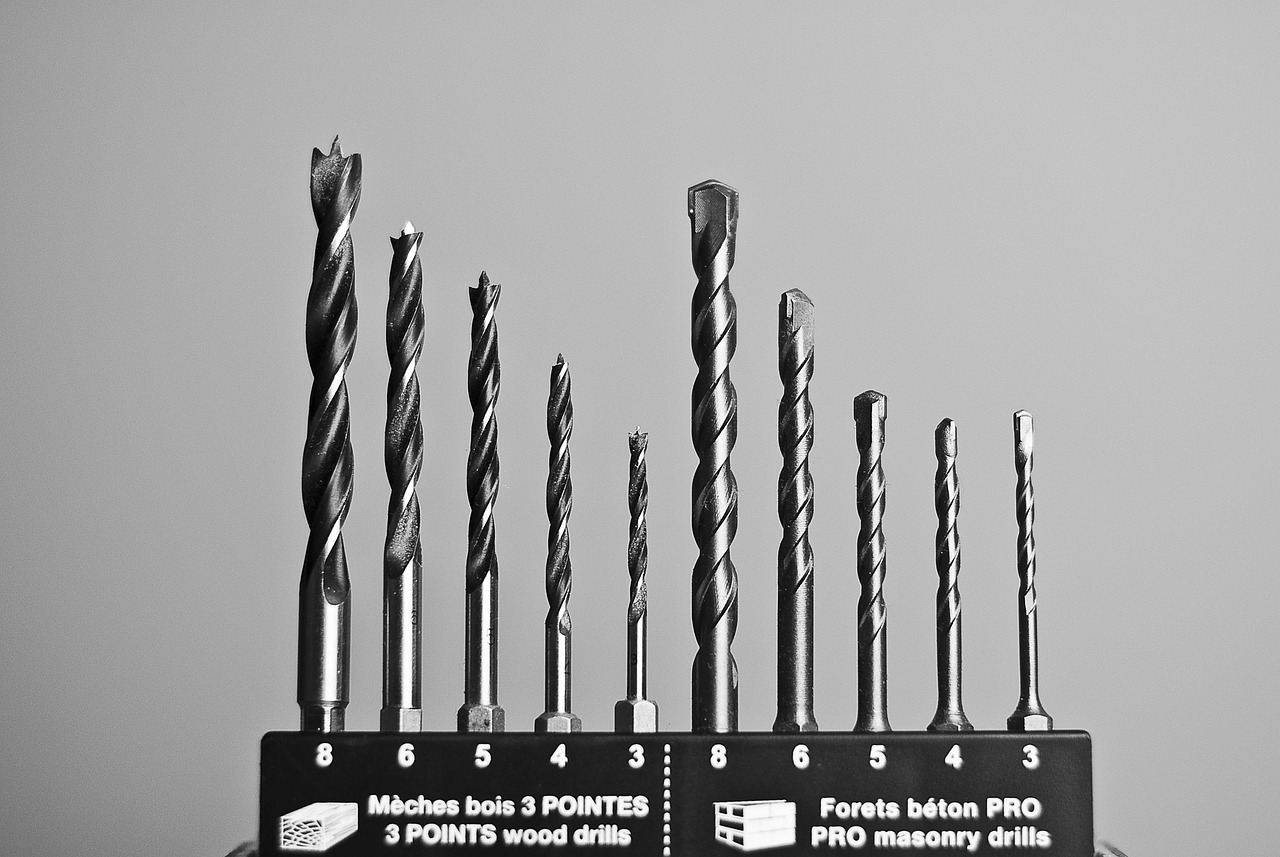
A drill driver is usually the first tool worth judging closely. Check chuck size, clutch settings, speed range, weight, battery platform, and grip shape. A tool can show strong torque on paper and still be tiring if the handle is too thick or the balance feels wrong.
For cabinet assembly, metal brackets, hinges, decking screws, or general maintenance, control matters as much as power. A clean clutch setting helps stop stripped screws. A compact body reaches between studs or inside a cabinet carcass. These small features may look boring at purchase time, but they matter late in the week.
Saws for Clean and Repeatable Cuts
Saws need a closer check because they carry more risk and affect finish quality very quickly. Look at blade size, guard movement, base stiffness, bevel scale, depth adjustment, dust port shape, and compatible blades. A weak base or poor sight line can spoil good material before you notice the problem.
OSHA’s machine guarding guidance states that guards help protect operators from hazards such as rotating parts, flying chips, and sparks. That point is not limited to large factory machines. Handheld saws, chop saws, and bench tools all need guards that move freely and return as they should.
Sanders, Routers, and Extraction for Finish Quality
Sanding and routing often decide whether the finished job looks like trade work or a rushed repair. A sander should run smoothly, take widely available abrasives, and connect well to dust extraction. A router should have stable plunge or depth control, enough power for the cutter size, and a base that stays flat.
Dust control is not only about keeping the bench clean. Fine dust can affect lungs, visibility, switches, bearings, and the final finish. If a sander throws dust everywhere, you pay for it later with cleanup, clogged paper, and poor coating results.
How Should You Compare Cordless and Corded Axminster Power Tools?
Cordless tools are handy, but corded tools still have a place in a working shop. The better choice depends on trigger time, load, access, and how often the tool leaves the bench. A cordless drill may be right for installation work, while a corded router or sander may suit long, steady runs.
Cordless Tools for Mobility and Fast Setup
Cordless tools are useful when you move around a job, climb steps, work outside, or make short repeated cuts and fixings. There is no extension lead to drag around. There is no cord catching on sheet goods, and you are not looking for a socket behind stacked timber.
Battery platform choice matters here. If several tools share the same 18V batteries, you need fewer chargers and less space on the bench. For lighter tasks, 12V tools can feel easy to handle. For heavier drilling, cutting, and driving, 18V is usually the more useful base.
Corded Tools for Long Sessions and Steady Output
Corded tools still make sense for routers, polishers, grinders, circular saws, and sanders used for long periods. They avoid battery drop-off and reduce the need for spare packs. In a fixed workshop, the cord is often a fair trade for steady power.
Think about sanding a tabletop for a full afternoon. A cordless sander can do the job, but battery changes break the rhythm. A corded sander with proper extraction may look less current on paper, yet it can be the easier choice when the work is continuous.
Battery Planning for Real Workdays
Do not buy cordless tools without counting batteries first. Two small packs may be fine for weekend assembly. A busy installer may need larger packs, a fast charger, and a clear rotation plan. Heat also matters because hard cutting and drilling can warm packs quickly.
A useful kit often has one compact battery for overhead work and one or two higher-capacity packs for heavier tools. That keeps the drill lighter while giving saws and grinders enough runtime. It also stops the whole job from waiting on one flat battery. See also: Bolts & Fasteners.
What Safety Points Matter Before You Buy?
A power tool purchase should not be judged by speed alone. Safety features, vibration, dust control, grip, noise, and guarding all affect long-term use. Even a good tool becomes risky with the wrong disc, a dull blade, a loose workpiece, or poor footing.
Guarding and PPE Are Not Optional Extras
OSHA 29 CFR 1926.300 says employees using hand and power tools must be protected from hazards such as flying, abrasive, splashing objects, harmful dusts, fumes, mists, vapors, or gases with suitable personal protective equipment. For workshop buyers, that means eye protection, hearing protection, respiratory protection, and guards should be planned before the tool is switched on.
When comparing Axminster power tools, check whether guards adjust easily, lock firmly, and return without sticking. A guard that feels awkward is more likely to be used badly or removed. That is a real workshop issue, not just a safety note in a manual.
Vibration Exposure Needs a Time Limit
The UK Health and Safety Executive states that hand-arm vibration can come from hand-held power tools and may affect nerves, blood vessels, muscles, and joints. HSE guidance for the Control of Vibration at Work Regulations lists a daily exposure action value of 2.5 m/s² A(8) and an exposure limit value of 5.0 m/s² A(8).
Those figures do not choose the tool for you, but they explain why trigger time matters. A grinder used for five minutes is not the same as a breaker, sander, or needle scaler used for hours. Check manufacturer vibration data, use sharp accessories, avoid forcing the tool, and rotate tasks when the job allows it.
Dust, Noise, and Kickback Deserve Respect
Dust extraction ports, soft-start motors, electronic brakes, anti-kickback features, and stable handles all help. They do not replace care or training. They simply reduce the chance that one awkward cut turns into an injury or damaged material.
For cutting sheet materials, clamp the work. For drilling metal, use the right bit speed and cutting fluid when suitable. For grinding, match the disc to the material and never use a damaged wheel. These habits are basic, and basic mistakes still cause a lot of trouble.
How Can You Judge Long Term Value Without Brand Hype?
Tool value is not just the shelf price. It is the cost of doing clean work, safely, with less rework and fewer stoppages. No reliable public dataset was found that ranks Axminster against every major global power tool brand by verified failure rate, so value should be judged through specifications, parts access, warranty terms, accessory availability, and the work you actually do.
Total Cost Beyond the Tool Body
A bare tool can look cheap until batteries, chargers, blades, sanding discs, guide rails, dust bags, cases, and spare parts are added to the order. Before buying, price the full setup. A drill without bits, a saw without the right blade, or a sander without quality abrasives is only partly useful.
Also count waste. A poor cut in hardwood or stainless trim can cost more than the saving made on a cheaper tool. For repeat workshop work, accuracy often pays back quietly over many jobs.
Accessories and Consumables Make the Tool Useful
Power tools rely on consumables. Blades, bits, discs, sanding sheets, collets, batteries, brushes, filters, and extraction hoses all affect the result. A good tool with the wrong accessory can behave like a poor tool.
For Axminster power tools, check accessory compatibility before purchase. Standard sizes are easier to replace during busy work. Odd sizes may still make sense for a specialist task, but they can be a problem when a job has to be finished the same day.
Maintenance Habits That Extend Service Life
Keep vents clear, empty dust bags, clean filters, inspect cords, wipe battery contacts, and store tools dry. Let hot tools cool before packing them into a case. Do not throw a router in with loose cutters unless chipped edges sound like a good idea, which they do not.
For trade use, a simple inspection routine helps: check guards, switches, plugs, batteries, discs, blades, and abnormal noise before work starts. It takes a few minutes and can prevent downtime. A tool that is looked after usually gives cleaner cuts, safer handling, and fewer surprises.
FAQ
Q1: Are Axminster power tools good for professional workshops? A: They can suit many professional and semi-professional workshops, especially where woodworking, sanding, routing, drilling, and dust extraction matter. Compare each tool’s duty level, warranty, accessories, and service support before buying.
Q2: Should you choose cordless or corded Axminster power tools? A: Choose cordless for mobility, quick setup, and installation work. Choose corded for long cutting, routing, sanding, or grinding sessions where steady power and no battery changes matter more.
Q3: What should you check before buying an Axminster drill or driver? A: Check torque range, clutch settings, chuck size, battery platform, grip comfort, weight, speed control, and whether spare batteries and chargers fit your wider tool plan.
Q4: How important is dust extraction with power tools? A: It is very important. Dust affects visibility, finish quality, tool life, and respiratory safety. Sanders, routers, saws, and grinders should be paired with suitable extraction or collection where possible.
Q5: Is there public data proving Axminster is better than every competing tool brand? A: No reliable public dataset was found that proves that kind of broad ranking. A fair decision should use verified specifications, safety guidance, accessory availability, support, and the type of work you do most often.


