
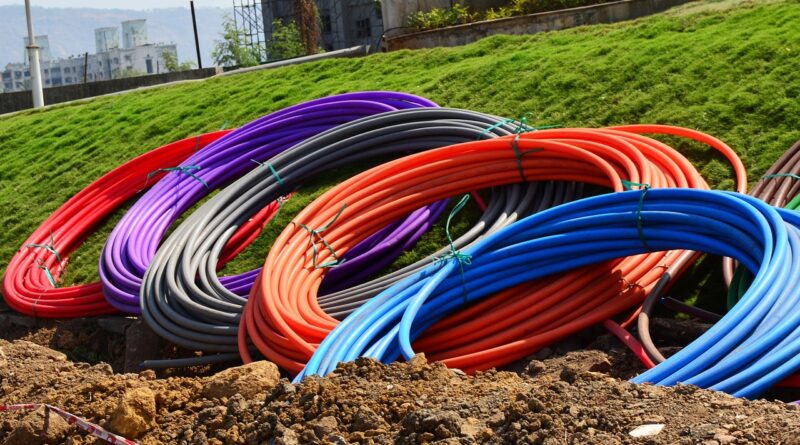
How Can You Choose Conduit Pipe Fittings without Costly Site Rework?
Why Do Conduit Pipe Fittings Matter So Much?
Conduit pipe fittings may seem like small items on a purchase list, but they decide how an electrical raceway connects, turns, enters a box, and holds up on site. If you source conduit pipe fittings for commercial buildings, factories, warehouses, parking areas, or outdoor utility work, the right choice helps cut rework, avoid loose joints, and keep installers working instead of looking for a missing bushing late in the day.
Small Parts That Protect the Whole Run
A conduit run is only as good as its joints and end points. Couplings join sections, connectors fix conduit to boxes or enclosures, bushings protect wire insulation at openings, and locknuts keep fittings tight after vibration, pulling, and normal service. A low-cost fitting may look acceptable in a carton, but it can still waste labor if the threads are rough, the zinc coating is uneven, or the connector does not sit flat against a knockout.
Fire Data That Puts Details in Context
Public fire data does not compare conduit fitting brands, and it should not be used that way. It does show why careful electrical work matters on real projects. NFPA Research reported in February 2022 that U.S. home fires involving electrical distribution and lighting equipment averaged 32,620 fires, 430 civilian deaths, 1,070 injuries, and $1.333 billion in direct property damage per year during 2015 to 2019. In the same report, wiring and related equipment accounted for 22,210 of those fires, or 68 percent. The point for buyers is simple: every raceway part should help keep wiring clean and protected, not turn into the weak point.
Safety Language That Shapes the Job
OSHA states that electrical standards are meant to protect workers from shock, electrocution, fires, and explosions. UL 514B, revised in March 2024, covers conduit, tubing, and cable fittings for use with electrical systems installed under recognized electrical codes. For a buyer, this means a fitting is not just a metal sleeve or small accessory. Its listing, marking, material, and fit need to match the conduit and the job environment.
Which Types of Conduit Pipe Fittings Should You Compare?
Before comparing prices, sort the fittings by job use. A clear bill of materials normally separates straight-run joining parts, direction-change parts, box-entry parts, and protection parts. This helps avoid a common buying problem: ordering the right trade size but the wrong fitting style.
Couplings and Connectors for Straight Runs
Couplings connect conduit to conduit. Connectors connect conduit to an electrical box, cabinet, panel, or junction enclosure. Threaded rigid metal conduit often uses threaded couplings, while EMT usually uses set-screw or compression fittings, based on the location and project spec. If installers expect compression fittings and receive set-screw fittings, the work may stop even when the nominal size is right. This kind of small mix-up happens more often than buyers want to hear.
Elbows and Conduit Bodies for Direction Changes
Elbows and bends help a raceway turn corners. Conduit bodies, such as LB, LL, LR, and T styles, add access points for wire pulling and direction changes. They are useful in tight corners, exterior walls, machine rooms, and service entries. For long pulls, access is not an extra feature; it can help protect conductors from damage and save a crew from struggling with the same pull for hours.
Bushings Locknuts Hubs and Sealing Fittings
Bushings smooth the edge where conductors enter or leave conduit. Locknuts clamp a connector to an enclosure, and hubs help form a firm entry point on panels or boxes, especially outdoors. Sealing fittings are used where moisture, gases, vapors, or special area rules require added barriers. The exact installation setting should be confirmed because a dry indoor connector and a wet-location hub are made for different jobs.
How Should You Match Fittings to Conduit Material?
Material matching is where many sourcing mistakes start. A conduit system may include galvanized rigid steel, IMC, EMT, PVC, flexible metal conduit, or liquid-tight flexible conduit. Each type has its own fitting family, and some fittings look close to each other in catalog photos. Ask for drawings, material descriptions, and listing details before approving bulk orders.
Galvanized Steel for Heavy Duty Runs
Rigid metal conduit and IMC are often used where impact resistance, exposed routing, or strong mechanical protection is needed. Galvanized steel fittings should have clean threads, steady wall thickness, and coatings that do not flake during normal handling. For coastal sites, chemical plants, and outdoor industrial yards, ask about corrosion resistance before placing the order. A shiny fitting in a sample box does not always show how it will look after months of salt air or plant exposure.
EMT and IMC for Commercial Builds
EMT is widely used in commercial interiors because it is lighter than rigid conduit and quicker to install. NEMA FB 2.10-2021 is an active industry publication that gives guidance for selecting and installing fittings for rigid metal conduit, IMC, and EMT in line with the NEC. The buying point is straightforward: match the fitting type to the conduit type and the installation rule. Then confirm whether the project calls for compression, set-screw, rain-tight, or another style.
PVC and Liquid Tight Parts for Wet or Flexible Runs
PVC conduit fittings are common for underground, corrosive, and nonmetallic raceway work. Liquid-tight fittings are used where flexible conduit needs moisture resistance, such as HVAC equipment, pumps, motors, rooftop units, or machine connections. Check the temperature range, gasket material, thread style, and whether the fitting is listed for the exact conduit type. Flexible sections move a little during service, so a weak grip usually shows up fast.
What Specifications Help You Avoid Rework?
A good purchase order should read like a clear installation note. It should tell the supplier more than size and quantity. Include conduit type, fitting style, material, finish, listing needs, package quantity, and any project standard. If a local inspector, engineer, or authority having jurisdiction has a preference, put it in writing before production starts.
Trade Size Thread Style and Box Entry Fit
Trade size must match the conduit and the box entry. Threaded fittings need thread quality that starts by hand and tightens without cross-threading. Box connectors must fit knockouts without wobble. For export orders, confirm whether the project uses U.S. trade sizes, metric references, or a mixed schedule. A 1 inch item in one market may be described in another way on a drawing from a different country. See also: Bolts & Fasteners.
Environment Ratings and Corrosion Limits
Indoor dry runs, outdoor walls, underground feeds, washdown rooms, and rooftop equipment all need different checks. Ask whether the fitting will face rain, burial, oil, chemical spray, cement dust, or marine air. Also confirm whether the area needs a rain-tight, concrete-tight, liquid-tight, or corrosion-resistant fitting. These terms should not be treated as sales wording because they guide the actual product choice.
Listings Markings and Paperwork
Markings and documents help site teams show that the supplied parts match the project. UL 514B covers many categories, including locknuts, bushings, conduit bodies, entrance elbows, and fittings for EMT, flexible metal conduit, liquid-tight flexible conduit, IMC, and rigid metal conduit. Ask for certificates, test references, catalog sheets, and packaging labels before shipment. If reliable public data is not available for a brand-level performance claim, do not treat that claim as fact.
How Can Buyers Judge Quality before Shipment?
Most quality problems are easier to catch before the pallet leaves the factory. You do not need a laboratory for every order, but you do need a clear inspection checklist. Photos, samples, and random checks cost far less than rejected cartons on site.
Visual Checks That Catch Rough Parts
Look for burrs, sharp edges, cracked castings, poor threads, thin locknuts, damaged gaskets, and coating defects. Run a finger around bushings and openings, carefully, because wire insulation will touch those same areas later. Threads should start cleanly by hand, and set screws should not strip under normal tightening. For die-cast fittings, check that the body is complete and not porous in key areas.
Packaging That Protects Threads and Seals
Packaging may seem like a small matter until one carton of dented fittings holds up a crew. Thread protectors, inner bags, dividers, moisture control, and readable labels all help during sea freight and warehouse handling. Mixed sizes should be separated in a clear way. If fittings include rubber seals or gaskets, the packaging should keep them clean, seated, and away from deformation.
Supplier Questions That Save Site Time
Ask direct questions before you place the order. Which conduit types does this fitting match? Is it suitable for wet locations? What standard or listing applies? Can the supplier provide marked samples? What is the normal carton quantity and pallet weight? Can the label show trade size, material, and product code? These questions are basic, but they catch costly mistakes before the goods reach the site.
FAQ
Q1: What Are Conduit Pipe Fittings? A: They are parts used to join conduit, connect conduit to boxes, change direction, protect wire entry points, or seal and support an electrical raceway.
Q2: Are EMT Fittings and Rigid Conduit Fittings Interchangeable? A: Usually no. EMT, IMC, and rigid conduit have different fitting styles and installation rules. Always match the fitting to the conduit type and project specification.
Q3: Which Fittings Are Best for Outdoor Use? A: Outdoor work often needs rain-tight, corrosion-resistant, or gasketed fittings, depending on exposure. The right choice depends on rain, sunlight, chemicals, salt air, and the enclosure entry.
Q4: What Documents Should You Request from a Supplier? A: Ask for product drawings, material details, listing or standard references, catalog sheets, packaging labels, and sample photos before shipment.
Q5: How Can You Reduce Rework When Buying in Bulk? A: Confirm conduit type, trade size, fitting style, location rating, marking, packaging, and inspection steps in the purchase order. Clear details beat guesswork every time.


