
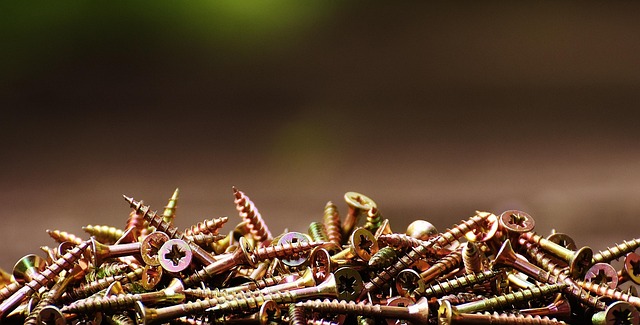
Could Screw Pan Head Design Be Linked To The Security Camera Recall
Over 320,000 Security Cameras Recalled After Fire, Explosion Reports
More than 320,000 security cameras have been recalled worldwide after multiple reports of overheating, fire, and even small explosions. The recall highlights deeper engineering issues that stretch beyond faulty power circuits—pointing to mechanical stress factors such as screw pan head design and material inconsistencies. Experts suggest that improper assembly torque and poor grounding may have amplified thermal risks in confined electronic housings. This event has become a case study for how component-level design can directly influence product safety in consumer electronics.
Overview of the Security Camera Recall
The recall of these devices has triggered concern across manufacturers, retailers, and safety regulators. While most recalls stem from electronic faults, this one underscores how small mechanical details can cascade into large-scale hazards.
Scale and Scope of the Recall
Over 320,000 units spanning several models were pulled from distribution channels across North America, Europe, and Asia. The affected batches include both wired and wireless variants used in residential and commercial surveillance systems. Regulatory bodies coordinated with manufacturers to issue joint safety notices urging users to disconnect affected cameras immediately. Distribution partners have been instructed to halt sales pending inspection results.
Reported Causes Leading to the Recall
Preliminary investigations point toward overheating caused by electrical short circuits within the camera’s internal power regulation system. Engineers identified that certain components near the voltage converter exhibited abnormal temperature spikes during extended operation. Material composition and assembly quality are currently under review, as early findings indicate potential mechanical constraints around screw junctions that may have limited heat dissipation. Some units also showed signs of insulation breakdown consistent with long-term thermal stress.
Understanding Screw Pan Head Design in Electronic Assemblies
In compact electronics like security cameras, every millimeter counts. The choice of fastener—especially screw pan head types—plays a critical role in structural integrity and heat management within tight enclosures.
Characteristics of Pan Head Screws
A screw pan head features a broad bearing surface with a flat top and rounded edges. This geometry spreads pressure evenly when securing parts such as circuit boards or casings. It allows for efficient torque application during automated assembly while minimizing the risk of cracking delicate substrates. These screws are favored in electronic devices because they offer reliable fastening without protruding excessively above the surface.
Applications in Security Camera Manufacturing
Within security cameras, pan head screws secure printed circuit boards (PCBs), metal shields, and lens assemblies inside compact housings. Their low-profile design supports dense internal layouts where airflow is limited. However, improper torque settings or mismatched materials can introduce stress points on sensitive components like sensors or regulators. A minor deviation during assembly could distort plastic frames or restrict ventilation pathways—conditions known to elevate internal temperatures over time.
Examining the Potential Link Between Screw Design and Safety Failures
Investigators are exploring whether mechanical fastening choices contributed indirectly to overheating incidents. The interaction between structural stress, heat buildup, and electrical continuity forms a complex web that engineers must untangle carefully.
Mechanical Stress and Heat Dissipation Factors
When pan head screws are tightened beyond specification, they can deform plastic housings or compress PCB layers unevenly. Such deformation may reduce internal air gaps designed for passive cooling around power regulators or lithium batteries. Over time, repeated heating cycles expand these materials differently, creating micro-fractures near screw holes that further trap heat pockets. In enclosed devices lacking active cooling fans, this cumulative effect can push temperatures past safe thresholds.
Electrical Grounding and Conductivity Considerations
In some designs, metallic screws double as grounding links between conductive surfaces. If the wrong alloy or coating is used, resistance increases at contact points—causing localized heating under load conditions. Even a small rise in resistance across multiple joints can generate enough energy to ignite surrounding insulation materials in extreme cases. Engineers now suspect that inconsistent plating thickness on certain batches of screws may have disrupted grounding continuity inside affected camera models.
Material Science Aspects of Screw Pan Head Components
Material selection for fasteners is often treated as routine procurement work but plays a decisive role in product reliability under thermal stress.
Influence of Alloy Composition on Performance
Stainless steel offers corrosion resistance but lower electrical conductivity compared to carbon steel or zinc-coated variants. A mismatch between screw alloy and mating surface can trigger galvanic reactions when moisture enters sealed enclosures—a scenario not uncommon in outdoor cameras exposed to humidity cycles. Variations in hardness also determine how much torque automation tools can apply before stripping threads or deforming sockets during mass production runs.
Surface Treatments and Their Role in Safety Integrity
Surface coatings such as nickel or zinc plating protect against corrosion but alter contact resistance values at grounding interfaces. Poorly applied coatings tend to flake off under repeated thermal expansion cycles, exposing bare metal that oxidizes quickly. Oxidation increases resistance further and may lead to micro-arcing events if current flows intermittently through those junctions. Over months of operation, these microscopic arcs can carbonize nearby plastic insulators—a precursor condition seen in several recalled units.
Quality Control Practices Related to Fastener Integration in Electronics
Manufacturers depend heavily on automated assembly systems where fasteners like screw pan head components are driven by torque-calibrated tools hundreds of times per minute.
Assembly Line Torque Calibration Protocols
Torque calibration ensures each screw is tightened within tolerance limits defined by engineering specifications. Automated drivers equipped with feedback sensors record torque curves for every unit assembled on high-speed lines. When calibration drifts even slightly due to tool wear or operator error, pressure distribution across mounted components becomes inconsistent—leading to possible deformation or vibration-induced loosening later in use.
Inspection Standards for Fastener Reliability Testing
Advanced testing methods now verify fastener integrity before shipment. Vibration tests simulate transport shocks; thermal cycling exposes materials to temperature extremes; humidity chambers check corrosion behavior under moisture exposure. Non-destructive imaging like X-ray scanning reveals hidden cracks around embedded screws without dismantling finished products. Compliance with ISO 898-1 fastener standards provides baseline assurance of mechanical reliability across production lots.
Broader Implications for Product Design and Regulatory Oversight
The recall has prompted renewed attention from safety agencies toward integrating mechanical evaluation into electronic certification processes—a step often overlooked until failures occur.
Lessons for Future Hardware Design Strategies
Cross-functional teams combining electrical engineers with materials scientists could identify potential conflict zones early during prototype stages. Incorporating thermal simulation data alongside structural analysis helps predict where stress concentrations might coincide with heat sources such as power regulators or wireless transmitters. Embedding these insights into design-for-safety protocols will likely become standard practice among leading hardware manufacturers.
Strengthening Industry-Wide Safety Compliance Frameworks
Regulatory bodies may soon demand more granular traceability for mechanical parts used within certified electronics—not just chips or batteries but also fasteners like screw pan head elements that influence overall stability and grounding integrity. Enhanced documentation throughout supply chains would make it easier to isolate defective material batches before reaching consumers rather than after widespread deployment.
FAQ
Q1: Why were over 320,000 security cameras recalled?
A: They were recalled due to reports of overheating leading to fire or explosion hazards traced back to electrical short circuits compounded by mechanical assembly issues.
Q2: How does a screw pan head affect electronic safety?
A: Its broad surface distributes pressure evenly but excessive tightening can restrict airflow or distort circuit boards, raising internal temperatures over time.
Q3: What materials are commonly used for these screws?
A: Stainless steel, carbon steel, and zinc-coated alloys are typical; each offers different balances between strength, conductivity, and corrosion resistance.
Q4: Could poor coating quality cause ignition risks?
A: Yes, flaking coatings increase contact resistance which generates localized heat spots capable of igniting nearby insulation under sustained load conditions.
Q5: What measures prevent similar failures in future designs?
A: Manufacturers now emphasize torque calibration audits, material traceability programs, and cross-disciplinary design reviews combining thermal modeling with structural testing.


