

How Do Anchoring Screws Impact the Longevity of Multivectorial Implants
Influence of the Design of Modern Subperiosteal Multivectorial Anchored Implants on Success and Survival in Complex Patient Cases
Modern subperiosteal multivectorial anchored implants have redefined treatment outcomes for patients with compromised bone structures. Their success largely depends on the mechanical and biological performance of anchoring screws, which serve as the foundation for stability, load transfer, and long-term integration. The interplay between screw geometry, material properties, and surgical precision determines both immediate fixation and enduring osseointegration. In complex anatomical cases, these design factors collectively enhance survival rates by distributing forces efficiently while minimizing bone stress and resorption.
Structural Role of Anchoring Screws in Multivectorial Implant Systems
Anchoring screws form the mechanical backbone of multivectorial implant systems. Their configuration governs how forces are transmitted through bone structures, directly influencing implant longevity and functional performance.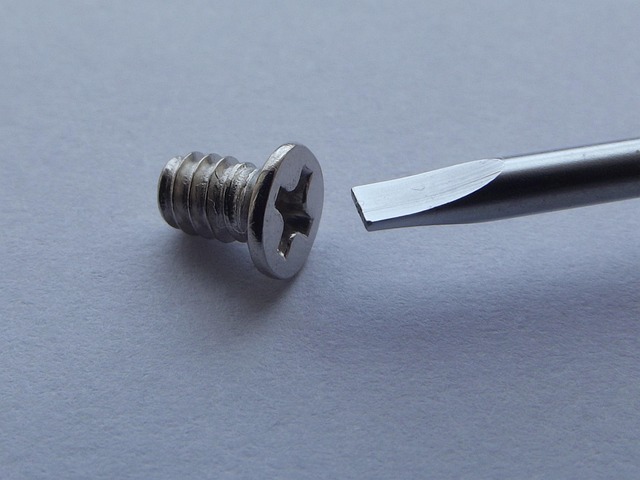
Mechanical Stability and Load Distribution
Anchoring screws provide multidirectional stability by counteracting lateral and vertical forces within the implant framework. This balance is critical to prevent micromovements that could disrupt early healing phases. Proper distribution of occlusal loads reduces micromovements at the bone–implant interface, preserving bone integrity under repetitive mastication cycles. The screw design—particularly thread pitch and depth—dictates how stress is transmitted across cortical and trabecular bone layers, ensuring even load transfer that prevents localized overloading.
Influence on Primary and Secondary Stability
The geometry and surface texture of anchoring screws determine the degree of initial fixation achieved upon insertion. Micro-roughened or treated surfaces improve frictional engagement with bone tissue, which enhances primary stability even in softer substrates. As healing progresses, secondary stability arises through osseointegration promoted by optimized screw-bone contact areas. Placement angles also play a pivotal role; incorrect angulation can lead to uneven stress fields that compromise long-term integration within multivectorial frameworks.
Biomechanical Interactions Between Anchoring Screws and Bone Tissue
The interaction between anchoring screws and surrounding bone defines how biological adaptation occurs over time. Mechanical stimuli from functional loading drive remodeling processes that maintain structural equilibrium.
Stress Distribution and Bone Remodeling Dynamics
Controlled stress transfer stimulates physiological bone remodeling around the anchorage points. This adaptive response maintains density where it is most needed to support functional demands. However, overcompression or uneven loading may induce localized bone resorption, weakening implant support zones. Finite element analysis models reveal how screw dimensions impact stress pathways in complex anatomies such as atrophic ridges or sinus regions, offering predictive insights into optimal configurations.
Material Properties and Their Effect on Longevity
Titanium alloys remain the standard for anchoring screws due to their favorable combination of strength, elasticity, and corrosion resistance. Surface treatments like anodization or sandblasting further enhance biocompatibility and fatigue resistance under cyclic loads. Corrosion resistance minimizes microgap formation that could harbor bacteria or cause galvanic reactions between components. The material’s elasticity modulates energy absorption during masticatory cycles, extending implant lifespan by reducing peak stress concentrations.
Design Parameters Affecting Implant Longevity
Design parameters govern how effectively an implant system performs over years of service. Every geometric choice—from thread shape to spatial orientation—affects both biomechanical behavior and biological response.
Screw Geometry and Thread Configuration
Thread pitch, depth, and taper influence insertion torque requirements as well as pull-out strength once seated. Self-tapping designs simplify placement in dense cortical bone while pre-drilled variants are preferred in delicate regions to avoid microfractures. Microthreaded necks can reduce crestal bone loss by minimizing shear stresses near cortical margins where resorption risk is highest.
Number and Spatial Orientation of Screws in Multivectorial Frameworks
Multiple anchoring vectors distribute functional loads across broader bone surfaces, reducing concentration points that could lead to fatigue failure. Strategic angulation improves retention in atrophic ridges or irregular topographies by aligning load paths with stronger cortical zones. Redundant anchorage points add mechanical resilience under dynamic conditions such as chewing asymmetry or parafunctional habits.
Surgical Considerations for Optimal Anchoring Screw Performance
Beyond design characteristics, surgical execution determines whether theoretical advantages translate into clinical success. Precision planning ensures safe placement while maintaining intended biomechanical goals.
Preoperative Planning and Anatomical Assessment
Three-dimensional imaging facilitates identification of optimal insertion sites avoiding critical structures like nerves or sinuses. Bone density mapping assists in selecting appropriate screw diameter and length suited to each region’s quality. Virtual surgical planning aligns screw trajectories with prosthetic load directions to achieve balanced force distribution throughout the framework.
Insertion Techniques and Torque Control
Controlled torque application prevents microfractures or excessive compression of cortical layers during insertion. Sequential drilling protocols maintain thermal safety during osteotomy preparation by minimizing heat buildup that could impair osseointegration potential. Verification of screw seating ensures uniform load sharing within multivectorial constructs once prosthetic components are attached.
Biological Integration and Long-Term Maintenance Factors
Mechanical fixation alone cannot guarantee success; biological harmony between implant materials and host tissues is essential for enduring function without complications.
Osseointegration Quality Around Anchoring Screws
Surface roughness enhances osteoblastic activity at the screw interface by increasing available area for cell attachment. Stable microenvironments support vascularization essential for sustained bone health around anchorage zones. Periodic monitoring detects early signs of marginal bone loss or peri-screw inflammation before structural compromise occurs.
Influence of Periosteal Reactions on Implant Survival Rates
Subperiosteal tissue adaptation determines long-term biomechanical equilibrium between hard and soft tissues surrounding implants. Chronic tension or inadequate vascular supply can compromise integration zones leading to fibrous encapsulation instead of true osseointegration. Maintenance protocols focusing on soft tissue health—such as plaque control or regular cleaning—contribute significantly to overall implant longevity.
Future Directions in Anchoring Screw Technology for Multivectorial Implants
Advances in materials science and digital workflows continue to refine how anchoring screws perform within complex reconstructive systems.
Innovations in Surface Engineering
Nanostructured coatings promote faster osseointegration while resisting bacterial colonization through enhanced surface energy characteristics. Bioactive layers incorporating calcium phosphate compounds create chemical bonds with native bone minerals, improving early fixation strength without compromising long-term stability.
Digital Workflow Integration for Precision Placement
Computer-guided navigation systems improve accuracy when working within anatomically challenging regions such as posterior maxillae or thin mandibular ridges. AI-assisted planning tools predict optimal vector configurations tailored to individual patient morphologies for balanced load management across all anchorage points.
FAQ
Q1: Why are anchoring screws crucial in multivectorial implant systems?
A: They provide primary mechanical stability by distributing forces evenly across multiple directions, preventing overload at any single point.
Q2: How does surface treatment affect osseointegration?
A: Roughened or bioactive surfaces enhance cell adhesion, accelerating integration between titanium alloy screws and surrounding bone tissue.
Q3: What role does torque control play during insertion?
A: Proper torque ensures tight fit without damaging cortical structures; excessive force can cause microcracks that hinder healing.
Q4: Can digital planning improve surgical outcomes?
A: Yes, 3D-guided navigation allows precise placement relative to anatomical landmarks, reducing risks associated with manual estimation.
Q5: Which factors most influence long-term survival rates?
A: Balanced load distribution, biocompatible materials, controlled surgical technique, and consistent maintenance all contribute equally to sustained success.


