What Are T Bolts Used for and How Do You Choose the Right Ones?
What Are T Bolts?
T bolts are threaded fasteners with a T-shaped head. The head slides into a slot or a cast pocket, and it locks in place when the nut is tightened. If you buy parts for machine tables, aluminum frames, jigs, workholding plates, or embedded anchors, the right t bolts can cut setup time and help keep the joint from moving. For more related hardware, you can also browse the Bolts & Fasteners section.
The wider fastener market is a large one. Grand View Research reported the global industrial fasteners market at USD 103.9 billion in 2025 and projected it to reach USD 153.7 billion by 2033. Much of that demand comes from machinery, construction, transport, energy, and general fabrication, where a small fastening choice can still affect production cost. (grandviewresearch.com)
A T-Shaped Head That Locks in a Slot
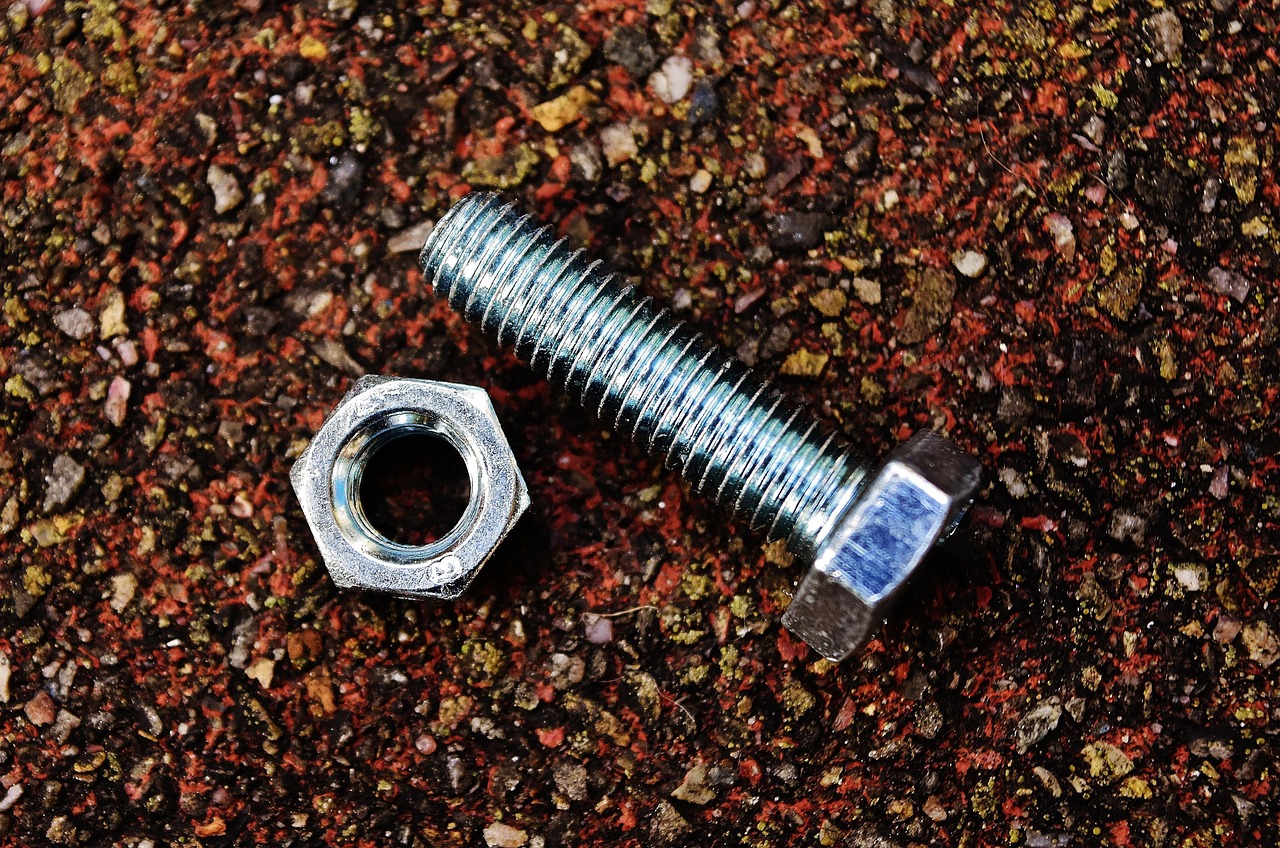
The head is the main feature. A standard hex head sits above the surface, but the T head sits inside the groove. When the nut is tightened, the head presses against the slot shoulders. This gives the user an adjustable fastening point without drilling a new hole for every setup.
Common Materials and Strength Grades
Most orders are for carbon steel, alloy steel, or stainless steel. General workshop fixtures often use medium carbon steel, while heavier clamping usually needs alloy steel. For metric orders, grades such as 8.8, 10.9, or 12.9 are common. Still, the drawing and the load requirement should come before any habit-based selection.
Typical Industries and Daily Use
T bolts are used on machine tool tables, CNC workholding, conveyor brackets, aluminum extrusion frames, solar mounting rails, truck body assemblies, and construction anchoring. Buyers like them because the part can be slid, moved, and tightened without welding or rebuilding the base part. That is useful in shops where the fixture changes often.
Where Do T Bolts Work Best?
A T bolt works well when the joint needs some movement during setup but must stay tight during use. This is a simple point, but it matters on the shop floor. If a fixture moves 2 mm during machining, the whole batch may be scrap, and that is not a good conversation to have on Monday morning.
Machine Tables and T-Slot Plates
Machine tables use T-slots so clamps, vises, and stops can be placed where the job needs them. A matching T bolt slides into the slot from the end and then pulls upward against the table shoulders. This gives strong clamping and still leaves the table surface usable for the next job.
Aluminum Extrusion Frames
On aluminum profiles, T bolts are used to attach brackets, handles, hinges, panels, sensors, feet, and guards. The main benefit is speed during assembly and adjustment. The worker can loosen the nut, slide the part, and tighten it again. For trade buyers, this also lowers the need to keep many special brackets in stock.
Concrete and Embedded Anchoring
Some projects use T-head or headed anchor bolts cast into concrete. These are not the same as light-duty slot bolts used on frames or tables. In this case, the engineer checks embedment, concrete strength, edge distance, and load direction. If the bolt is part of a foundation or lifting point, it should be treated as an engineered item, not a quick catalog choice.
How Do You Choose the Right T Bolt Size?
Size selection starts with the slot, not with the nut. Buyers sometimes ask for M10 or 3/8 inch first, but the head has to fit the channel before the thread can do any useful work. Before placing an order, measure the slot width, throat opening, depth, and undercut area.
Slot Width Comes First
The head should slide without force, but it should not spin inside the slot. If it is too wide, it can jam during installation. If it is too narrow, it may turn when the nut is tightened and the clamp can lose holding force. For machine tables, check whether the slot follows ASME, DIN, or the machine maker’s own table size.
Thread Diameter and Clamping Length
Thread diameter should match the clamp, washer, and nut. Clamping length means the usable working length above the slot surface. A bolt that is too short gives poor thread engagement. A bolt that is too long sticks out, catches gloves, and makes the assembly look poorly controlled.
Head Height, Neck Width, and Fit
Head height affects how the bolt seats below the top face. Neck width controls how well the bolt resists rotation. In actual assembly, a small clearance is needed so the bolt can move during setup. At the same time, the neck still has to stop rotation when the nut is tightened, so ask for a drawing if these dimensions matter.
Which Standards and Grades Should You Check?
Standards help buyers and suppliers avoid simple mistakes. They do not replace engineering judgment, but they give the factory, inspector, and end user the same reference point. On international orders, putting the right standard on the purchase order is one of the lowest-cost quality checks available.
ASME B5.1M for T-Slots
ASME lists B5.1M as a standard for T-slots, their bolts, nuts, and tongues, mainly for production machine tools. This is useful when buying T-slot hardware for tables, plates, and tooling systems in North American projects. It also gives both sides a clearer way to talk about slot size and fit. (asme.org)
ASTM F1554 for Anchor Applications
For anchor-style work, ASTM F1554 covers steel anchor bolts, including straight, bent, headed, and headless types, with grades 36, 55, and 105 ksi yield strength. If your T-head bolt is used as a structural anchor, the project specification should state the exact grade and coating. Do not replace this with a general shop-grade bolt unless the engineer approves it. (store.astm.org)
Mill Certificates and Traceability
For safety-related orders or export shipments, ask for material certificates, heat numbers, coating details, and inspection records. NIST explains that the Fastener Quality Act was created to address fraudulent fasteners and includes compliance resources for reporting alleged violations. This is a useful reminder for buyers: paperwork matters when a bolt carries real load. (nist.gov)
How Do Materials and Finishes Change Performance?
Material and finish decide how a T bolt behaves after it is installed. Strength is only one part of the job. Corrosion, galling, temperature, vibration, and repeated tightening also have to be considered. A shiny bolt is not always the better bolt, and a black bolt is not always the stronger one.
Carbon Steel for General Clamping
Carbon steel is common for fixtures, tables, frames, and general machinery. It is easy to buy in many sizes and usually keeps the cost under control. For dry indoor use, zinc plating or black oxide may be enough. For damp storage or outdoor work, a plain black finish can rust sooner than expected. See also: Fittings & Valves.
Alloy Steel for Higher Load
Alloy steel is used when higher tensile strength and better wear resistance are needed. It fits heavy machine clamping, press tooling, and more demanding fixtures. Still, over-strength parts can create a different problem. A very hard bolt used with a softer slot may damage the table before the bolt itself fails.
Zinc, Black Oxide, and Stainless Choices
Zinc plating gives basic corrosion resistance and a clean silver surface. Black oxide is common on tooling fasteners, but it needs oil if rust resistance is expected. Stainless steel helps in wet or corrosive sites. It can gall when used with stainless nuts, so use anti-seize where the application allows it.
What Buying Mistakes Should You Avoid?
Most T bolt problems are not big failures at the start. They are small mismatches that waste time: a head that will not slide, a thread that is 5 mm too short, a nut that bottoms out, or a finish that fails after two weeks near salt air. Good buying habits prevent most of these issues.
Treating Every T Slot as the Same
A 10 mm slot from one profile system may not match a 10 mm slot from another maker. Machine table slots, aluminum extrusion slots, and roof rail slots can all have different shapes. If the order is not standard, send a sample, drawing, or slot sketch. It is faster to check before production than to argue after delivery.
Ignoring Thread Engagement
As a basic shop rule, full thread engagement should be checked before the joint is loaded. Thin nuts, thick washers, soft clamps, and stacked brackets can all reduce usable thread length. If only two or three threads are holding, the bolt may look tight but still be a weak joint. This is one of the easiest mistakes to miss during a rushed assembly.
Ordering Without a Drawing
For custom T bolts, a drawing should show thread size, pitch, overall length, head width, head height, neck width, material, grade, finish, and tolerance. For repeat export orders, add packaging details as well. A carton full of chipped black oxide parts is not a nice surprise. Clear packing notes also help avoid complaints that have nothing to do with the bolt design.
How Can You Use T Bolts More Safely?
Safety starts with selecting the right bolt, but it does not stop there. Tightening method, inspection, load direction, and machine movement all matter. OSHA states that machines designed for a fixed location must be securely anchored to prevent walking or moving, which is directly relevant when bolts hold machinery, benches, or pedestals in place. (osha.gov)
Match Load Direction to Head Support
A T head works well when its bearing faces sit fully under the slot shoulders. Side loads, prying forces, or poor seating can reduce strength. If the slot edge is worn, cracked, or packed with chips, clean and inspect it before tightening the fastener. A few minutes here can prevent a loose clamp later.
Use Washers and Nuts That Fit
The nut and washer should match the thread and the load. A washer spreads pressure and protects the clamped part. In assemblies with vibration, use a suitable locking nut, threadlocker, or mechanical locking method. Do not mix locking methods without checking the service condition first.
Inspect After First Use
After the first shift, first batch, or first transport run, check torque and seating. Fresh paint, plating, soft aluminum, or a rough slot can settle after loading. This small follow-up catches many loose joints before they turn into noise, wear, or downtime. It is a simple habit, but it saves trouble.
FAQ
Q1: Are T Bolts the Same as T-Slot Bolts? A: In many workshop conversations, yes. T-slot bolts are a common type of T bolt made to slide inside a T-slot. Some T bolts, however, are made for rails, anchors, or custom channels, so the drawing still matters.
Q2: Can You Use a Regular Hex Bolt Instead of a T Bolt? A: Sometimes, but only if the slot or track is designed for it. A hex head may not seat correctly, may spin, or may point-load the slot. For machine tables and engineered frames, use the proper T-head shape.
Q3: What Finish Is Best for Outdoor T Bolts? A: Hot-dip galvanizing, zinc flake, stainless steel, or other corrosion-resistant finishes may be suitable, depending on the site. Salt spray, chemicals, and contact with other metals should guide the final choice.
Q4: Should T Bolts Be Custom Made or Bought from Stock? A: Stock parts are better for standard machine slots and common aluminum profiles. Custom parts make sense when the head shape, length, grade, or coating must match a special rail or load case.
Q5: What Information Should You Send to a Supplier? A: Send the slot dimensions, thread size, length, material, grade, finish, quantity, application, and any standard number listed on the drawing. A quick photo helps, but a dimensioned drawing is much safer.


