
Are Countersinks With Depth Stop The Key To Precision And Time Saving
Best Countersink Drill Bit With Depth Stop That Saves Time
The best countersink drill bit with a depth stop is the one that combines precision engineering, durable materials, and consistent performance across repetitive tasks. For professionals in metalworking, woodworking, or composite fabrication, a depth-controlled countersink not only enhances accuracy but also saves measurable production time. By limiting cutting depth automatically, it reduces manual adjustments and ensures every screw head sits perfectly flush. This feature transforms routine drilling into a streamlined process that minimizes rework and extends tool life.
Understanding Countersinks With Depth Stop
Countersinking is central to professional fastening and assembly. A well-designed countersink bit determines how screws seat against surfaces and how the finished product appears under inspection.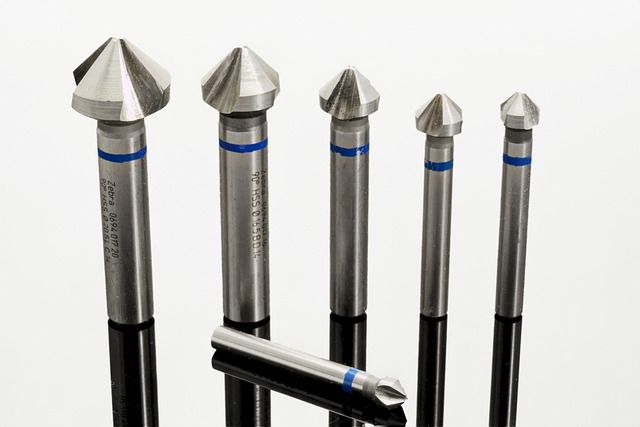
The Function and Design of Countersinks
Countersinks create conical holes so screw heads sit flush or slightly below the surface. The geometry of their cutting edges controls chip flow and surface finish quality. A sharper edge angle results in cleaner cuts on hardwood or metal, while a broader angle suits softer materials like plastic or aluminum. Material choice matters too—high-speed steel (HSS) offers good wear resistance for general use, while carbide-tipped bits handle abrasive composites or stainless steel without losing sharpness quickly.
What a Depth Stop Adds to the Process
A depth stop acts as a mechanical limiter that halts cutting once the preset depth is reached. It keeps every countersink uniform across multiple workpieces regardless of operator fatigue or material hardness. Adjustable collars on professional-grade tools allow precise tuning for different screw head types—flat, oval, or socket—and ensure repeatable results even in high-volume runs.
The Role of Precision in Countersinking Operations
Precision defines the difference between industrial-grade assembly and workshop-level work. In aerospace fixtures or precision cabinetry, even slight variation in countersink depth can cause misalignment or cosmetic defects.
Achieving Consistent Results in Repetitive Work
Uniform depths lead to predictable torque when tightening screws, improving both aesthetics and structural integrity. In automated production lines, consistent countersinking reduces inspection time because each part meets dimensional expectations without frequent calibration checks.
Factors Affecting Precision in Countersinking
Speed, feed rate, and tool sharpness directly affect accuracy. Excessive speed can cause chatter marks; dull bits generate heat that distorts hole geometry. Material thickness also dictates the ideal countersink angle—82° for most machine screws in North America, 90° common in metric systems. Proper clamping remains critical; vibration during drilling easily produces uneven recesses.
Time Efficiency Through Depth-Controlled Countersinking
Time efficiency stems from reducing manual adjustments and visual checks during repetitive production cycles.
Minimizing Setup and Adjustment Time
Preset depth stops remove the need for constant measuring between holes. Once calibrated, an operator can move from one workpiece to another with minimal downtime. Quick-adjust collars make switching between screw sizes fast—an advantage when alternating between pilot drilling and countersinking on mixed assemblies.
Enhancing Productivity in High-Volume Environments
In mass production setups such as furniture assembly lines or aircraft panel fabrication, CNC-compatible countersinks with integrated stops maintain consistency at high speeds. Automated control minimizes quality interruptions while extending tool life through controlled engagement depth.
Comparing Traditional Countersinks to Depth Stop Models
Traditional countersinks rely entirely on operator judgment; newer models with built-in stops introduce mechanical consistency that reshapes workflow efficiency.
Limitations of Standard Countersinks Without Depth Control
Manual methods often lead to over-countersinking when pressure varies between holes. This weakens surrounding material and demands corrective filling or rework. Continuous visual checking slows throughput significantly during long production runs.
Advantages of Integrated Depth Stop Systems
Depth stop systems provide repeatable results independent of user skill level. By restricting penetration precisely, they prevent damage to delicate laminates or coated panels while reducing wear on cutting edges since only necessary engagement occurs each cycle.
Selecting the Right Countersink With Depth Stop for Professional Applications
Choosing the right model requires balancing material compatibility, adjustability precision, and integration with existing equipment setups.
Key Parameters to Evaluate Before Purchase
Material Compatibility and Tool Geometry
Select an angle matching screw design: 82° suits most flat-head machine screws; 90° fits standard wood screws; 100° aligns with aerospace fasteners. HSS bits suit general applications; cobalt steel withstands heat better for hard metals; carbide excels where longevity outweighs cost concerns.
Adjustability and Build Quality of the Depth Stop Mechanism
Professional users prefer micrometer-style collars allowing fine incremental adjustment rather than fixed detents. Hardened sleeves resist wear during continuous cycles—a key factor when maintaining tolerance within ±0.1 mm across hundreds of parts daily.
Integration With Existing Tooling Systems
Compatibility with handheld drills, drill presses, or CNC spindles ensures seamless adoption into current workflows. Quick-change shanks reduce setup time when alternating between drilling operations within multi-tool stations.
Maintenance Practices for Sustained Accuracy and Longevity
Even premium tools lose precision without proper care; maintenance directly influences both finish quality and lifespan.
Proper Cleaning and Lubrication Techniques
Regularly clearing chips prevents buildup around cutting edges that could alter effective depth readings. Light lubrication using appropriate oils reduces frictional heat on metal surfaces while protecting coatings from corrosion during storage.
Inspection and Replacement Guidelines
Inspect edge sharpness periodically—dull cutters tear fibers instead of slicing cleanly, leaving rough edges around screw seats. Replace worn collars or springs within depth stop assemblies once play develops since even minor looseness translates into inconsistent depths over time.
FAQ
Q1: Why is a depth stop important in professional countersinking?
A: It controls penetration automatically so every hole reaches identical depth regardless of operator pressure or material variation.
Q2: Which material is best for heavy-duty countersinking?
A: Carbide-tipped bits perform best on hard alloys due to superior wear resistance compared with HSS alternatives.
Q3: How does a depth stop improve productivity?
A: By eliminating repeated measurements it shortens cycle times while maintaining uniform quality across all parts drilled.
Q4: Can depth-controlled countersinks be used on CNC machines?
A: Yes, many modern designs are CNC-compatible allowing digital presetting of cut depths for automated production lines.
Q5: How often should countersink bits be inspected?
A: After every major production batch—checking edge sharpness ensures smooth finishes and prevents dimensional drift during long-term use.


