Are SharkBite Plumbing Fittings Worth It for Fast, Code-Friendly Pipe Repairs?
SharkBite plumbing fittings are now normal stock for many fast pipe repairs, mixed-material transitions, and water-line connections where solder, glue, or crimp rings are not practical. If you buy parts for contractors, maintenance crews, or hardware stores, these push-to-connect fittings sit close to brass valves, couplings, elbows, and transition adapters in the fittings and valves category.
The reason is easy to see. You cut the pipe, clean it, mark the insertion depth, and push the fitting on. It sounds simple, but the small details decide whether the repair holds. A rough copper edge or a pipe that is not pushed in far enough can turn a good fitting into a leak call. EPA WaterSense data gives some useful context: household leaks can waste about 180 gallons per week for an average family, or 9,400 gallons per year, so a small plumbing part can still create real cost when it is installed badly. (epa.gov)
What Are SharkBite Plumbing Fittings and Why Do Buyers Use Them?
These fittings are push-fit connectors used on domestic water and some heating applications. They are not mystery parts. They are engineered fittings with a gripping ring, an O-ring seal, and a body that accepts properly prepared pipe. Buyers use them because they reduce hot work, save time in cramped areas, and help stores serve both professional plumbers and capable DIY customers.
Push-to-Connect Brass Body
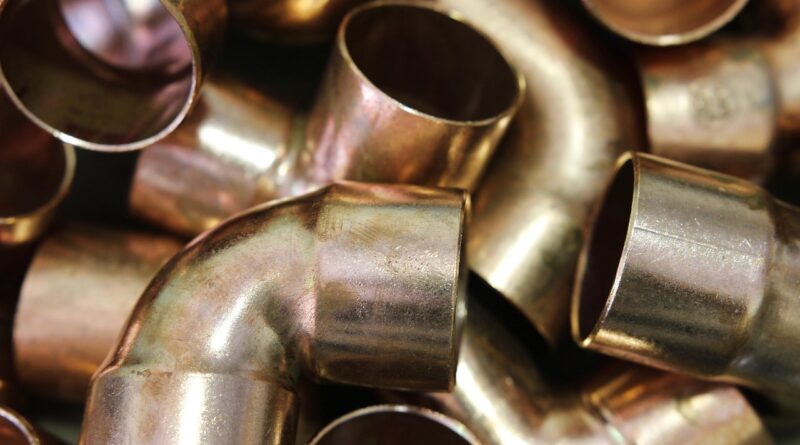
A standard SharkBite-style fitting uses a brass body with internal stainless steel teeth that grip the pipe. The O-ring makes the water seal. On the outside, the fitting looks simple because the working parts are inside the body. That shape helps behind cabinets, near water heaters, and under sinks where there is not much hand space.
Broad Pipe Compatibility
SharkBite states that its push-to-connect fittings are certified for use with copper, PEX, CPVC, PE-RT, and HDPE pipe that meets the relevant pipe standards. That is useful when a repair changes from old copper to new PEX, or from CPVC to a threaded valve adapter. Mixed-pipe work is one of the main reasons this product earns shelf space. Contractors still need to check the pipe standard and the exact SKU before they install it. (sharkbite.com)
Tool-Light Installation
You do not need a torch, flux, glue, expansion tool, or crimp tool for a basic push connection. You still need a good pipe cutter, a deburring tool, a depth gauge, and sometimes disconnect tongs. So it is tool-light, not tool-free in the careless sense. That difference matters when wholesalers write product descriptions or train counter staff.
Are SharkBite Plumbing Fittings Code-Friendly?
For trade buyers, popularity is not the main point. The fitting needs to be listed, used on approved pipe, and installed as the code and manufacturer require. Model codes help, but local adoption can change by state, city, inspector, and project type. That is why paperwork and installation notes should be treated as part of the product.
ASSE 1061 Listed Push-Fit Joints
The 2024 International Plumbing Code says push-fit joints shall conform to ASSE 1061 and be installed according to the manufacturer’s instructions. ASSE describes its 1061 standard as the minimum performance requirement for push-fit fittings and push-fit connections integrated into plumbing devices. For buyers, the practical point is clear: ask for ASSE 1061 listing, not just a package that says push fit. That one check can save time when a contractor or inspector asks for proof. (codes.iccsafe.org) (asse-plumbing.org)
Potable Water and Lead-Free Certifications
For potable water, certifications matter because the fitting touches drinking water. SharkBite lists applicable certifications such as ASSE 1061, NSF/ANSI 61, NSF/ANSI 14, and NSF/ANSI 372 on its official FAQ. NSF/ANSI/CAN 372 is tied to lead-content verification, with the common 0.25% weighted lead limit for most drinking-water components. If you sell potable-water products, keep these documents ready instead of looking for them after an order problem starts. (sharkbite.com) (nsf.org)
Local Code Still Comes First
A model-code approval does not override local rules. Some inspectors may ask for access panels, pressure tests, or specific documents before they accept the work. Some commercial projects also have tighter specifications than a normal home repair. If you sell into several regions, keep product certificates, spec sheets, and installation sheets easy to send. It saves calls back and forth, and it avoids the jobsite argument nobody wants.
Where Do SharkBite Plumbing Fittings Work Best?
The best use case is not every joint in every building. These fittings make the most sense when speed, access, and pipe transition matter more than the lowest fitting price. Used with judgment, they can cut downtime and help a repair crew finish cleanly. Used without basic prep, they can create the same trouble as any other fitting.
Emergency Leak Repairs
A straight coupling or slip coupling can be a useful repair item for a burst copper section or a pinhole leak in an accessible run. The water is shut off, the damaged pipe section is cut out, and the new piece is fitted quickly. In rental maintenance, school buildings, hotels, and older houses, that speed can be worth more than the fitting price. The key is still a square cut, clean pipe, and full insertion.
Mixed-Pipe Transitions
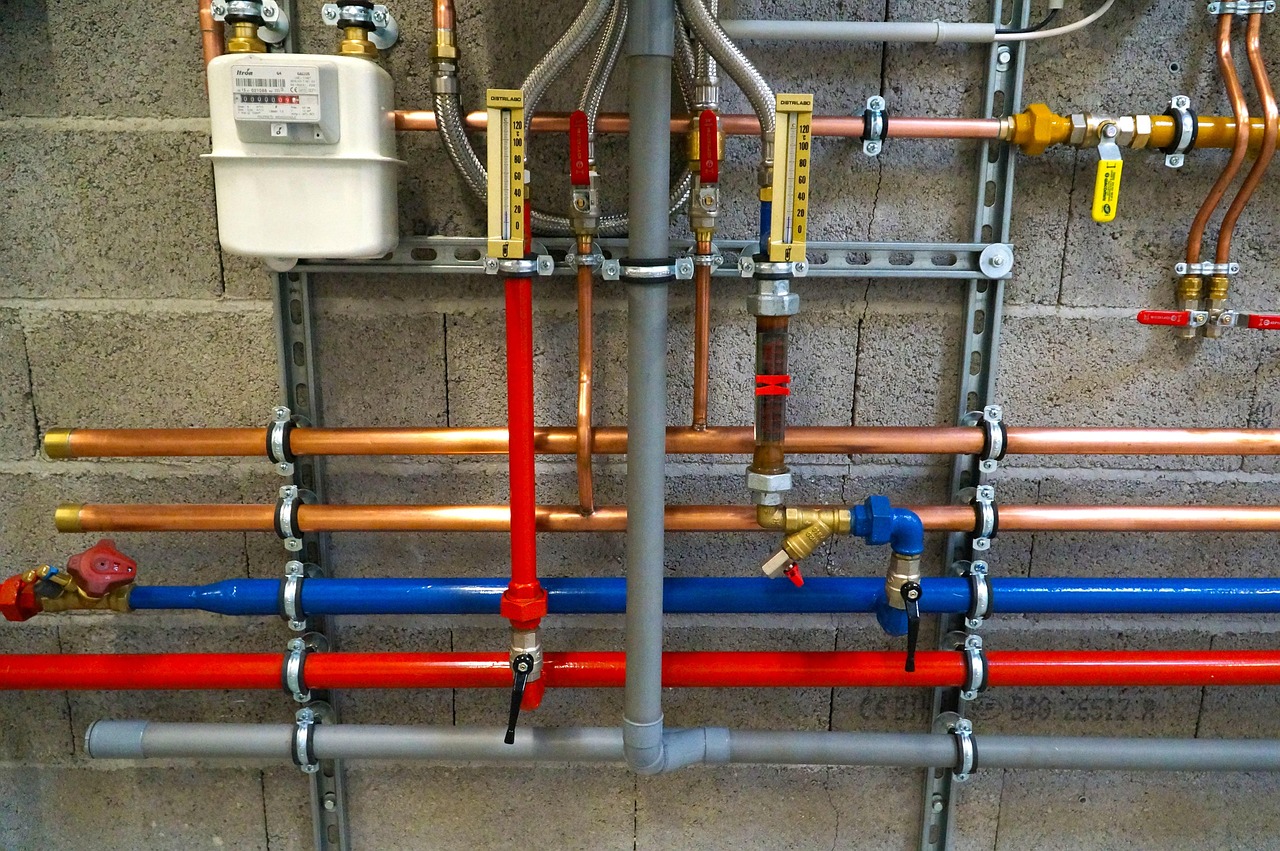
Old buildings rarely keep one pipe material forever. You may see copper near the meter, CPVC in a bathroom remodel, and PEX in a later addition. SharkBite plumbing fittings help connect those materials without a long chain of adapters. Still, match the pipe outside diameter and standard carefully. A part that fits copper tube size is not something to choose by guesswork.
Accessible Service Points
Push fittings are practical near fixtures, valves, water heaters, and temporary test layouts where future changes may happen. Many contractors still prefer solder, press, or crimp for large planned rough-ins. That is a normal choice, especially when the crew already owns the tools and knows the system well. A good buyer does not need one product to cover every job. You need the fitting that suits the work in front of the installer.
How Do You Install SharkBite Plumbing Fittings Correctly?
Most leak complaints trace back to preparation. The fitting depends on a clean pipe surface and full insertion. If those steps are skipped, the O-ring can be damaged or the pipe may not reach the internal stop. The work is quick, but it is not casual.
Square Cuts and Clean Pipe Ends
Cut the pipe square. Do not leave an angled end, crushed tube, paint, solder blobs, or deep scratches near the seal area. On copper and CPVC, deburr the edge so it does not damage the O-ring. On any pipe, wipe away chips and grit before inserting it. It is a small step, but small steps are where water usually finds a way out.
Depth Marks Before Insertion
Use the correct depth gauge and mark the pipe before pushing the fitting on. SharkBite publishes different insertion depths by nominal size and product generation. For example, common Max fittings need deeper insertion than some first-generation fittings in the same nominal size. Guessing by feel is not a professional method, even if the fitting seems to lock in place. See also: Bolts & Fasteners.
Pressure Testing Before Covering
SharkBite says its push-to-connect fittings are certified for concealed wall use, while also recommending local code review and pressure testing before the wall is sealed. That is sensible advice for any installer or project buyer. If a joint sits behind drywall, test first and document the test if the project requires it. Do not depend on hope after the wall is closed and the paint is dry. (sharkbite.com)
SharkBite Plumbing Fittings vs Solder and Crimp, Which Should You Choose?
There is no single winner for every crew. Soldered copper, press fittings, PEX crimp, PEX expansion, and push-to-connect systems all have real value. The right choice depends on labor, tool ownership, site conditions, and how easy the joint will be to inspect later. Buyers should look at the job, not only the fitting price.
Speed Versus Tool Cost
Push fittings install quickly and need fewer specialty tools. That helps a small repair crew, a maintenance department, or a store customer who needs one valve replaced tonight. For a 200-joint new build, the unit cost can look high compared with crimp or solder. On a two-joint repair under a sink, labor time and downtime can change the calculation.
Skill Level and Site Risk
Solder needs heat, clean copper, and a steady hand. Crimp needs the right rings, jaws, and calibration. Push fittings still need care, but they remove flame and reduce the number of steps. In tight cabinets or near finished wood, not using a torch is a real jobsite benefit. That small detail matters when the repair is inside someone’s kitchen or hotel room.
Long-Term Access Planning
If the joint will stay visible or reachable, a push fitting is easier to inspect and replace. If the joint will be buried in a difficult wall, some contractors may choose a system they use every day and trust from past work. No neutral standards body appears to publish a simple cross-brand public failure-rate table for these fitting types. Buying decisions should lean on listings, code fit, installation control, and job history instead of made-up failure percentages.
What Should Wholesale Buyers Check Before Ordering?
For hardware distributors and material suppliers, the buying checklist should go beyond size and price. Contractors ask fast questions at the counter, and the answers need to be correct. Good stock planning also reduces returns, mixed cartons, and slow-moving sizes. That matters just as much as the invoice price.
Size Range and Pipe Standard Match
Stock the sizes your market actually uses: 1/2 inch, 3/4 inch, and 1 inch move often in residential repair, while larger sizes usually need slower but steadier commercial planning. Check compatibility with copper tube size pipe, PEX, CPVC, PE-RT, and HDPE as claimed by the specific SKU. Do not assume every push fitting covers every pipe material. Train sales staff to ask about pipe type before they hand over the part.
Certification Documents and Batch Traceability
Ask suppliers for current certificates, spec sheets, UPC or IPC statements where available, and lead-content documentation for potable-water products. Keep revision dates with the files. A certificate from five years ago may not match a current product line, especially when brands update designs or add Max-style products. Batch and carton records also help if a customer reports a field issue.
Packaging That Survives Jobsite Handling
Small brass fittings get tossed into vans, bins, and job boxes. Good packaging should protect the O-ring area from dust and damage, show size clearly, and include a scannable SKU. For export buyers, carton strength and labeling language matter too. A fitting that arrives dented or mixed by size creates a return problem before it ever sees water.
FAQ
Q1: Are SharkBite Plumbing Fittings Permanent? A: They can be used in permanent installations when the specific fitting is approved for the application, installed by the instructions, and accepted by local code.
Q2: Can You Use SharkBite Plumbing Fittings Behind Walls? A: SharkBite says its push-to-connect fittings are certified for concealed wall use, but you should check local code and pressure test before closing the wall.
Q3: Do SharkBite Plumbing Fittings Work on Copper and PEX? A: Yes, many SharkBite fittings are made for copper and PEX, plus CPVC, PE-RT, and certain HDPE pipe. Always confirm the exact SKU and pipe standard.
Q4: Why Do Push-Fit Fittings Leak? A: Common causes include an un-deburred pipe, scratches near the seal, debris, wrong pipe size, or failure to push the pipe to the marked insertion depth.
Q5: Are SharkBite Fittings Good for Wholesale Stock? A: Yes, if your customers handle repairs, remodels, mixed-pipe transitions, and maintenance work. Stock proven sizes, keep certificates ready, and train staff on correct installation points.


