

Brass plumbing fittings explained for potable water and general plumbing systems
What brass plumbing fittings do in a plumbing system
Brass plumbing fittings join, adapt, terminate, or redirect pipe and tubing in water, heating, fixture, appliance, and valve assemblies. Their usefulness comes from more than being metal. Brass is machinable, dimensionally stable, and well suited to threaded, compression, flare, and transition connections when the fitting is matched to the fluid, pressure, temperature, and local code.
For potable-water work in the United States, the first question is whether the fitting is suitable for drinking-water contact and meets lead-free requirements. For general plumbing, the fitting must also match the connection type, pipe material, installation method, and water chemistry.
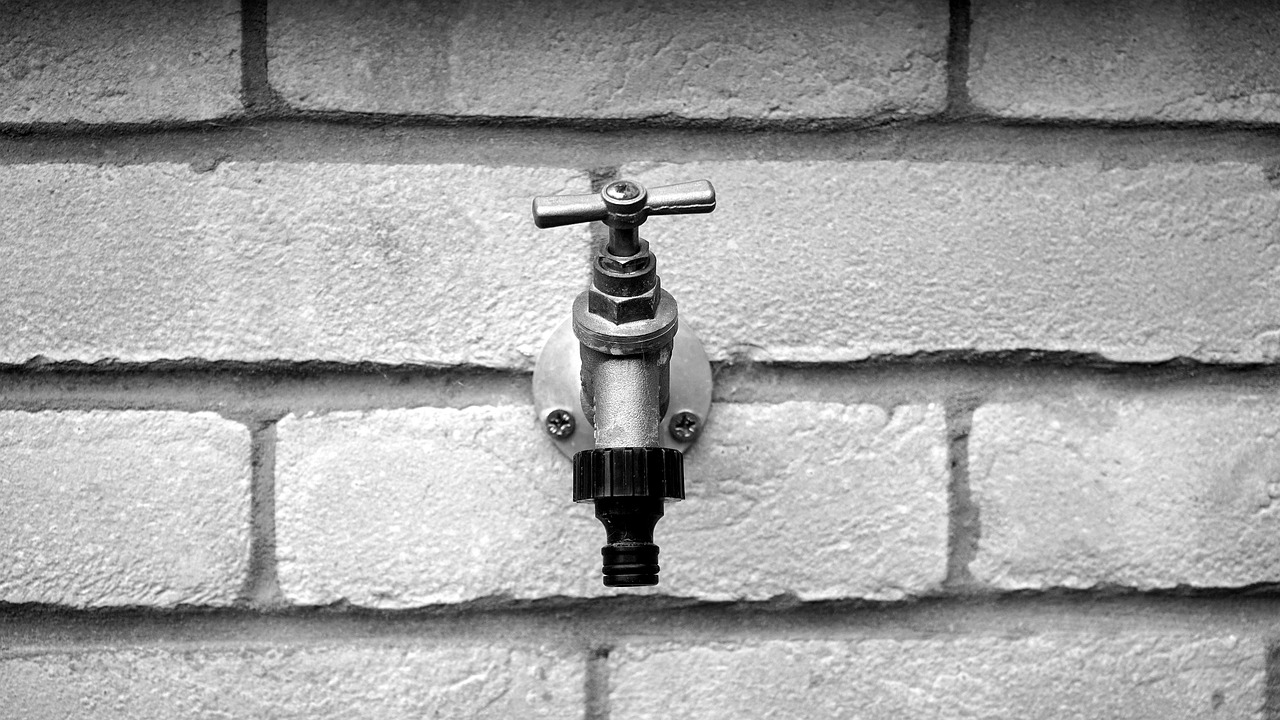
This guide focuses on practical selection rather than brand claims. It explains where brass fittings are useful, which standards and markings matter, where failures can occur, and how buyers, contractors, and maintenance teams can compare options before installation.
Why brass is still widely used for fittings and valves
Brass is a family of copper-zinc alloys, not a single material. Different brass alloys are formulated for machinability, corrosion resistance, pressure service, or compliance with drinking-water rules. That flexibility is one reason brass remains common in plumbing fittings, valve bodies, stops, adapters, and appliance connectors.
In day-to-day plumbing work, brass offers several practical advantages:
- Good machinability: Threads, seats, barbs, ferrule surfaces, and sealing faces can be manufactured with tight, repeatable geometry.
- Useful corrosion resistance: Correctly selected brass performs well in many domestic water and building-service environments, especially compared with plain carbon steel in wet service.
- Reliable sealing surfaces: Brass is often used in compression, flare, and threaded connections because it can create stable metal-to-metal or gasket-assisted seals.
- Broad availability: Brass adapters, elbows, tees, nipples, couplings, unions, caps, plugs, hose fittings, and valve components are widely stocked.
- Compatibility with mixed systems: Brass is often used as a transition material between copper tubing, PEX, CPVC, flexible connectors, fixtures, and valves, provided the fitting is approved for that use.
These strengths do not make brass universal. A fitting that is acceptable for a hydronic loop, compressed-air line, irrigation assembly, or drain-related connection is not automatically acceptable for drinking water. The application drives the specification.
Lead-free and potable-water requirements
For any brass fitting that will contact drinking water, lead-free compliance is a primary requirement. The U.S. Environmental Protection Agency explains that the Safe Drinking Water Act definition of “lead free” limits pipes, pipe fittings, plumbing fittings, and fixtures to a weighted average lead content of not more than 0.25 percent across wetted surfaces. Solder and flux are limited to 0.2 percent lead. These federal requirements became especially important for new installations and repairs after the revised definition took effect on January 4, 2014.
Two standards are commonly seen in potable-water product documentation:
- NSF/ANSI/CAN 61: This standard evaluates health effects from contaminants and impurities that products may impart to drinking water. It is broader than lead content alone and can apply to pipes, fittings, valves, coatings, gaskets, treatment components, and other wetted products.
- NSF/ANSI/CAN 372: This standard addresses lead content verification for drinking-water system components. It is often referenced when confirming compliance with the 0.25 percent weighted-average lead requirement.
The practical point is straightforward: for potable-water service, do not rely only on the words “brass” or “lead free” in a listing title. Check for appropriate third-party certification, intended use, pressure and temperature rating, and any installation limits stated by the manufacturer. Local plumbing codes and project specifications may require specific certifications, and inspectors often look for markings or documentation that connect the installed fitting to the approved standard.
Common connection styles for brass fittings
Many selection errors happen when the material is checked but the connection geometry is not. Brass plumbing fittings come in several connection styles, and each style has its own installation requirements.
| Connection style | Common use | Key selection point |
|---|---|---|
| NPT threaded | Valves, adapters, nipples, gauges, hose connections, equipment connections | Confirm thread standard, size, sealant compatibility, and whether the joint is tapered or straight. |
| Compression | Fixture stops, supply tubes, small-diameter copper or plastic tubing where approved | Match tube outside diameter, ferrule type, insert requirements, and reuse limits. |
| Flare | Gas, fuel, refrigeration-related service, and specialty plumbing where allowed | Use the correct flare angle, tube preparation, and fitting standard for the service. |
| Sweat or solder-joint | Copper water distribution and repair transitions | Confirm potable-water suitability, solder type, heat limits near valves, and tube/fitting sizing. |
| Barbed | Flexible tubing, low-pressure water, drain, appliance, or specialty systems | Match tubing material, clamp type, pressure rating, and fluid compatibility. |
| PEX crimp, clamp, press, or expansion | Residential and commercial water distribution using approved PEX systems | Use fittings listed for the specific PEX joining method and follow the system manufacturer’s instructions. |
For threaded brass fittings, U.S. plumbing and mechanical applications commonly reference ASME B1.20.1 for general-purpose inch pipe threads such as NPT. In the field, the important point is that NPT, NPS, BSPT, BSPP, flare, and compression threads are not interchangeable just because they look similar. A fitting may start by hand and still be the wrong thread form, which can damage the fitting or leak under pressure.
For copper-tube work, ASME B16 series standards are often used to define dimensions and requirements for copper and copper-alloy solder-joint or flare fittings. The standard reference alone is not enough. The actual fitting must be listed for the service, correctly sized, and installed with compatible joining materials.
Where brass fittings fit alongside valves
Brass fittings and valves are often specified together because both appear at transitions, branches, fixture connections, isolation points, and equipment tie-ins. A valve body may be brass while the surrounding system uses copper, PEX, CPVC, stainless steel, or flexible connectors. The installer still has to evaluate each connection interface.
For example, a typical fixture supply arrangement may include a PEX or copper branch line, a brass or plated-brass stop valve, a compression outlet, and a flexible supply connector. Each component has a different job: the fitting adapts or seals, while the valve controls flow. A leak at the assembly may come from an incorrect ferrule, damaged thread, overtightening, poor tube preparation, or use outside the fitting’s rating, not necessarily from the brass material itself.
Readers comparing related components can find more category-level coverage in the Fittings & Valves section.
Corrosion, dezincification, and other limits
Brass is corrosion resistant in many plumbing environments, but it is not immune to damage. One brass-specific failure mode is dezincification. In dezincification, zinc is selectively leached from the alloy, leaving a weakened, copper-rich structure. Visible signs can include pinkish or reddish areas, porous surfaces, mineral buildup, blockage, or leakage. Water chemistry, temperature, chloride levels, stagnation, alloy choice, and manufacturing quality can all influence risk.
Modern lead-free brass alloys are designed to meet drinking-water requirements, but alloy selection still matters. In areas with aggressive water, buyers should review dezincification-resistant alloy information, third-party certifications, and local utility or code guidance. If a building has a history of fitting failures, simply replacing failed parts with visually similar fittings may repeat the problem.
Other common risk factors include: See also: Bolts & Fasteners.
- Overtightening threaded joints: Brass can crack if tapered threads are forced too far or assembled with excessive leverage.
- Galvanic corrosion: Dissimilar metals in contact, especially in the presence of an electrolyte, can create corrosion risk. Dielectric separation or approved transition fittings may be needed.
- Incorrect sealant: Tape or paste that is not compatible with the fluid, temperature, or nearby plastic components can cause leaks or material damage.
- Wrong pressure-temperature rating: A fitting suitable for cold water may not be suitable for steam, high-temperature hydronic service, compressed gas, or specialty chemicals.
- Unapproved reuse: Compression ferrules, flared tube ends, and damaged threaded fittings may not seal reliably after disassembly.
The safest approach is to treat brass fittings as engineered components rather than generic metal parts. The correct alloy, standard, connection style, and installation method all work together.
How to specify brass plumbing fittings
A clear specification reduces jobsite substitutions and helps prevent mismatched parts. For purchasing, maintenance, or project documentation, include more than nominal size and shape.
- Define the service: State whether the fitting is for potable water, non-potable water, hydronic heating, irrigation, gas, compressed air, drain service, or equipment connection.
- Confirm code and certification needs: For drinking-water contact, require lead-free compliance and the appropriate NSF/ANSI/CAN certification where applicable.
- Identify the connection: Specify NPT, compression, flare, solder cup, PEX crimp, PEX expansion, press, hose barb, union, or another exact connection type.
- Match the pipe or tube: Nominal pipe size and tube outside diameter are not the same thing. Check copper tube type, PEX size, CPVC size, hose inside diameter, or equipment port thread.
- Check rating data: Review pressure, temperature, and fluid compatibility. Do not assume all brass fittings have the same rating.
- Review installation instructions: Torque, insertion depth, sealant, soldering temperature, support spacing, and inspection steps can affect performance.
- Document substitutions: If a specified fitting is unavailable, compare certification, alloy, dimensions, ratings, and code approval before accepting an alternative.
A useful short-form purchase description might read: “lead-free brass, 1/2 in. nominal NPT male by 3/8 in. OD compression adapter, certified for potable-water contact, suitable for the stated pressure and temperature.” That is far more actionable than “1/2 brass adapter.”
Brass compared with other fitting materials
Brass competes with bronze, stainless steel, copper, plastic, and plated or coated components. The best choice depends on service conditions.
Brass and bronze are both copper alloys, but bronze is traditionally copper-tin based while brass is copper-zinc based. In plumbing markets, the names are sometimes used loosely in product descriptions, so material standards and certifications are more reliable than color or trade language.
Stainless steel can be preferred for higher corrosion resistance, certain aggressive environments, or specific mechanical requirements, but it may cost more and can introduce thread-galling or compatibility issues if it is not installed correctly.
Plastic fittings can be economical and corrosion resistant in approved systems, but they must be matched to the pipe material, solvent cement or mechanical joining method, temperature rating, and code listing. They are not drop-in substitutes for brass in every assembly.
Copper fittings remain common in soldered copper systems. Brass is often used where machined threads, transitions, valves, unions, or compression outlets are needed.
The comparison is not about which material is always superior. It is about matching the fitting to the system’s water quality, pressure, temperature, mechanical load, inspection requirements, and service life expectations.
Frequently asked questions
Are brass plumbing fittings safe for drinking water?
They can be, but only when the fitting is designed and certified for potable-water contact and meets lead-free requirements. For U.S. drinking-water applications, look for documentation connected to lead-free compliance and relevant NSF/ANSI/CAN standards rather than relying on brass material alone.
What is the difference between brass fittings and bronze fittings?
Brass is generally a copper-zinc alloy family, while bronze is traditionally based on copper and tin. Both can appear in plumbing and valve applications. Because trade names are not always precise, specifications should identify the applicable material standard, certification, and intended service.
Can brass fittings be used with PEX?
Yes, but only when the fitting is made for the specific PEX joining system, such as crimp, clamp, expansion, or another approved method. PEX systems are not all installed the same way, so the fitting, ring, sleeve, tool, and pipe must be compatible.
Do threaded brass fittings need tape or pipe joint compound?
Tapered pipe threads such as NPT typically require an approved thread sealant unless the fitting design states otherwise. The sealant must be compatible with the fluid, temperature, and nearby materials. Straight mechanical threads, compression threads, and flare nuts seal differently and should not be treated like NPT joints.
Why do some brass fittings turn pink or reddish?
A pink or reddish surface can indicate dezincification, where zinc is selectively removed from the brass. It can also be confused with surface staining, so the cause should be evaluated carefully. If leakage, porosity, blockage, or repeated failures appear, the system’s water chemistry, alloy selection, and fitting approval should be reviewed.
Key takeaway
Brass plumbing fittings remain important because they combine machinability, sealing performance, availability, and useful corrosion resistance. The correct choice, however, depends on service conditions and documentation. For potable water, lead-free compliance and drinking-water certification are essential. For all systems, connection type, thread form, pressure-temperature rating, water chemistry, and installation practice are just as important as the base material. A well-specified brass fitting is not just “brass”; it is the right brass fitting for a defined plumbing job.


