
What Makes T6061 Aluminum a Reliable Choice for Structural Applications
The Engineer’s Guide to 6061-T6 Aluminum: Properties, Machinability, and Welding T6061 aluminum, often called 6061-T6, stands out as a go-to structural alloy in aerospace work, car builds, and building projects. It mixes good strength with solid corrosion resistance and easy cutting. Engineers pick it when they need light parts that still handle heavy use. The T6 temper adds extra hardness through heating and aging steps. This makes the material a steady pick for frames and exact parts that carry loads.
Overview of T6061 Aluminum in Structural Engineering
Composition and Alloy Classification
T6061 aluminum sits in the 6000 series. It mainly mixes magnesium and silicon. These elements create magnesium silicide inside the metal. That compound helps build strength once heat treatment finishes. The T6 label means the alloy went through solution heat treatment and then artificial aging. The result gives a mix of pull strength, rust protection, and decent shaping ability. Both shop work and final surface steps work well with this setup.
Common Structural Applications
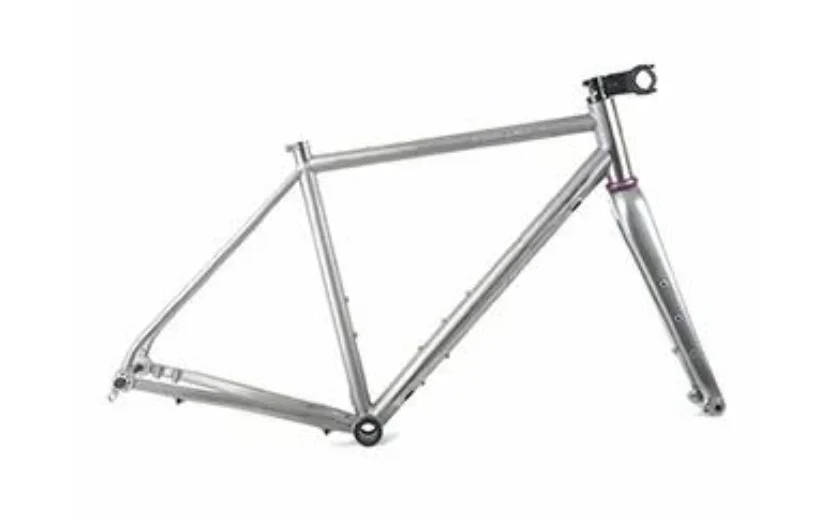
The alloy fits many jobs because it adapts so readily. Designers use it for plane frames, boat hardware, and car chassis parts. In bridge work or building frames, the high stiffness compared to its weight lets crews use less material while still meeting safety rules. Bike frames and pressure tanks also rely on it. Cutting weight here directly improves how the finished item performs.
Mechanical Properties That Define Reliability
Engineers check how the material acts under different loads before they commit it to a build. They want to know it will hold up over time.
Strength-to-Weight Ratio and Tensile Behavior
One clear plus for 6061-T6 is its yield strength near 290 MPa at a density of only 2.7 g/cm³. That balance helps when every kilogram counts. The yield numbers stay steady through normal temperature swings. Both steady loads and changing forces meet predictable results.
Fatigue Resistance and Durability Under Cyclic Loads
Controlled heat treatment leaves a steady grain pattern. Parts therefore last longer under repeated stress. Wing spars on planes or suspension arms on cars see fewer cracks start from vibration. The structure limits how far any small crack can grow even after long hours of shaking.
Corrosion Resistance and Surface Stability
A thin oxide layer forms on its own and guards against normal air exposure. Anodizing or paint layers add more protection in wet or salty spots. Ship hulls and offshore rigs need fewer touch-ups than plain steel would require.
Machinability and Fabrication Characteristics
Shop workers like how 6061-T6 behaves when they cut or shape it. Results stay consistent.
Ease of Machining Compared to Other Alloys
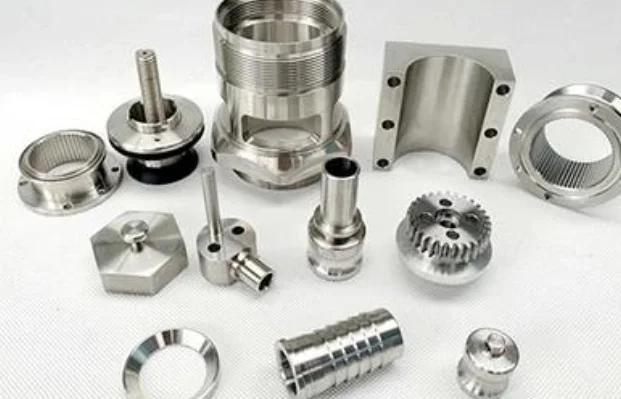
Clean chips come off during milling or turning. Tool wear stays low. This helps when running CNC jobs that need tight sizes on tricky shapes. The metal holds its dimensions even after several passes or deeper cuts. Tooling shops count on that steadiness.
Forming and Extrusion Capabilities
Good stretch lets crews bend or roll the metal into complex shapes without splits. Stress inside the part stays low during extrusion or cold work. Both hot and cold methods work fine and keep the metal sound.
Weldability and Joining Techniques for T6061 Aluminum
Joining this heat-treated grade calls for attention to heat flow so strength does not drop too much near the weld.
Challenges in Welding Heat-Treated Alloys
Local heat softens the area beside the weld. Filler choices such as 4043 or 5356 help limit cracks by matching silicon levels to the base metal. A later heat treatment can bring back most of the lost strength when the joint must stay strong.
Recommended Welding Methods for Structural Integrity
Gas Tungsten Arc Welding (GTAW/TIG)
TIG welding gives fine control of the molten pool and keeps dirt out. Shops use it on thin tubes or joints that stay visible and need a clean look.
Gas Metal Arc Welding (GMAW/MIG)
MIG welding lays down more metal per pass. It suits thicker beams or brackets when settings match aluminum needs.
Thermal Behavior and Performance Under Environmental Stressors
Heat movement affects how parts act when temperatures change during use.
Thermal Conductivity and Expansion Characteristics
Thermal conductivity sits near 170 W/m·K. Heat leaves the part quickly during cutting or running. This helps in electronics cases or engine mounts. The expansion rate stays moderate, so sizes stay stable when the part moves between warm and cool conditions.
Performance in Extreme Environments
At high-altitude cold, the alloy keeps its stretch without getting brittle. Near 150°C it softens in a controlled way, unlike some untreated grades. Engine bays or solar frames that see strong sun cycles benefit from this behavior.
Comparative Analysis with Other Structural Aluminum Grades
Picking a grade means weighing strength against how easy it is to work.
Differences Between 6061-T6 and 7075-T6 Alloys
7075-T6 reaches higher pull strength but rusts faster because of extra zinc. 6061-T6 welds and cuts more readily while still meeting most building needs where easy shaping matters more than peak load.
Comparison with 5052 Aluminum Alloy
5052 bends well thanks to extra magnesium, yet it lacks the pull strength for heavy frames. Crane arms or car subframes usually go with 6061-T6 because it balances shop work and long-term strength.
Design Considerations When Specifying T6061 Aluminum in Structures
Choosing this alloy means looking at loads, weather, and shop limits together instead of one at a time.
Factors Influencing Material Selection in Engineering Design
Load Requirements and Safety Margins
Teams calculate safe stress under both steady loads and repeated cycles. They check against code limits so the part stays safe for its full life.
Environmental Exposure Conditions
Coatings such as anodizing get chosen by how wet or salty the site will be. This keeps surface damage low over many years of service.
Manufacturing Constraints
The temper chosen, T4 or T6, must match the forming steps. Precision parts need one route while long extruded shapes need another.
Long-Term Maintenance and Lifecycle Performance
Inspection Intervals
Regular checks catch surface wear or small cracks early. Aerospace rules treat this step as standard.
Recyclability Advantage
Aluminum can be melted and reused without losing key traits. That fits current goals for lower energy use in manufacturing. Solar inverter teams and energy storage firms also weigh long-term material choices the same way. Picking recyclable stock like 6061-T6 lines up with those same lifecycle ideas. The right material choice affects not only first cost but also how the system performs and gets serviced over ten to twenty-five years.
FAQ
Q1: Why is T6061 aluminum widely used instead of pure aluminum?
A: Pure aluminum does not give enough strength. Adding magnesium and silicon raises hardness and rust resistance while weight stays low.
Q2: Can welded joints regain original T6 properties?
A: Post-weld heat treatment is needed. Welding changes the area near the joint and lowers hardness for a time.
Q3: Is anodizing necessary for all structural uses?
A: Indoor parts often rely on the natural oxide layer. Marine spots need anodizing to last longer.
Q4: How does temperature affect machining tolerance?
A: The moderate expansion rate keeps size changes small even when workshop temperatures shift during CNC runs.
Q5: What makes 6061 preferable over steel for lightweight designs?
A: It reaches similar stiffness at one-third the weight of steel. Weight drops without hurting overall strength.