
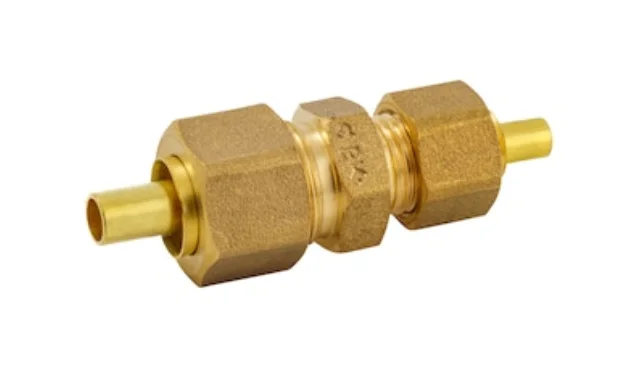
Is a Reducing Union the Key Difference in Push-to-Connect vs Compression Systems
Push-to-Connect vs. Compression Reducing Unions: An Expert Comparison for Fluid Systems
Reducing unions are small but important parts that keep fluid systems running when pipe sizes change. In real work with fluid setups, picking push-to-connect or compression types affects how fast you build things and how well they hold up over years. Push-to-connect options help with fast builds and easy changes later. Compression unions work better when pressure gets high or the job needs extra care. The pick depends on what the system faces each day, like heat, vibration, or how often someone needs to open it up.
Understanding the Role of a Reducing Union in Fluid Connection Systems
Reducing unions help move fluid from one pipe size to another without stopping the flow. Their shape plays a part in keeping pressure steady and letting the whole network bend to fit tight spots.
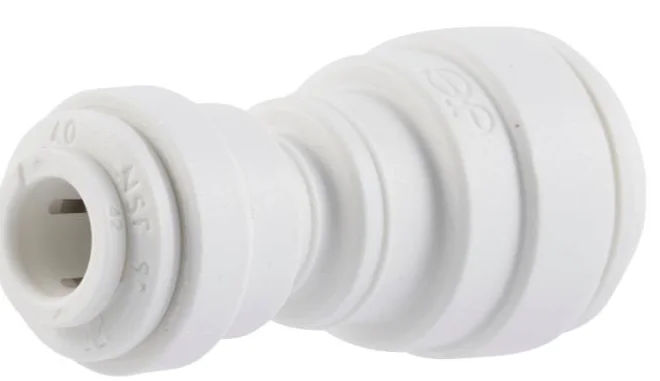
Defining the Function of a Reducing Union
A reducing union joins two tubes that have different widths. It lets the fluid keep moving smoothly from the bigger line to the smaller one. Shops often use these in small control panels or chemical feed setups where space is tight. They show up in air lines on factory machines and in test rigs that need to switch sizes often. Without them, workers would have to add extra adapters that take more room.
Material and Design Considerations
The stuff a reducing union is made from decides how long it lasts around different fluids. Brass works fine for plain water or air jobs. Stainless steel stands up to salt water or acids better. Plastic versions keep weight down on portable carts. Temperature swings hit each material in its own way. Stainless holds up when things get hot or cold fast. Thread style also matters. Straight threads need an O-ring to seal. Tapered threads bite tighter on their own. Pick the wrong one and leaks show up after a few weeks of use.
Overview of Push-to-Connect Systems
Push-to-connect fittings changed how crews put lines together. No special wrenches needed. Just push the tube in and the joint is ready. This speed helps when lines must move around during machine upgrades.
Mechanism of Push-to-Connect Fittings
Inside each fitting sits a small metal ring called a collet. It grabs the tube wall when you push. An O-ring next to it stops leaks. The whole thing stays locked as long as pressure stays on. To take it apart, press the release ring and pull. One worker can make ten joints in the time it used to take to thread two. That speed shows up most in lab gas racks that get moved every few months.
Advantages and Limitations in Professional Applications
These reducing unions cut install time a lot. No need to measure torque or clean threads. They fit well on test benches where teams swap parts daily. Still, they top out around 300 psi in most sizes. Above that the collet can slip. Shops skip them on steam lines or high-pressure oil pumps for that reason. A plant manager once told me they lost a whole shift because a push fitting let go at 450 psi. They switched to compression after that.
Overview of Compression Systems
Compression fittings stay the go-to choice when leaks are not an option. The metal-on-metal bite holds even when machines shake all day long.
How Compression Fittings Operate
A nut turns and squeezes a small ring called a ferrule onto the tube. The ferrule bites in and seals at the same time. On a hydraulic test stand running 5000 psi, these joints rarely weep. Workers must hit the right torque though. Too much and the ferrule cracks. Too little and tiny bubbles appear during a soap test. Good crews mark the nut with a line so they can see if it moved later.
Performance Characteristics in Technical Environments
Offshore platforms use compression unions because waves make everything vibrate. The rigid grip keeps the seal tight through temperature swings from night to day. One crew on a drilling rig checks every joint after each rough weather week. They say the extra time spent on torque pays off when they avoid even one shutdown.
Comparing Reducing Unions in Push-to-Connect vs Compression Configurations
Choosing between the two comes down to matching the fitting to the job. Fast changes or high pressure? That single choice shapes how often repairs happen and how safe the line stays.
Structural Differences Between the Two Systems
Push-to-connect models carry an O-ring and a springy collet. They can be taken apart and reused many times. Compression types change the ferrule shape for good. Once you loosen them, most crews put in a fresh ferrule to be safe. That extra part cost adds up on lines that get opened every month.
Pressure and Temperature Ratings Across Both Systems
Compression unions handle up to 10,000 psi in stainless. Push types usually stop at 300 psi. Heat limits follow the same pattern. Metal compression pieces work past 400°C. Push fittings with rubber seals top out near 120°C before the O-ring hardens. A food plant learned this the hard way when a push fitting failed on a 140°C cleaning cycle. They now mark hot lines and use only compression there.
Application-Specific Insights for Reducing Unions in Fluid Systems Engineering
Every site has its own mix of pressure, dirt, and how often someone walks by with a wrench. The best choice comes from walking the floor and asking the technicians what breaks most often.
Selecting the Appropriate Connection Type Based on System Requirements
Start with the pressure number on the pump tag. Add a safety margin. Then look at vibration. If a compressor shakes the skid, go compression. If the line only carries low-pressure air to gauges, push fittings save hours. Some plants pick one style for every new build so the spare parts bin stays simple. That habit cuts ordering mistakes when a midnight call comes in.
Integration Practices for Optimal Performance and Safety Compliance
Cut the tube square and clean the edge. A rough cut tears the O-ring on push fittings and leaves a path for leaks on compression ones. Follow the maker’s depth mark when pushing in. On compression nuts, use a torque wrench the first few times until your hand learns the feel. Walk the line once a month with a flashlight. Look for wet spots or green crust on brass. Catch small issues before they shut down a whole cell.
Future Trends in Connection Technologies Involving Reducing Unions
New ideas keep showing up as plants want both speed and strength in the same part.
Innovations Enhancing Reliability and Efficiency
Some makers now sell push fittings with an extra metal ring that adds grip after the first push. Early tests show they reach 800 psi without losing the quick-release feature. Other designs use two O-rings and a backup washer for heat. Plants that run 24 hours like the idea of a sensor ring that lights up if a joint starts to seep. That kind of early warning already cuts downtime on compressor skids by half in some trials.
Sustainability Considerations in Modern Fluid Systems
Less leak means less energy wasted pushing air or oil through the system. Shops now ask for fittings made from recycled brass when the spec allows. Makers also sell repair kits with only the seal and ferrule so the body stays in place. Over five years that choice keeps several kilos of metal out of the scrap bin on a medium-sized line. Rules on waste keep tightening, so the plants that plan for easy repair now will have fewer headaches later.
FAQ
Q1: What is the main difference between push-to-connect and compression reducing unions?
A: Push-to-connect types use a collet and O-ring so you can finish the joint fast without tools. Compression types use a ferrule that gets squeezed tight for higher pressure jobs.
Q2: Can push-to-connect reducing unions handle hydraulic oil?
A: Only the ones marked for oil service. Most everyday versions stay under 300 psi and work with air or water because the rubber seal does not like hot oil for long.
Q3: How often should compression fittings be inspected?
A: Every six months works for most indoor lines. Add extra checks after any big temperature swing or after the machine gets moved.
Q4: Are stainless steel reducing unions worth the extra cost?
A: Yes near salt air or acid fumes. The extra money shows up as fewer replacements over three or four years.
Q5: Do hybrid connection technologies exist today?
A: A few makers sell push fittings with added metal sleeves that reach closer to compression strength. They cost more but save time on lines that need both speed and higher pressure.


