
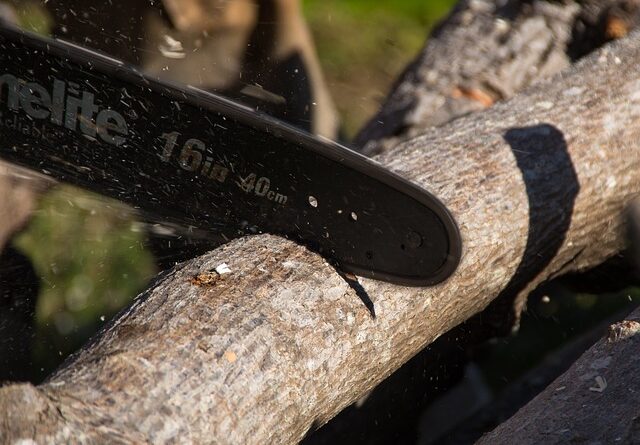
Can an Electric Pruning Saw Redefine Precision in Professional Gardening
A Master Gardener’s Guide to Must-Have Pruning Tools
Professional gardeners today rely on a refined blend of tradition and innovation. The shift from manual shears to electric pruning saws has transformed how experts maintain plant structure and health. The modern toolkit emphasizes precision, reduced strain, and consistent performance. Among these innovations, the electric pruning saw—notably the Stihl pruning saw—stands out for its balance of power and finesse. This guide explores how technology has redefined pruning tools, evaluating their evolution, engineering, and impact on professional horticultural practices.
The Evolution of Pruning Tools in Professional Gardening
The art of pruning has always been central to professional horticulture. Historically, it demanded skill and endurance; today, it demands technical understanding and tool sophistication.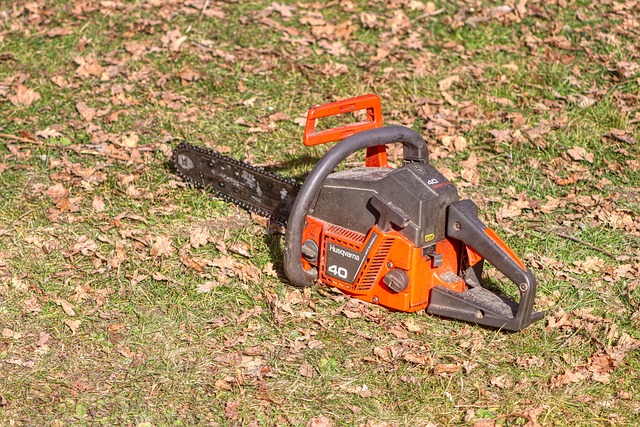
From Manual Shears to Mechanized Precision
Traditional pruning tools relied entirely on human strength and control. Manual shears required both experience and physical stamina to achieve uniform cuts across large gardens or orchards. As mechanization entered the field, powered tools introduced consistency while reducing fatigue during long sessions. This transition reflected a broader industry shift toward efficiency and ergonomics. The rise of electric pruning saws marked a turning point where precision could be achieved with less effort, allowing professionals to focus more on plant aesthetics than tool handling.
The Role of Technology in Modern Pruning Equipment
Technological progress continues to reshape gardening equipment. Advances in motor design have produced compact units capable of sustained torque with minimal vibration. Improvements in battery chemistry—especially lithium-ion cells—extended runtime without adding excessive weight. Ergonomic handle designs now reduce wrist strain during extended use, while smart features such as variable speed control enable fine-tuned cutting across different branch densities. These innovations collectively enhance safety, control, and user comfort.
Understanding the Electric Pruning Saw
Electric pruning saws have become an essential part of modern horticultural practice due to their precision and adaptability across various plant types.
Defining the Electric Pruning Saw’s Functionality
An electric pruning saw is engineered for clean cuts with minimal vibration or tearing of plant tissue. Its compact motor system allows targeted cutting even in dense canopies or confined spaces. By balancing power output with maneuverability, it provides gardeners with the ability to perform intricate shaping tasks that would be laborious using traditional tools.
Comparing Electric Pruning Saws to Traditional Alternatives
Compared with manual saws or loppers, electric models deliver faster cutting speeds and consistent performance regardless of wood density. They significantly reduce operator fatigue during repetitive tasks such as orchard thinning or hedge maintenance. Moreover, their steady motor output ensures uniform results even when dealing with irregular branch diameters—a feature highly valued by professionals seeking visual harmony across large landscapes.
Evaluating the Stihl Pruning Saw in Professional Contexts
Among premium brands, Stihl remains a benchmark for reliability and engineering quality in electric pruning tools.
Engineering Features of Stihl’s Electric Models
The Stihl pruning saw incorporates advanced motor technology that maintains torque under load for uninterrupted cutting performance. Lightweight construction enhances mobility when working at height or within dense vegetation. Safety mechanisms such as chain brakes and overload protection systems are integrated to minimize operational risk—important when precision meets power in professional environments.
Performance Metrics Relevant to Expert Gardeners
Professionals evaluate electric models by measurable criteria: smoothness of cut, noise level reduction, vibration damping, and battery endurance under field conditions. For instance, maintaining consistent output over multiple tree species demonstrates adaptability across varying wood densities. Maintenance simplicity also influences long-term reliability; easily accessible components mean less downtime between sessions.
Precision Redefined: How Electric Pruning Saws Enhance Technique
Precision is not merely about sharpness—it’s about control over every motion during structural shaping or thinning operations.
Improving Accuracy in Structural Pruning
Electric pruning saws allow controlled removal of branches without damaging adjacent tissue or bark collars. This accuracy supports structural integrity in ornamental trees where aesthetics matter as much as growth direction. For fruit-bearing plants, precise cuts encourage balanced energy distribution between limbs and improve yield quality over time.
Enhancing Workflow Efficiency in Large-scale Operations
In commercial landscaping or orchard management, efficiency translates directly into productivity. Electric saws streamline repetitive cuts during seasonal cycles while reducing downtime caused by manual fatigue or sharpening interruptions. Teams can maintain consistent standards across multiple zones—critical for enterprises managing hundreds of trees within limited timeframes.
Integrating Electric Pruning Saws into Professional Practice
Adopting an electric model requires thoughtful selection based on garden scale, vegetation type, and operational duration.
Best Practices for Tool Selection and Application
Assessing Garden Scale and Vegetation Type
Selecting the right model involves matching blade length and motor capacity with typical branch diameters encountered on site. Dense hardwood species may require higher torque models compared to softer ornamental shrubs.
Considering Power Source Requirements
Battery-powered versions suit mobile work across large estates where outlets are scarce; corded models favor stationary tasks requiring continuous operation without recharging breaks.
Maintenance Protocols for Longevity and Safety
Routine Cleaning and Lubrication Procedures
After each session, cleaning resin buildup prevents drag along the guide bar that can cause overheating or premature wear.
Inspection Schedules for Wear Components
Regular monitoring of chain tension, guide bar alignment, and electrical connections preserves both safety standards and mechanical lifespan—a fundamental aspect often overlooked by less experienced operators.
The Future of Precision Gardening Tools
The next generation of electric pruning equipment will merge digital intelligence with sustainable engineering principles.
Emerging Innovations Influencing Electric Saw Design
Manufacturers are experimenting with AI-assisted guidance systems capable of analyzing branch angles in real time to recommend optimal cut positions. Ultra-light composite housings are being developed to further reduce user strain without compromising durability—a promising direction for arborists performing prolonged canopy work.
Sustainability Considerations in Tool Manufacturing and Use
Environmental responsibility now shapes product development as much as performance metrics do. Recyclable materials are replacing non-recoverable plastics in casing components while energy-efficient batteries extend lifecycle use per charge cycle. Eco-friendly lubricants also minimize chemical runoff during outdoor maintenance—aligning tool design with broader sustainability goals within horticulture.
FAQ
Q1: What distinguishes an electric pruning saw from a chainsaw?
A: An electric pruning saw is lighter with shorter blades optimized for small-branch precision rather than heavy log cutting typical of chainsaws.
Q2: How often should a Stihl pruning saw be serviced?
A: Regular inspection every 25 hours of use is recommended for chain tensioning, lubrication checks, and electrical safety verification.
Q3: Are battery-powered models suitable for commercial use?
A: Yes, modern lithium-ion systems provide sufficient runtime for most professional operations when paired with spare batteries or fast chargers.
Q4: Does using an electric model affect plant health?
A: Properly maintained blades produce cleaner cuts that heal faster than rough manual ones, reducing infection risk at wound sites.
Q5: What safety gear should accompany use?
A: Eye protection, gloves with anti-vibration padding, ear defenders if noise exceeds 85 dB(A), and stable footing equipment when working at height are essential precautions.


