

How 316L Stainless Steel Prices Reflect China’s Rising Molybdenum Costs
China: Surging Molybdenum Prices Push 316L Stainless Steel Costs Higher
The surge in molybdenum prices has become a decisive factor in driving up the cost of 316L stainless steel across China. As molybdenum plays a critical role in enhancing corrosion resistance and mechanical strength, its rising market value directly affects alloy production costs. Chinese mills are now facing tighter margins and are forced to adjust pricing strategies. The combination of domestic demand growth, stricter mining controls, and limited global supply suggests that elevated stainless steel prices will persist through the near term.
The Relationship Between 316L Stainless Steel and Molybdenum
The link between 316L stainless steel and molybdenum lies at the core of its chemical performance. The alloy’s durability and corrosion resistance depend heavily on this element’s presence, making any fluctuation in its price a key determinant of production economics.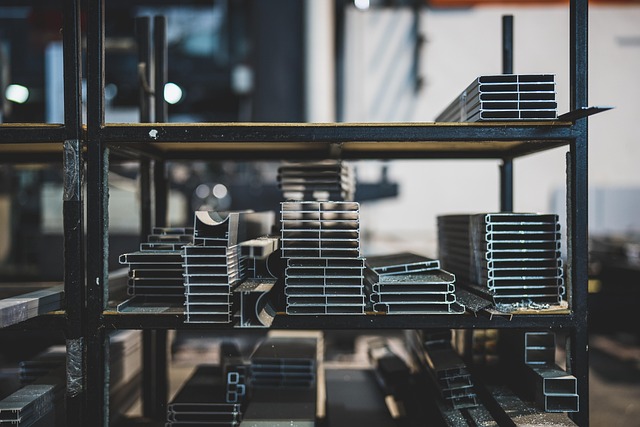
Chemical Composition and Role of Molybdenum in 316L Stainless Steel
Molybdenum is typically added to 316L stainless steel in concentrations around 2–3%. This addition significantly enhances resistance to pitting and crevice corrosion, particularly in chloride-rich environments such as marine or chemical processing applications. It also strengthens the alloy’s microstructure, improving tensile properties under high temperatures. However, increasing molybdenum content raises both material cost and processing difficulty. A balance must therefore be maintained between desired performance and economic feasibility.
Why Molybdenum Prices Are a Key Cost Driver
In stainless steel production, alloying elements like nickel and molybdenum account for most of the variable input cost. When molybdenum prices rise sharply, producers’ profit margins compress unless they pass these costs downstream through alloy surcharges. Because molybdenum trading volumes are relatively small compared to base metals, even minor disruptions can lead to pronounced price swings. These fluctuations ripple quickly through the stainless supply chain, influencing contract pricing within weeks.
China’s Molybdenum Market Dynamics
China’s domestic market plays an outsized role in setting global molybdenum trends. Local policy changes or industrial demand shifts often trigger immediate adjustments in international pricing due to China’s dominant consumption share.
Factors Behind Rising Molybdenum Prices in China
Over the past year, several structural factors have tightened China’s molybdenum market. Industrial expansion has intersected with environmental restrictions and strategic policies, creating a perfect storm for sustained price escalation.
Increased Domestic Demand from Energy, Aerospace, and Chemical Sectors
China’s energy transition has driven new investment into high-performance alloys for nuclear reactors, hydrogen systems, and clean energy infrastructure—all requiring molybdenum-bearing steels. Aerospace manufacturing also consumes large quantities for turbine components where heat resistance is vital. The chemical industry remains another major consumer due to its reliance on corrosion-resistant piping systems made from 316L stainless steel.
Tightened Environmental Regulations Reducing Mining Output
Environmental enforcement has intensified across mining regions such as Henan and Shaanxi. Many smaller operations have been forced to suspend output pending compliance upgrades. This reduction in domestic concentrate supply has increased reliance on imported materials at higher costs. Stricter tailings management standards further raise production expenses for compliant mines.
Strategic Stockpiling by State-Owned Enterprises Influencing Market Liquidity
State-owned enterprises have been building strategic inventories of critical metals including molybdenum to safeguard industrial continuity amid geopolitical uncertainty. While this supports long-term stability, it temporarily reduces available spot supply, tightening liquidity in domestic trading markets and amplifying short-term volatility.
Global Supply Constraints and Their Ripple Effects
Beyond China’s borders, limited mining expansion has constrained overall global availability of molybdenum ore. The result is a structurally undersupplied market that magnifies local shocks into worldwide repercussions.
Limited New Mining Projects Constrain Global Molybdenum Availability
Few major new projects have entered operation since 2018 due to low historical prices discouraging investment. Existing mines face declining ore grades, raising extraction costs per ton of contained metal. Without significant new capacity additions, supply elasticity remains low even when demand surges suddenly.
Export Policies from Major Producers Affect International Price Stability
Countries like Chile and the United States dominate primary molybdenum exports through by-product recovery from copper mines. Any policy change—such as export duties or environmental restrictions—can immediately affect global trade balances. For Chinese importers already contending with currency fluctuations, these shifts translate into procurement risk premiums embedded within alloy costs.
Competition for Raw Materials Drives Up Procurement Costs for Chinese Mills
As international buyers compete for limited concentrates, Chinese mills often pay premiums to secure timely shipments. Freight rates add another layer of expense given current logistical bottlenecks at major ports. Consequently, domestic producers must either absorb these higher input costs or reflect them promptly in their stainless steel quotations.
Impact on 316L Stainless Steel Pricing Trends
The relationship between raw material inflation and finished product pricing is not instantaneous but follows distinct transmission mechanisms shaped by contract structures and regional dynamics.
Cost Transmission Mechanisms from Raw Material to Finished Product
Most Chinese stainless producers employ an alloy surcharge system that adjusts monthly based on prevailing raw material indices for nickel, chromium, and molybdenum. When molybdenum benchmarks rise sharply, surcharges increase accordingly within one billing cycle. Distributors then incorporate these adjustments into their resale prices to end users such as fabricators or equipment manufacturers.
Regional Price Differentiation Within China’s Stainless Steel Industry
Price responses vary geographically across China’s vast industrial network. Coastal hubs like Wuxi or Foshan tend to react faster since they are closer to import terminals and futures trading centers where raw material costs are priced daily. Inland producers face longer transport routes for both feedstock and finished goods; their total delivered cost is therefore higher even if base alloy surcharges remain similar.
Localized Demand from Construction, Petrochemical, and Marine Sectors Influences Pricing Behavior
Regional end-use demand also shapes price resilience. For instance, coastal shipyards consuming large volumes of 316L plate maintain steady orders despite cost increases because substitution options are limited under marine exposure conditions. Conversely, construction projects inland may delay procurement until price stabilization occurs.
Industrial Reactions to Rising Costs
The persistent elevation in input costs has prompted both upstream producers and downstream users to adapt operational strategies aimed at mitigating exposure while sustaining competitiveness.
Strategies Adopted by Chinese Stainless Steel Producers
Producers are experimenting with modified compositions that slightly reduce molybdenum content without compromising corrosion performance—sometimes substituting nitrogen additions instead. Recycling scrap containing residual molybdenum helps offset virgin material needs while aligning with sustainability goals encouraged by national policy frameworks such as “dual carbon” initiatives. Some large mills have also locked long-term supply contracts with mining groups abroad to secure predictable pricing over multiple quarters.
Downstream Industry Responses and Purchasing Adjustments
Fabricators serving petrochemical or pharmaceutical clients often postpone large-volume purchases during volatile periods to avoid inventory losses if surcharges retreat later. In less demanding applications like architectural fittings or kitchenware fabrication, buyers shift toward lower-alloy grades such as 304 when feasible to control project budgets without sacrificing performance beyond acceptable limits.
Outlook for the 316L Stainless Steel Market Amid Elevated Molybdenum Prices
With structural tightness persisting across both domestic and global markets, stakeholders anticipate continued pressure on production economics well into next year unless new mine capacity enters operation sooner than expected.
Short-Term Market Expectations Based on Current Trends
Analysts expect tight supply conditions through upcoming quarters given ongoing mine maintenance schedules overseas and slow permitting processes domestically. Stainless steel producers may moderate output rather than chase unprofitable volumes at inflated feedstock prices. Government monitoring of speculative trading could help temper extreme volatility but is unlikely to reverse underlying scarcity fundamentals quickly.
Long-Term Implications for Global Supply Chains and Material Selection
If high alloying costs persist over several years, engineers may accelerate adoption of alternative corrosion-resistant materials such as duplex steels or coated carbon steels offering comparable service life at lower cost per ton installed. International buyers diversifying sourcing away from single-country dependence could reshape trade flows within Asia-Pacific markets over time. Sustainability-driven procurement standards may also influence how alloying elements like molybdenum are mined, recycled, and priced globally under emerging ESG frameworks.
FAQ
Q1: Why does molybdenum affect 316L stainless steel so strongly?
A: Because it directly improves corrosion resistance against chlorides while strengthening the metal matrix; even small percentage changes alter performance significantly.
Q2: How much does molybdenum typically contribute to total alloy cost?
A: It can represent up to one-third of total alloying element expenses depending on market conditions since its unit price is far higher than chromium or iron.
Q3: Are there substitutes for 316L when prices spike?
A: Yes—grades like 304L or duplex alloys may serve where moderate corrosion resistance suffices though they cannot fully replace 316L in marine or chemical service environments.
Q4: What role do government policies play in stabilizing prices?
A: Environmental regulations constrain supply while strategic reserves influence short-term liquidity; both factors shape domestic market behavior more than external trade alone.
Q5: Will recycling significantly ease future cost pressures?
A: Over time yes; expanded scrap collection containing residual molybdenum can partially offset primary demand though quality control remains crucial for consistent product performance.


