
Is A Dremel Cutting Disc The Key To Precision In Detailed Rotary Projects
The Best Rotary Tools for Detailed Projects
Precision rotary tools have become indispensable in professional workshops where accuracy defines craftsmanship. Among these, the Dremel cutting disc stands out for its fine control, adaptability, and clean cutting performance across materials. Experts favor it for intricate work because it combines speed with stability, allowing sub-millimeter accuracy in fabrication, restoration, and modeling tasks. When paired with the right tool speed and technique, it delivers results that rival industrial-grade systems but in a compact form suitable for bench-scale operations.
Understanding the Role of a Dremel Cutting Disc in Precision Work?
The efficiency of a rotary system largely depends on how well its cutting accessory translates motion into controlled material removal. In precision applications—where even a fraction of a millimeter matters—the design and composition of the Dremel cutting disc dictate both accuracy and surface finish.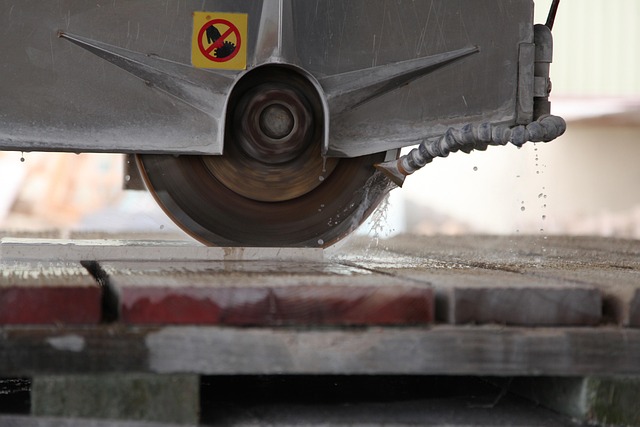
The Function and Design of a Dremel Cutting Disc
A Dremel cutting disc is engineered from specialized materials such as fiberglass-reinforced resin or diamond coating to balance strength with flexibility. Fiberglass reinforcement provides structural integrity under high rotational stress, while diamond-coated edges excel at slicing through dense materials like glass or ceramics. The disc’s thickness and diameter directly influence how finely it can maneuver; thinner discs produce tighter radii and minimal kerf width. Manufacturers also produce variations tailored to specific substrates—metal, wood, or stone—each optimized for material hardness and heat tolerance.
Why Precision Matters in Rotary Tool Applications
In professional detailing or model engineering, precision means less rework and cleaner finishes. A well-calibrated rotary setup minimizes vibration, maintaining consistent edge quality during extended use. Controlled depth prevents overcutting—a common issue when using general-purpose blades on delicate parts. For industries like jewelry making or electronics casing modification, these micro-level tolerances preserve both structural integrity and aesthetic appeal.
Types of Dremel Cutting Discs for Specialized Applications
Selecting the correct disc type determines not only cut quality but also tool longevity. Each variant serves distinct material categories and operational demands.
Metal-Cutting Discs for Industrial Detailing
Metal-cutting discs are typically made with abrasive compounds bonded to reinforced resin layers capable of enduring continuous load cycles. They handle thin-gauge metals such as aluminum sheets or stainless steel components without warping edges. Professionals rely on them in jewelry production or miniature restoration projects where burr-free finishes are essential. Their reinforced rims resist cracking under lateral pressure, extending service life even under high torque conditions.
Diamond-Coated Discs for Hard Materials
Diamond-coated versions are the go-to choice for hard substrates like glass, ceramics, or composite panels. The diamond grit ensures smooth penetration without chipping fragile surfaces. These discs maintain sharpness longer than standard abrasives when operated at high RPMs typical of rotary tools. In architectural modeling or custom tile fabrication, their ability to deliver clean lines without microfractures saves significant post-processing time.
Resin-Bonded Cut-Off Wheels for Versatile Use
Resin-bonded wheels combine lightweight design with adaptability across multiple materials—plastics, soft metals, carbon fiber composites among them. Their flexible bond structure absorbs vibration at high speeds, promoting smoother operation and reducing tool fatigue. Such discs are favored in prototyping labs where frequent trimming adjustments occur during concept iterations.
Optimizing Rotary Tool Performance with the Right Cutting Disc
Matching tool configuration to material characteristics is essential for achieving consistent precision across varying workloads.
Matching Disc Type to Material Properties
Material hardness dictates which disc composition performs best. Using a metal disc on brittle ceramic can cause cracking; conversely, a diamond-coated wheel on soft aluminum may clog quickly due to excessive frictional buildup. Compatibility charts provided by manufacturers help technicians select optimal grit size and bonding type to prevent overheating or premature wear during extended sessions.
Adjusting Speed and Pressure for Controlled Cuts
Rotary speed should correspond to both disc diameter and substrate density. Lower RPMs reduce thermal stress on plastics while higher speeds benefit metals requiring rapid chip removal. Excessive downward pressure often leads to uneven cuts or surface scoring; instead, steady hand positioning combined with gradual feed rates yields better control over trajectory and depth consistency.
Safety Considerations During Precision Cutting Operations
Precision work demands not only technical skill but also strict adherence to safety practices that protect both operator and equipment integrity.
Preventing Overheating and Disc Failure
Continuous contact between disc and material generates localized heat capable of softening bonding agents within the wheel matrix. To counter this effect, professionals apply intermittent cutting techniques allowing cooling intervals between passes. Adequate ventilation around the workstation further mitigates thermal accumulation that could otherwise degrade performance or cause deformation.
Protective Measures for High-Speed Rotary Work
Safety goggles remain non-negotiable given the risk of micro-fragments ejected from brittle materials like glass or carbon fiber composites. Gloves designed for tactile sensitivity enhance grip without compromising dexterity during fine adjustments. Regular inspection before each session helps detect hairline fractures that might escalate into catastrophic failure when spun at thousands of revolutions per minute.
Integrating Dremel Cutting Discs into Professional Workshop Practices
In advanced workshops where time efficiency equals profitability, seamless integration of accessories into modular systems greatly enhances productivity.
Enhancing Workflow Efficiency with Modular Tool Systems
Quick-change mandrels allow operators to swap discs within seconds instead of minutes spent rethreading arbors manually. Organized storage racks labeled by disc type streamline selection during complex builds involving multiple materials. When paired with precision stands or adjustable guides, rotary tools achieve repeatable results across batches—an advantage particularly valued in small-scale manufacturing environments.
Maintenance Routines for Extended Tool Life
Routine cleaning removes residue buildup that dulls abrasive surfaces over time. Balancing checks performed periodically prevent vibration-induced inaccuracies that can distort microcuts during sensitive operations. Proper storage away from humidity preserves bonding integrity by preventing corrosion on metallic hubs or degradation of resin matrices.
Evaluating the Dremel Cutting Disc as a Precision Solution in Rotary Projects
Compared against conventional saw blades or abrasive wheels, Dremel cutting discs deliver unmatched finesse at miniature scales where other tools simply cannot reach.
Comparative Analysis Against Alternative Cutting Tools
While saw blades excel at bulk removal tasks, they lack the nimble control necessary for intricate assemblies confined within small enclosures. The compact geometry of rotary discs allows artisans to navigate tight spaces effortlessly while maintaining dimensional accuracy through reduced kerf width—a feature critical when tolerances fall below one millimeter.
When a Dremel Cutting Disc Becomes Indispensable in Expert Craftsmanship
For microfabrication specialists working on circuit housings or restorers handling antique mechanisms with fragile alloys, these discs become irreplaceable instruments of precision craftsmanship. Their ability to maintain repeatable performance across diverse substrates empowers artisans to execute designs demanding both mechanical reliability and aesthetic finesse without resorting to larger machinery setups.
FAQ
Q1: What materials can a Dremel cutting disc cut through?
A: It can handle metals like aluminum or steel, as well as non-metals such as wood, plastic, ceramics, glass, and composites depending on its composition type.
Q2: How often should cutting discs be replaced?
A: Replacement frequency depends on usage intensity; heavy industrial use may require weekly changes while occasional detailing work allows several months per disc if maintained properly.
Q3: Can diamond-coated discs be used on metal?
A: They can cut metal but are not ideal since metal debris clogs diamond grit quickly; abrasive metal-cutting wheels perform better in such cases.
Q4: What’s the best speed setting for delicate materials?
A: Lower RPM ranges between 5 000–10 000 minimize heat buildup when working with plastics or thin wood veneers prone to melting or burning.
Q5: Are safety guards necessary when using small rotary tools?
A: Yes—even compact systems generate fragment velocities exceeding 50 m/s; guards combined with protective eyewear significantly reduce injury risk during operation.


