
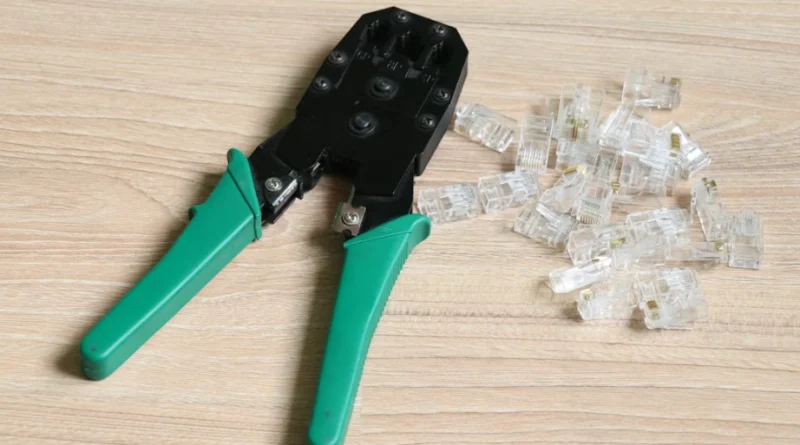
Is a Ratchet Crimping Tool Superior in Precision vs Non-Ratchet Designs
Ratchet vs Non-Ratchet Crimping and Pressure Control
Crimping tools play a key role in electrical and mechanical connections. They help make sure that terminals, connectors, and wires join together securely. The main difference between a ratchet crimping tool and a non-ratchet one shows up in the way they work and how well they handle pressure. For workers who need exact results, this choice can mean the difference between a strong link and one that might fail later. Think about it in a busy shop—picking the right tool keeps things running smooth without surprises.
What Is a Ratchet Crimping Tool?
A ratchet crimping tool has an inside ratcheting system. This system locks the handles in place until the crimp job finishes completely. As a result, every crimp gets the same amount of pressure before it lets go. The setup stops the tool from opening too soon. That issue happens a lot with non-ratchet types when people get tired or guess the force wrong.
People often pick this tool for jobs that repeat a lot, like putting together wiring harnesses. Here, steady results count more than going fast. The handles move in a easy way. Plus, the ratchet lets you put on steady force without just using your hand power alone. When you reach the right squeeze level, the ratchet lets go by itself. This setup cuts down on mistakes from people. It also makes sure the work quality stays the same each time. In my experience from shop floors, this reliability saves headaches during long days.
How Does a Non-Ratchet Crimping Tool Work?
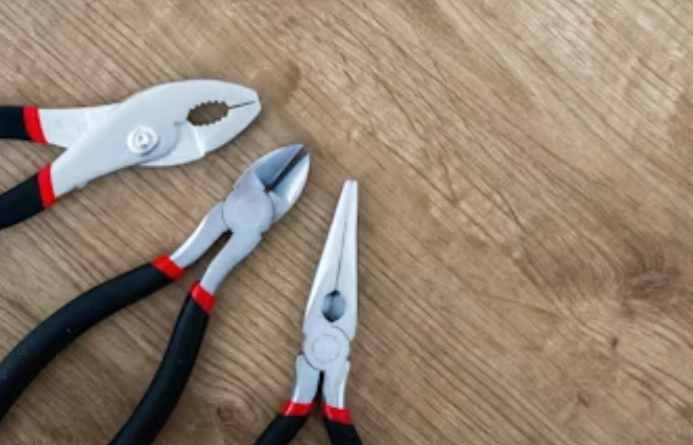
Non-ratchet crimpers are basic tools. They rely fully on the pressure you apply by hand. These tools have no lock or release part. So, you choose when to stop pressing based only on how it feels. Sure, they weigh less and cost less money. But they can give uneven results. This depends on how strong your grip is or if you’re worn out.
For jobs in the field or fast fixes where quick work beats accuracy, non-ratchet tools still get used. However, they need skill to skip under-squeezing or over-squeezing. That mistake often causes loose electrical links or hurt terminals. In small jobs, they work fine. But they don’t suit places that need top-level trust. Imagine a quick roadside repair—sometimes speed wins, even if it’s not perfect.
Why Pressure Control Matters in Crimping?
Pressure control decides how tight a connector holds the wire without breaking it. If the pressure is too low, the connection conducts power poorly. If it’s too high, it can crack wire parts or bend terminals out of shape. A ratchet crimping tool comes with built-in setup to keep the squeeze steady for many crimps. This lowers the need to fix things over and over.
On the other hand, non-ratchet tools count on what you think for each press. It’s okay for one-off tasks. But it’s chancy for big production lines where everything must match. In fields like car wiring or plane electronics, small differences can cause lost signals or breaks under shakes and bumps. For example, in automotive work, I’ve seen a tiny crimp flaw lead to dashboard lights flickering after a bumpy drive.
Key Differences Between Ratchet and Non-Ratchet Tools
Consistency of Crimps
Ratchet systems give the same crimp each time. Their closing steps won’t stop halfway. Non-ratchet types change based on how you hold it and your hand power. Over days of work, this unevenness can hurt the final product quality. You might need extra checks to keep things in line. It’s like baking cookies—ratchet keeps them all the same size, while non-ratchet might give you some big and some small.
Ergonomics and Fatigue
Ratchet handles spread the work evenly over their full range. This cuts down on tiredness during repeated squeezes. Non-ratchet tools need you to push hard all at once. That wears you out fast in long work periods. It also raises the risk of weak crimps by the end of a shift. Workers often notice their hands ache more with the basic ones, especially after 50 or so crimps in a row.
Maintenance and Calibration
Ratchet tools need checks for setup now and then to stay accurate. But their parts hold up well and don’t shift much. Non-ratchets lack any setup system. Wear just changes how they act slowly until problems show up. In a team setting, this means more surprises if one tool starts acting off after heavy use.
Application Suitability
For approved setups like phone panels or plane systems, where records require steady process checks, ratchet types fit better. They promise full squeeze cycles right from the design. This makes meeting rules simpler. Non-ratchet might work for less strict spots, but not where every detail counts.
Selecting the Right Tool for Your Application
Deciding between these tools comes down to what you value in your daily work—quick pace or solid trust—and how much change in results you can handle. If you do hundreds of the same joins each day, buying a set-up ratchet unit pays off. It saves time you would spend looking over connections later.
That said, if you only add connectors now and then during upkeep trips or test builds where bendability beats steady output, a good non-ratchet tool saves cash. When looking at choices from makers, see if they offer swap-out dies for various connector sizes. These add-on die kits make the tool last longer. I recall a project where modular dies turned a basic tool into a workhorse for mixed jobs.
Common Mistakes When Using Ratcheting Tools
Even pros sometimes skip full closing steps. They force an early let-go using side levers meant just for stuck parts. This wipes out the point of steady squeezing. Another usual problem comes from bad die setup. Wrong-aligned dies make bumpy crimps, even with great ratchet work.
Don’t forget to add oil. Dry turning spots make the inside fight more. This leads to off pressure spread as time goes on. In one workshop I visited, skipping lube caused a whole batch of crimps to fail pull tests—lesson learned the hard way.
Calibration and Verification Practices
In pro settings, teams use pull-test tools on sample crimps from each group. This checks if the hold strength meets rules like MIL-T-7928 standards. Set check times—often every six months—keep the measure true. This matters a lot when several workers use the same gear over shifts.
Handheld force checkers can also prove the handle push stays in the maker’s set limits. This helps keep electrical work steady across big runs. For instance, in a factory line doing 1,000 crimps a day, these checks caught a drifting tool before it spoiled a full order.
FAQ
Q1: What advantage does a ratchet crimping tool provide over manual ones?
A: It puts even pressure on automatically with its lock setup. This makes sure crimps stay the same no matter how strong the worker is.
Q2: Can non-ratcheting tools achieve professional-grade results?
A: Yes. But it takes hands with real skill to judge the right squeeze by sight and touch. Without that, outcomes differ a lot between users.
Q3: How often should a ratcheting tool be recalibrated?
A: Usually every six months. This depends on how much you use it and things like dust or heat that affect the inside spring steadiness.
Q4: Why do some technicians still prefer non-ratcheting models?
A: They’re not as heavy. You can take them into small spots easier. They also let you work quicker on small repair jobs where matching exactly isn’t a must.
Q5: Does excessive pressure damage wires during crimping?
A: Yes. Too much squeeze breaks wire threads. It cuts down bend and raises push-back. This leads to early link breaks under weight or shakes over time.


