
What Makes Roofing Screws The Critical Factor In Metal Panel Durability
Why Are Roofing Screws Essential for Metal Panel Durability?
Metal roofing setups depend a lot on exact fastening parts. Roofing screws stand out as key players in keeping up the strength and weather resistance of metal panels. Pick and fit them right, and they help your roof stand up to strong winds, heat changes, and rust for many years. I remember a project in the Midwest where basic screws failed after just a few harsh winters, but better ones held strong. That real-world lesson shows how vital they are.
Structural Integrity and Load Distribution
Roofing screws hold metal panels firmly to their base. They create a steady path for loads that fights off outside pressures like wind pull or heavy snow. A well-fastened panel stays put and does not bend when heat rises or falls, or when bad weather hits. The screw’s shape, especially its top and thread pattern, spreads out the weight evenly over the area. This cuts down on weak spots that might cause cracks from wear or breaks in joints. In real tests for hurricanes, you can spot the gap. Roofs with good screw spacing stay solid. But ones with spotty fastening lift up at the sides. Think about a flat warehouse roof in Florida—proper setup meant no damage after a big storm, while a nearby one needed full replacement.
Corrosion Resistance and Material Longevity
Top-notch roofing screws come with covers or use stuff that fights rust well. Zinc-coated or stainless steel types work great in damp places. They build shields against rust. Such resistance not only lasts the screw’s life but also protects the panel it holds. Rust can spread and mark or weaken nearby metal. In spots near the sea where salt air speeds up rust, people often pick marine-grade stainless steel. It costs more at first. Yet it saves money on fixes down the road. For example, a beachside home in California used these, and after 15 years, they looked almost new, unlike cheaper options that pitted quickly.
Precision Engineering and Installation Accuracy
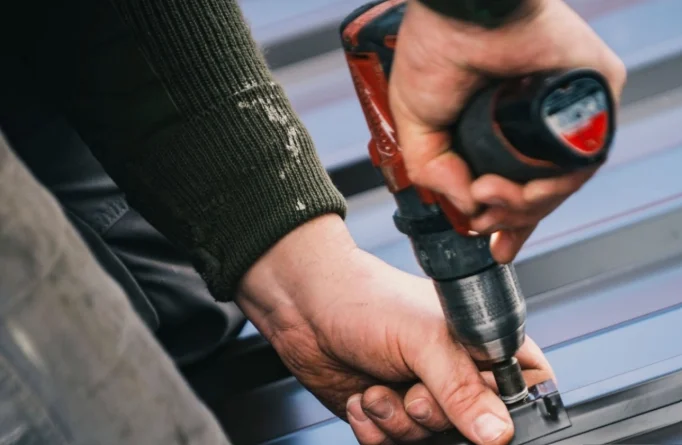
The build of a roofing screw decides how well it grabs the base. Things like thread slant, spacing, and body width all play into pull-out power. Use steady turning force when putting them in. That gives even squeeze across every panel edge. Too weak a turn lets things move. Too strong can smash seals or twist panels. Exact fitting also cuts small openings between seals and metal faces. These tiny spots can let water sneak in and start leaks as time goes on. On a rainy day install, I’ve seen crews skip this, leading to drips inside months later—avoid that hassle.
How Does Screw Design Influence Metal Panel Performance?
Screw build has a big hand in how a roof handles weight and weather strain. Each part, from top style to thread kind, has its own job in holding things together.
Head Shape and Washer Integration
Various top shapes like hex, pan, or truss control how well turning force goes from tool to screw. Hex tops show up often since they slip less when you drive them. Built-in seals under the top block water and soften shifts from heat between panel layers. As years pass, the right top form fights off coming loose from shakes. This happens a lot in windy spots or near machines that vibrate. Picture a factory roof near a highway—those hex heads kept everything tight despite truck rumbles every day.
Thread Type and Pitch Optimization
Self-drilling threads slice into thin steel without needing a starter hole. This makes setup faster and keeps a good hold. Rough threads grab wood beams better. Fine ones fit thin metal bases where exact fit counts more than deep bite. The right thread space boosts hold under moving loads like sudden winds or earth shakes. In a quick build on a tight schedule, self-drillers saved hours, and the roof passed all pull tests with flying colors.
Point Design and Penetration Efficiency
The tip of a roofing screw changes both the speed and the quality of setup. Drill-tip setups let you fasten into metal bases in one go, no pilot hole needed. Sharp tips cut less mess around the entry, keeping covers whole for stronger rust fight. Set depth right to avoid pushing too far, which strips threads, or not far enough, leaving space under seals. During a hot summer job, we had to watch this closely—overdoing it warped a few panels, but adjustments fixed it fast.
What Role Does Material Composition Play in Screw Durability?
What the screw is made of sets how long it will work before it wears out or rusts. Pick from carbon steel, stainless steel, or covered types based on the place, money, and how long you need it to last.
Carbon Steel Versus Stainless Steel Options
Carbon steel screws give strong pull at a cheap price. But they need covers to stop rust in wet spots. Stainless steel kinds fight rust on their own. That’s from the chromium that makes a tough outer layer. For spots away from the sea with steady dry air, carbon steel does the trick. For roofs by the ocean hit with salt all the time, stainless steel pays off. Take a simple garage in Texas—carbon steel held for a decade, but a salty Gulf Coast spot needed stainless to avoid early rot.
Coating Technologies for Extended Protection
New cover methods make screw life much longer. Galvanized covers put on zinc layers that give up themselves to shield the steel from air rot. Zinc-aluminum mixes fight scrapes better. Plastic covers add guard against sour rain or factory fumes. How thick the cover is sets the life span. Thicker means it holds up longer to sun rays or rub from bits. In polluted city builds, these coatings turned what could be a two-year fail into 20 years of solid work.
Compatibility Between Screw and Panel Materials
Mixing different metals can start rust from electric action when water links them. To stop this zap reaction, pair screw stuff close to your panel type. For instance, use fasteners that match aluminum for aluminum sheets. Or put barrier seals between unlike metals. This easy fix stops early wear seen as white dust around screw tops. One time, a mismatched setup on a barn led to spots in under a year—switching fixed it, and no issues since.
Why Is Fastener Placement Critical in Metal Roofing Systems?
The best screw does no good if put in the wrong spot. Where you place fasteners decides how even weight spreads over panels and how tight edges stay against rain and wind.
Optimal Spacing for Structural Balance
Even gaps keep weight spread fair along beams and strips. Too many screws make extra weak points that might chip paint or bend ridges. Too few leave panels open to lift in storms. Makers often say to space them about 12 inches along edges. This mixes safety with smart use of stuff. On a school roof project, sticking to that spacing passed wind checks at 90 mph without a hitch.
Alignment with Panel Ribs and Seams
Put fasteners right along panel ridges where water runs off easy. Off-center screws block water paths and risk drips at joins or low spots. Good line-up also keeps the look smooth over big roof areas. Architects spot this quick on shiny finishes. In a modern office build, poor alignment caused ugly streaks—realigned, and it looked pro.
Thermal Expansion Considerations in Placement Strategy
Metal grows in sun heat and shrinks in night cold. Smart placing lets this shift happen without twisting joins or yanking screws free over time. Bendy patterns cut heat flow through metal links. This helps keep inside temps steady for better energy save. For a sunny Arizona warehouse, we spaced for expansion, and no cracks showed after five hot summers.
How Do Environmental Conditions Affect Screw Performance Over Time?
Weather hits even the best roofing screws bit by bit. Think wet-dry cycles, heat-cold swings, sun burn, wind push, and ground shakes.
Exposure to Moisture, Salt, and Chemicals
Places by the sea speed rust with salt bits landing daily. Factory areas bring sour stuff from smoke that eats covers quick. Check often to spot early pits or color changes before harm spreads past screws. A dockside shed in Maine got checks every quarter, catching a few bad ones early and saving a full re-roof.
Temperature Variations and UV Radiation Impact
Big heat swings make seals around washers soft. Long sun hit turns plastic parts hard and cracky after years. Pick sun-proof washer stuff to keep bend so seals stay dry tight in dry lands or high spots. In Nevada deserts, UV-stabilized ones lasted twice as long as plain, no leaks after blazing days.
Wind Load and Seismic Activity Influence
Moving winds test hold strength over and over in a roof’s life. In shake zones, tough but flexible screws take vibes without threads pulling free. Build-grade fasteners for repeat pulls keep things whole where normal ones might slip bit by bit after shakes. After a mild quake in California, rated screws on a store roof stayed put, while others needed tweaks.
What Are the Key Installation Practices That Enhance Screw Efficiency?
Even great stuff flops if fit wrong. Careful steps count as much as picking the right item in build time.
Torque Control During Fastening Process
Steady turn force stops thread rip or seal smash under screw tops. Use set tools to keep squeeze the same at every spot. So each screw helps hold the build strong and dry. New teams often miss this in fast big jobs. But it pays off—uniform torque meant no loose bits on a 10,000-square-foot factory roof we did.
Pre-drilling Versus Self-drilling Techniques
Drill first for thick beams that need spot-on line through layers. Self-drill for thin sheets where quick beats exact. Pick based on base thickness. Heavy factory roofs often want starter holes. Home sheet roofs gain from self-drill speed. In a barn raise, self-drills cut time by half, no quality drop.
Inspection and Maintenance Protocols Post-installation
Regular looks find early loose from shakes or heat shifts long before water shows inside. Plan checks stretch panel years and trust by swapping bad screws quick. Don’t wait for marks or clinks in storms. A hotel chain’s yearly checks caught issues early, dodging big repair bills.
How Can Engineers Optimize Screw Selection for Specific Applications?
Choosing right roofing screws means weighing pull needs with look aims and money facts. Engineers fine-tune this by close project looks, not wild guesses.
Evaluating Load Requirements Based on Roof Design
Weight math sets right length, width, pull rate, and screw count per panel part. It ties to wind push from local rules. Match fastener power exact to skip extra cash on big gear and dodge weak spots in bad weather. For a sloped home in tornado alley, we calc’d for 120 mph winds—spot-on choice passed with room to spare.
Considering Aesthetic Integration with Architectural Goals
On seen roof parts like shop fronts or edge seams at eye height, match color tops keep even look with painted panels. Low tops cut shine in sun. These small bits boost build match more than folks think at start. In a trendy mall redo, color-matched ones blended seamless, wowing the clients.
Balancing Cost Efficiency with Long-term Reliability
Full-life money check weighs buy price against fix times over years, not just first savings. High-end stainless might double start cost but triple years over cheap coated. Many site heads see this worth when they add up all own costs real. A chain of stores switched, and upkeep dropped 40% over a decade—smart move.
FAQ
Q1: What type of roofing screw is best for coastal environments?
A: Stainless steel screws are ideal because their chromium oxide layer naturally resists salt-induced corrosion common near oceans.
Q2: How often should you inspect roofing screws after installation?
A: Inspections every six months help detect early signs of loosening or rust before leaks develop into costly repairs.
Q3: Can self-drilling screws replace pre-drilled ones entirely?
A: Not always; self-drilling models work well in thin-gauge materials but struggle with thicker beams requiring precise alignment holes first drilled manually.
Q4: Why does torque control matter so much during installation?
A: Incorrect torque either strips threads if overtightened or leaves gaps if too loose—both leading eventually to leaks under heavy rain conditions.
Q5: What causes galvanic corrosion between panels and screws?
A: When dissimilar metals contact each other in presence of moisture an electric current forms causing one metal (usually less noble) to corrode faster than normal rates.


