Rotary Hammer vs Hammer Drill Which Ensures Superior Concrete Penetration
Understanding the Core Differences Between Rotary Hammers and Hammer Drills?
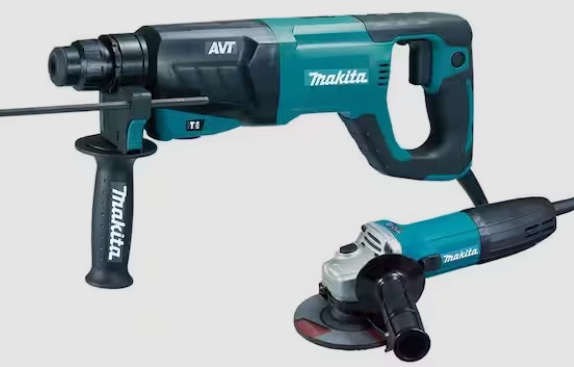
Picking a rotary hammer or a hammer drill can really affect your work when you deal with concrete. These tools seem alike at first look. But their inside workings and main jobs set them apart a lot. You probably know they both give banging force. Yet the way they make that force, and how well they pass it on, shapes how they do in everyday tasks.
Mechanical Function and Impact Mechanism
Rotary hammers use a piston setup that squeezes air to build strong hitting power. This air-based action lets the tool hit hard with little push from you. It fits well for making holes in thick stuff like strong concrete with metal bars inside. The movement stays mostly straight. So it goes deeper with not as many turns.
Hammer drills work with a gear link system. In this, two toothed metal plates rub to make quick but softer hits. This setup does okay for small openings or easy stone work. But it has trouble with heavy blocks or concrete full of bars. The way they create hits changes how they drill. Rotary hammers give steady strength. Hammer drills rely more on turning speed.
Picture this: you try to drill through a 6-inch thick concrete wall with a hammer drill. The tool slows down fast. This shows its gear-based hits aren’t made for long tough jobs. I’ve seen workers switch tools mid-job because of that bogging down. It wastes time on site.
Power Source and Performance Output
Rotary hammers often run on SDS or SDS-Max setups. These special holders grip bits tight and send power smoothly. You can press steady without slipping. They suit work teams on big building jobs.
Hammer drills mostly use regular three-jaw holders that fit small bits. They work fine for wood or simple stone tasks. But they can’t take the pull needed for deep concrete holes. Weight compared to power matters a ton here. A rotary hammer might feel heavy. Still, it gives more push per pound. So you finish quicker with less tiredness.
Think about putting bolts into a base or cutting through concrete beams. An SDS-Max rotary hammer beats even the strongest hammer drill. In my experience from construction sites, that extra power saves hours on big pours.
Evaluating Efficiency in Concrete Applications?
Drilling speed isn’t only about going fast. It’s about how well power moves from the tool to the hard surface. Concrete can vary in toughness. So knowing this helps pick the best tool for steady work.
Penetration Rate and Drilling Speed
Rotary hammers go deeper because their piston part gives fewer but bigger hits each minute. Each hit breaks off a good chunk of stuff. It does this without too much spinning. That’s why, even at slower turns, they keep up good speeds in hard ground.
Hammer drills do best on thin layers or crumbly stone. There, fast soft hits stop breaks. Their quicker spins help push out dirt fast. But that doesn’t mean deeper holes when things get tough. The bit shape counts too. A grooved hard metal bit with a rotary hammer slices through rocks clean. It avoids getting too hot.
For instance, in fixing roads, teams put rebar sticks into holes. They pick rotary hammers. These keep hole sizes even across different hard concrete spots. One crew I know drilled 50 holes in a day without issues, while a hammer drill team lagged behind.
Energy Transfer and Vibration Control
The air action in rotary hammers moves power better than gear ones. There’s little touch between parts when it hits. So less power turns to rub or warmth. New models have good shake reducers. These cut down tiredness for long work. That’s key for drilling up high or sideways for hours.
Steady hit power also keeps hole sizes and depths the same. This matters for sticking in glue anchors or exact fittings. Wrong sizes can weaken building strength. Plus, in dusty sites, that control helps you see better and work safer.
Tool Design Considerations for Professional Use?
Tool build affects not just speed but also ease and exactness over long times. Pros look at holder type, handle feel, and weight spread when choosing these tools.
Chuck Systems and Bit Compatibility
SDS, SDS-Plus, and SDS-Max Interfaces
Each type fits certain bit lengths and pull needs. SDS-Plus works for medium jobs like putting anchors up to 1 inch wide. SDS-Max takes bigger bits for breaking or cutting jobs over 2 inches. Picking the right bit boosts exact work and tool life. Wrong bits cause shakes or quick damage to inner parts.
Standard Chuck Limitations in Heavy Concrete Work
Regular holders on hammer drills slip easy under big pull. When you hit a hard rock inside, the bit might turn loose in the grip. This leads to off-center holes or ones that don’t finish. Less steady work means uneven results in strong areas where right placement is vital.
Ergonomics, Weight Distribution, and Handling Precision
A well-placed design cuts hand strain for up-drilling like putting pipes in ceilings. Extra handles help steady with two hands in strong hits. Weight spread is big too. A balanced rotary hammer seems less heavy. Its heavy spot stays near your grip, not out front.
Some workers use shake-proof gloves or straps for up jobs. These small adds make full days safer and quicker. I recall a site where better handles dropped injury reports by half.
Assessing Durability and Maintenance Requirements?
How long a tool lasts ties to how it handles inside stress and keeps cool during steady runs. Hard users check wear after many hours of work.
Component Wear Under Continuous Operation
Rotary hammers have less damage to gear links. Their air hit systems keep shocks away from turning parts. No direct rub in each hit means insides stay good longer. This holds up in daily shop use.
Hammer drills use gear links that face steady metal rubs when hitting mode is on. Over months, this wears cams and rollers faster. You need checks more often after lots of repeat drilling.
Cooling Systems and Dust Management Integration
Good air paths in rotary hammers stop overheat in long runs. They guide fresh air to motor coils and gear boxes. Built-in dust pull spots keep views clear. They also lengthen motor life by blocking grit from air holes.
Many small hammer drills miss these cool paths. Their tight shells hold heat quick under heavy work. This limits them for back-to-back deep holes without breaks. On a hot day job, that can mean waiting times you don’t want.
Selecting the Appropriate Tool Based on Project Demands?
Deciding on these tools comes down to the stuff you face and how much you use them at work.
Structural Concrete vs Light Masonry Applications
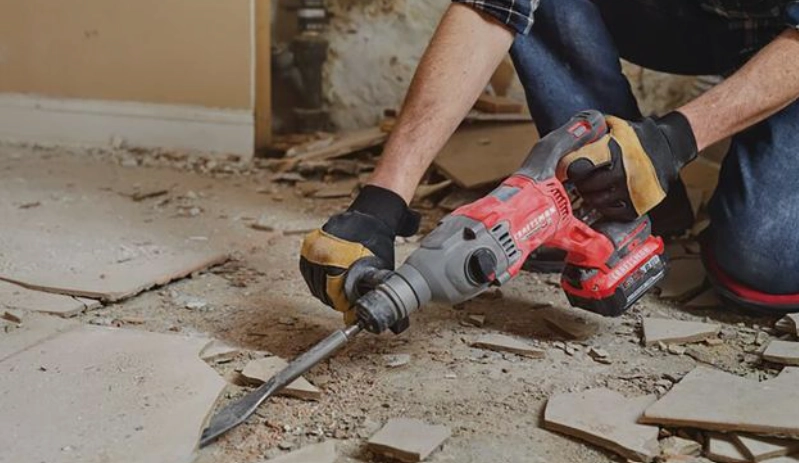
Rotary hammers shine in base structures with thick rocks that need big hits. Like bridge supports or factory floors with bolt anchors through bar frames. They work well for easy breaking too, such as pulling up old floor tiles or small slab parts. No need to grab another tool halfway.
Hammer drills fit putting anchors in brick sides or hanging items on coated stone walls. Too much shake there could split things. Their light build makes them simple to move inside or up high. Where easy carry beats raw power.
Balancing Cost, Efficiency, and Operational Scope
Buying a rotary hammer pays off in more output if your jobs often hit thick concrete or repeat cuts over sites. For small shops with now-and-then fixes, a solid hammer drill saves money. It gives enough without buying extra power you won’t use.
Look at how often you work, how hard the stuff is, and how exact you need to be. This guides your pick better than one spec list. Old hands in the field know this from years out there. Sometimes, starting with a rental helps test before you buy.
FAQ
Q1: What is the main difference between a rotary hammer and a hammer drill?
A: A rotary hammer uses a piston-driven pneumatic mechanism delivering stronger impacts suitable for heavy-duty concrete work, while a hammer drill employs a mechanical clutch producing lighter blows ideal for thin masonry surfaces.
Q2: Can I use regular drill bits in an SDS chuck?
A: No, standard bits are incompatible because SDS systems require specially grooved shanks designed to lock securely into place under high torque conditions.
Q3: Which tool is better for overhead drilling?
A: Rotary hammers with balanced weight distribution and vibration control features provide better handling comfort during overhead applications compared to heavier traditional hammer drills lacking damping systems.
Q4: How often should these tools be serviced?
A: Rotary hammers generally need less frequent maintenance thanks to their pneumatic design; however mechanical clutch-based hammer drills may require inspection after every few months of heavy use due to component wear.
Q5: Is investing in an SDS-Max rotary hammer worth it for small projects?
A: Only if your work regularly involves thick reinforced concrete; otherwise an SDS-Plus model or robust hammer drill offers sufficient performance at lower cost while remaining easier to handle for short-duration tasks.


