
Are Galvanized Pipe Fittings More Durable Than Black Pipe Options
Black vs Galvanized Pipe Fittings
In industrial and construction systems, the choice between black and galvanized pipe fittings defines both performance and maintenance requirements. Galvanized steel pipe fittings, with their zinc coating, resist corrosion effectively in wet or outdoor environments. Black pipe fittings, made from uncoated carbon steel, excel in high-temperature gas or steam applications. For long-term exposure to moisture, galvanized fittings last longer; for heat-intensive systems, black fittings are more stable. The right selection depends on environmental conditions, temperature tolerance, and service life expectations.
Understanding the Composition of Galvanized and Black Pipe Fittings
The structural makeup of these two fitting types determines their suitability across industries. Both are steel-based but differ in surface treatment and resistance properties.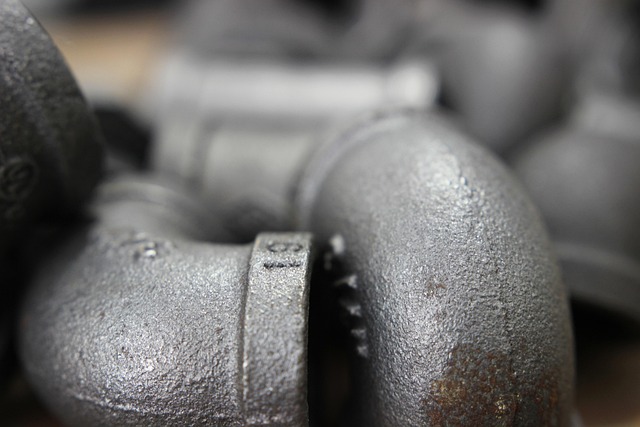
Material Characteristics of Galvanized Steel Pipe Fittings
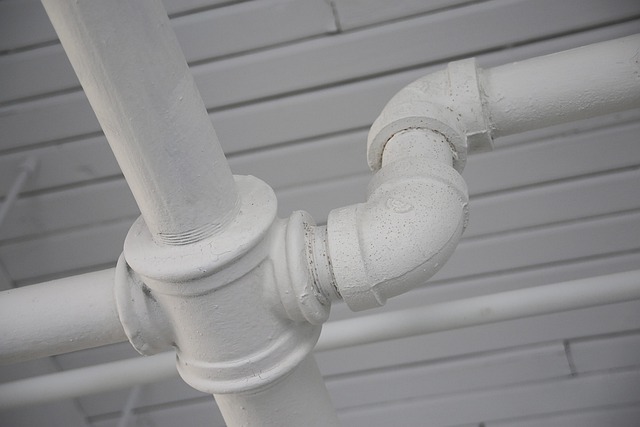
Galvanized steel pipe fittings feature a zinc layer that shields the underlying steel from corrosion. The galvanization process can be either hot-dip or electro-galvanic, influencing both coating thickness and uniformity. The zinc layer acts as a sacrificial barrier that corrodes first, protecting the steel beneath. This property makes galvanized pipes ideal for plumbing and outdoor installations where humidity is constant.
Structural Properties of Black Pipe Fittings
Black pipe fittings consist of uncoated carbon steel, primarily used in gas distribution or steam systems. Their dark appearance results from the iron oxide scale formed during manufacturing rather than any applied finish. While their mechanical strength equals that of galvanized fittings, they lack corrosion protection and thus require controlled environments to prevent rusting.
Comparing Durability Under Various Environmental Conditions
Durability assessments often focus on corrosion resistance and thermal performance. Each type responds differently to moisture exposure and temperature variations.
Corrosion Resistance and Longevity
Galvanized coatings enhance moisture resistance by forming stable compounds like zinc oxide and zinc carbonate when exposed to air or water. These compounds slow further oxidation of the base metal. In contrast, black pipes corrode rapidly without protection when exposed to humidity or chemical agents. Therefore, protective paints or inhibitors are often applied to extend their lifespan.
Performance in High-Temperature Applications
At elevated temperatures above roughly 200 °C, the zinc coating on galvanized pipes can degrade or emit fumes, compromising safety during welding or heating processes. Black pipes maintain structural stability under such conditions, making them suitable for steam lines or industrial furnaces where heat retention matters more than corrosion resistance.
Maintenance Requirements and Service Life Considerations
Maintenance practices vary depending on exposure conditions and system design. Regular inspection significantly affects long-term reliability.
Inspection and Upkeep Practices for Galvanized Fittings
Routine inspections detect early signs of white rust—a powdery deposit indicating localized breakdowns in the zinc layer. When damage occurs, recoating with zinc-rich paint restores protection effectively. Proper drainage design also prevents stagnant water accumulation that accelerates corrosion at joints or low points.
Maintenance Demands for Black Pipe Systems
Black pipe systems demand frequent cleaning to remove internal scaling caused by condensation or water exposure. Applying anti-corrosive coatings extends service life but adds maintenance costs. Environmental control through regulated humidity reduces oxidation rates inside enclosed facilities such as boiler rooms.
Economic and Practical Factors Affecting Material Choice
Selecting between black and galvanized fittings involves balancing upfront cost with operational longevity.
Cost Implications Over Time
Galvanized fittings generally cost more initially because of the galvanizing process but require less maintenance over decades of use in corrosive settings. For indoor dry environments like gas lines within buildings, black pipes offer better cost efficiency without sacrificing mechanical strength.
Installation and Compatibility Aspects
When combining galvanized with black components, thread compatibility must be checked carefully to avoid galvanic corrosion at contact points between dissimilar metals. Welding galvanized materials requires strong ventilation since heating releases zinc fumes harmful to workers’ health. Using dielectric unions helps isolate materials electrically to prevent electrochemical reactions in mixed-metal systems.
Application-Specific Suitability in Industrial Systems
Different industries prioritize temperature limits, fluid type, and environmental exposure when choosing fitting materials.
Use Cases Favoring Galvanized Pipe Fittings
Galvanized steel pipe is widely used for water supply lines, HVAC frameworks, outdoor piping networks, and marine structures where salt air accelerates rust formation on untreated steel. Its corrosion resistance aligns with regulatory standards for potable water delivery systems requiring non-reactive surfaces against mineral-rich fluids.
Scenarios Where Black Pipe Fittings Are Preferred
Black pipe dominates gas transmission networks due to its ability to handle high pressures without flaking coatings into the flow path. It’s also common in fire sprinkler backbones where welding integrity is critical for safety compliance under high heat conditions typical during emergencies.
Advancements in Protective Coatings Beyond Traditional Galvanization
Recent developments have introduced new coating technologies offering superior performance compared with conventional zinc layers.
Emerging Alternatives to Zinc-Based Protection
Alloy coatings containing zinc-aluminum-magnesium (Zn-Al-Mg) deliver enhanced corrosion resistance even with thinner films than traditional galvanization methods. Powder coatings further improve abrasion tolerance while maintaining electrical conductivity required for grounding applications in industrial plants.
Integration of Phosphating as a Complementary Process
Phosphating treatment forms microcrystalline phosphate layers that increase adhesion between metal surfaces and subsequent paints or sealants. This method improves wear resistance by reducing friction during assembly operations involving threaded joints. Combining phosphating with galvanization creates a dual-layer defense system ideal for aggressive industrial settings such as chemical processing plants where both heat and moisture coexist continuously.
FAQ
Q1: Can galvanized steel pipe be used for natural gas lines?
A: No, it’s not recommended because the zinc coating can flake off under high heat or react with sulfur compounds present in natural gas streams.
Q2: How long do galvanized pipes typically last outdoors?
A: Depending on climate conditions, they can last 40–50 years before significant rusting occurs if properly maintained through periodic inspections.
Q3: What causes white rust on galvanized surfaces?
A: It develops when newly galvanized metal remains wet without adequate airflow; this leads to rapid oxidation of fresh zinc before stable oxides form naturally.
Q4: Why are black pipes preferred for steam applications?
A: They maintain dimensional stability under high thermal stress since no coating layer exists that might peel off when heated repeatedly.
Q5: Does phosphating replace galvanizing entirely?
A: Not necessarily; phosphating complements galvanization by improving paint adhesion and wear resistance rather than serving as a full corrosion barrier itself.


