
Can a Coping Saw Deliver Precision Like Josh Woodell Shows in Trim Work
Josh Woodell Demonstrates Using a Coping Saw for Trim
Precision trim work demands both accuracy and adaptability. Josh Woodell’s demonstration of the coping saw highlights how traditional craftsmanship still holds a critical place in modern woodworking. While CNC routers powered by Vectric’s VCarve software deliver unmatched consistency, the coping saw excels in nuanced adjustments that machines can’t replicate. The most efficient workflow often merges both methods: CNC for speed and repeatability, hand tools for artistry and final fitment.
The Role of the Coping Saw in Precision Trim Work
Trim carpentry often involves complex intersections where precision defines quality. The coping saw remains an essential instrument for this work, offering tactile control that no automated system can fully replace.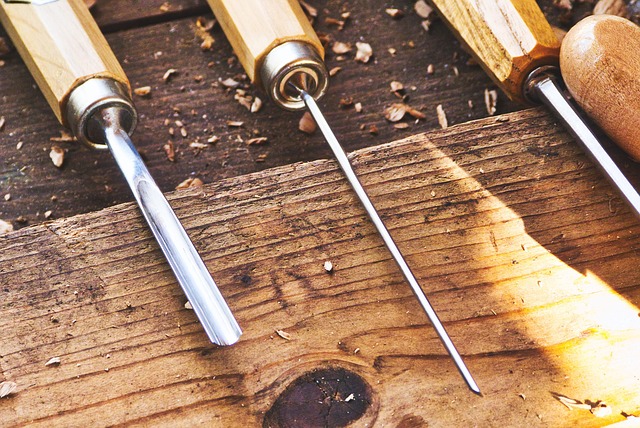
Understanding the Function and Design of a Coping Saw
The coping saw’s thin, tensioned blade allows it to cut intricate curves in wood and molding with minimal material loss. Its U-shaped frame provides clearance for tight turns, enabling artisans to follow detailed profiles such as crown molding joints or decorative trims. The handle’s orientation gives direct feedback through the user’s hand, allowing real-time correction during cutting. This tactile connection is especially valuable when fitting trim against irregular walls or vintage structures where measurements alone are unreliable.
Evaluating Precision in Manual Trim Techniques
Experienced craftsmen rely on sight alignment and subtle pressure control to achieve seamless joints. Blade sharpness directly affects cut accuracy; a dull edge causes tear-out and uneven surfaces. Material density also influences performance—softer woods demand slower strokes to avoid compression marks, while hardwoods require steadier motion to maintain line integrity. Manual finishing after sawing allows micro-adjustments—small refinements that sanders or routers might overlook—producing joints that appear naturally continuous once painted or stained.
Comparing Handcrafted Precision to CNC Router Capabilities
CNC routers have transformed woodworking by delivering repeatable precision across large production runs. Yet manual tools like the coping saw remain relevant because they adapt instantly to imperfections that digital systems cannot predict.
How CNC Routers Achieve Consistency in Trim Work
CNC routers depend on pre-programmed toolpaths generated from CAD or CAM software such as VCarve. Each pass follows exact coordinates, ensuring identical cuts across multiple components. High-speed spindles combined with rigid gantry frames maintain dimensional stability even during prolonged operation. Software calibration minimizes operator error while preserving design fidelity from digital model to finished piece. This level of consistency is vital for architectural millwork firms producing hundreds of identical moldings or panels.
Where Manual Tools Still Excel Over Automated Systems
Despite automation’s precision, manual trimming with a coping saw offers flexibility unmatched by machines. Walls are rarely perfectly straight; corners may vary by fractions of a degree. A craftsman using a coping saw can instantly adjust angle and depth during fitting without reprogramming any toolpath. This responsiveness ensures snug joints even when environmental conditions cause wood expansion or contraction. Moreover, artisans retain aesthetic control over grain direction and joint visibility—details often lost when relying solely on automated routing.
Integrating Traditional Craftsmanship with Vectric CNC Workflow
Blending manual skill with digital fabrication yields superior results in both efficiency and craftsmanship quality. Many professional shops now adopt hybrid workflows combining CNC roughing with hand-finishing techniques.
Using VCarve Software for Trim Design Preparation
VCarve transforms 2D drawings into precise toolpaths optimized for router operations, allowing designers to visualize trim profiles before machining begins. Layered designs enable selective routing depths, useful when creating multi-level moldings or decorative reliefs. Digital templates ensure every component matches across large-scale installations while maintaining original design intent—a major advantage when coordinating between multiple craftsmen or subcontractors across different sites.
Hybrid Workflows: Combining CNC Roughing with Hand Finishing
In modern workshops, CNC routers perform bulk material removal first, shaping general contours quickly and accurately. Craftsmen then step in with coping saws or chisels to refine edges and perfect joints where machine tolerances fall short of visual perfection. For example, after routing crown molding blanks on a VCarve-driven router, an artisan might use a coping saw to fine-tune inside corners so adjoining pieces meet seamlessly along uneven ceilings. This combination preserves efficiency while showcasing human artistry.
Assessing Job Types Best Suited for VCarve-Based Router Processes
Not all woodworking projects benefit equally from automation; understanding which tasks align best with VCarve workflows helps allocate resources effectively between machine and hand labor.
Ideal Applications for CNC Trim and Joinery Workflows
Custom Architectural Molding Production
Architectural moldings often require consistent reproduction across multiple rooms or buildings. Digitally modeling these profiles in VCarve allows precise replication without repeated manual setup time. Once programmed, each molding run maintains symmetry within fractions of a millimeter—an advantage especially relevant for large commercial interiors demanding uniform detail alignment along extended wall lengths.
Decorative Paneling and Inlay Projects
CNC routers excel at producing intricate geometric patterns or organic motifs that would be prohibitively time-consuming by hand. Using VCarve’s vector-based design tools, artisans can experiment with layout variations digitally before cutting begins, reducing waste during prototyping phases. Tight tolerances achieved through computer-controlled routing make it possible to assemble multi-material inlays—such as wood combined with brass or resin—with perfect edge matching.
Furniture Components Requiring Repetition and Accuracy
For furniture makers producing series pieces like chair backs or cabinet doors, CNC workflows guarantee geometric consistency throughout production runs. Automated toolpaths reduce setup errors while maintaining uniformity across batches—a critical factor when assembling modular furniture systems where small deviations could affect structural fitment or aesthetic balance.
Evaluating Precision Outcomes: Hand Tools vs CNC Systems
Both manual and digital methods achieve high standards of precision but differ fundamentally in tactile feedback and adaptability during finishing stages.
Measuring Tolerances and Edge Quality in Finished Workpieces
Edge quality depends heavily on feed rate, bit sharpness, and post-processing technique used after machining. A finely tuned CNC router produces crisp lines but sometimes leaves micro-burrs requiring sanding before assembly. Conversely, manual coping allows immediate refinement beyond machine-cut tolerances when necessary—particularly valuable on visible joints where light reflection reveals imperfections invisible at first glance.
Balancing Efficiency, Artistry, and Control in Modern Woodworking Practices
Today’s professionals rarely choose between tradition and technology; they combine both strategically. Large-scale production favors CNC efficiency while bespoke installations rely on skilled hands for final adjustments that machines cannot anticipate. Whether using a coping saw to finish routed trim edges or employing VCarve templates for repeatable designs, success lies in balancing speed with craftsmanship integrity rather than treating them as opposing forces.
FAQ
Q1: Why is the coping saw still relevant in modern woodworking?
A: It offers direct control over delicate cuts and adapts instantly to irregularities that automated systems cannot predict.
Q2: What advantages does VCarve provide over manual layout methods?
A: It converts digital drawings into precise toolpaths quickly, ensuring consistent geometry across multiple components without repetitive measuring.
Q3: Can hybrid workflows improve overall project quality?
A: Yes, combining CNC roughing with manual finishing enhances both efficiency and aesthetic precision by merging automation speed with human judgment.
Q4: Which materials benefit most from using a coping saw after CNC cutting?
A: Dense hardwoods like oak or maple respond well because hand-finishing removes minor burn marks left by high-speed bits without damaging surface texture.
Q5: How do professionals decide between hand tools and CNC routers?
A: They assess project scale, tolerance requirements, material type, and desired finish quality—choosing whichever method best meets those specific criteria rather than relying solely on one approach.


