
What Makes Aerospace Foam Essential in Modern Aircraft Design
The Engineer’s Guide to Aerospace Core Foams: PU, PE, PMI, and Metal Compared
Aerospace foam materials shape the modern aircraft industry by combining lightness with strength. They reduce weight, enhance fuel efficiency, and improve acoustic and thermal performance. The right foam type—whether polymeric or metallic—balances stiffness, density, and resilience to meet demanding flight conditions. This article analyzes the engineering logic behind foam selection and production, showing how these materials quietly define aircraft safety and performance.
The Role of Aerospace Foam in Modern Aircraft Design
The use of aerospace foam has become central to advanced aerostructure design. Engineers rely on its unique combination of low density and high mechanical performance to meet strict weight targets while maintaining rigidity.
Understanding the Purpose of Aerospace Foams
Aerospace foams are not decorative fillers. They are functional materials that support load-bearing structures and interior systems. By reducing mass without compromising structural integrity, they directly influence aircraft range and fuel economy. These foams appear in cabin panels, floorboards, radomes, and even engine nacelles. The challenge lies in balancing strength, stiffness, and density. A balance that determines whether a foam fits a structural or non-structural role. A lighter foam may save fuel but must still resist fatigue under vibration or temperature changes. In practice, teams at big plants often test small samples first. They check how the foam holds up after hundreds of cycles in a vibration machine.
How Foams Support Advanced Aircraft Engineering
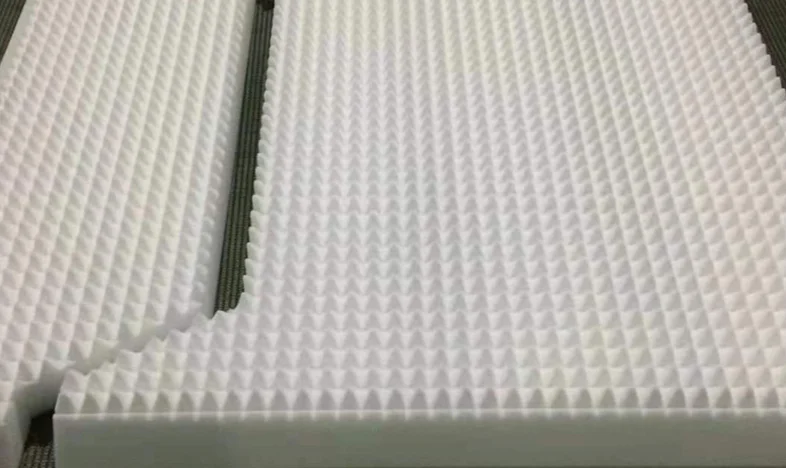
Foam materials also play a critical role in damping vibration and insulating sound within the fuselage. Their cellular structure absorbs acoustic energy. This creates quieter cabins that meet passenger comfort standards. Reducing overall mass enhances fuel efficiency. A constant priority for commercial aviation. Moreover, their adaptability allows engineers to integrate them into sandwich composites where thin skins enclose a lightweight core. This configuration is common in wing panels and control surfaces where stiffness-to-weight ratio is crucial. Think about a long flight on a twin-engine jet. Passengers notice less hum from the engines when good foam sits between the outer shell and inner walls. Maintenance crews see fewer cracks over time because the foam spreads out the stress.
Types of Aerospace Core Foams and Their Characteristics
Selecting the right core material involves understanding how each foam behaves under stress, heat, and environmental exposure. Each type—polyurethane (PU), polyethylene (PE), polymethacrylimide (PMI), or metal—serves distinct engineering needs.
Polyurethane (PU) Foam in Aerospace Applications
Polyurethane foams combine flexibility with toughness. They are widely used for seating cushions, insulation layers, and impact zones because they deform predictably under compression. Their closed-cell structure resists moisture absorption. This extends service life even in humid or pressurized cabins. In non-structural applications such as ducting or cabin linings, PU offers an excellent balance between comfort and durability without adding unnecessary weight. Workers at assembly lines often cut PU sheets by hand for quick fits around curved ducts. The material springs back after being squeezed during install. Over years of service, it keeps its shape even when cabin pressure swings up and down on every takeoff and landing.
Polyethylene (PE) Foam for Lightweight Structures
Polyethylene foams stand out for their energy absorption capacity. Their fine closed-cell microstructure provides excellent shock resistance while preventing water ingress. A valuable property for aircraft operating across varying humidity levels. PE foams often appear beneath floor panels or inside avionics bays where vibration control is critical. They also serve as thermal protection layers around sensitive electronics because their low thermal conductivity stabilizes internal temperatures. On a rainy day at the airport, ground crews see how PE blocks moisture from reaching wiring bundles. One supplier shared that a small batch of PE once helped stop a short circuit in an older cargo plane during a humid summer test run.
Polymethacrylimide (PMI) Foam for Structural Components
PMI foams are the workhorses of composite structures due to their high stiffness-to-weight ratio. These foams maintain mechanical integrity at temperatures exceeding 180°C. This makes them suitable for wings, fuselage shells, radomes, and fairings exposed to aerodynamic heating. Their compatibility with carbon fiber prepregs allows them to be co-cured during composite layup processes. A manufacturing advantage that reduces assembly time while improving bonding quality. In one wing build project, PMI cores helped the team finish layup two days early because the foam did not shift much when heat was applied. Engineers like how it stays firm even when the plane climbs fast and the skin gets warm from air friction.
Metal Foams in High-Stress Applications
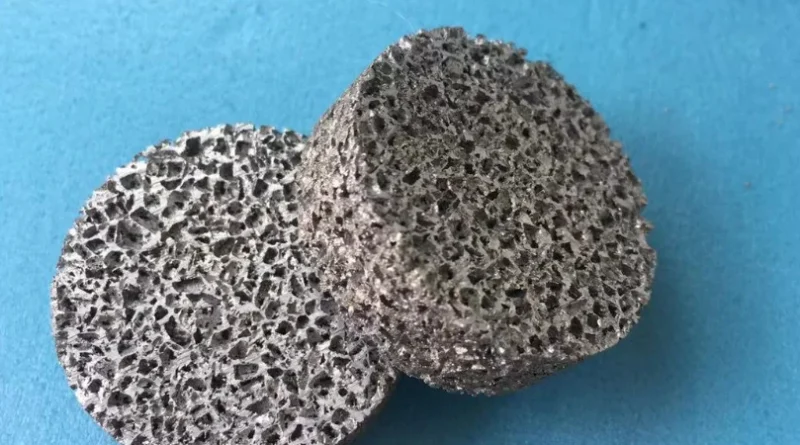
Metallic foams bridge the gap between polymers and solid metals by combining strength with reduced mass. Aluminum or titanium-based foams can withstand high loads while offering superior fire resistance compared to polymeric cores. They are ideal for heat exchangers or crash energy absorbers where both mechanical endurance and thermal conductivity matter. Engineers often use them in critical safety zones such as landing gear housings or engine mounts. During a hard landing test on a prototype, metal foam panels took the hit and kept the main structure safe. The material also handles fire better in engine areas, giving crews extra time if something goes wrong on the ground.
Engineering Considerations in Selecting Aerospace Foams
Material selection goes beyond density charts. It involves evaluating operational stresses, environmental conditions, and long-term maintenance implications.
Balancing Weight Reduction with Structural Performance
Every gram saved translates into measurable fuel savings over an aircraft’s lifespan. However, excessive lightening can compromise safety margins if stiffness drops below threshold values. Engineers therefore model foam behavior under simulated loads before committing to production tooling. Hybrid cores combining different densities sometimes offer the best compromise. Lightweight sections paired with reinforced zones where stress concentrations occur. A design team once tried three different density mixes on a tail section mockup. The middle choice worked best after wind tunnel runs showed steady performance without extra flex.
Thermal and Acoustic Requirements in Aircraft Design
Cabin comfort depends heavily on how well materials manage temperature gradients and noise transmission. Foams act as barriers against both heat flow from engines and vibrations from aerodynamic turbulence. Selection criteria include altitude-related pressure changes and exposure to fluids like hydraulic oil or deicing agents. When integrated properly with insulation blankets or composite skins, these foams maintain consistent cabin climate while protecting electronic systems from overheating. Real flights in cold northern routes show how the right foam layer stops ice buildup on inner walls. Crews report fewer complaints about cold spots near the windows after upgrades.
The Manufacturing Process of Aerospace Foam Components
Precision manufacturing ensures that each foam component meets strict dimensional tolerances required by aerospace assemblies.
Fabrication Techniques Used in Aerospace Foam Production
Production methods vary according to material type but typically involve extrusion for continuous sheets or molding for complex shapes. CNC machining cuts intricate geometries used in sandwich panels with minimal waste. Thermoforming allows curvature matching with fuselage contours while preserving cell structure integrity. Surface treatments such as plasma activation may be applied before bonding to improve adhesion between foam cores and composite skins. Shop floors often run small test pieces through the same steps as full parts. This catches any cell damage early before big batches go out.
Quality Control Standards in Aerospace Foam Manufacturing
Quality assurance follows rigorous aerospace protocols including density verification, compression testing, flammability evaluation, and dimensional inspection. Compliance with FAR 25.853 standards remains mandatory for interior applications requiring flame resistance certification. Continuous monitoring across batches guarantees uniformity. A necessity when components must perform identically across multiple aircraft platforms. Inspectors check every tenth sheet with a simple scale and gauge. They note any small voids right away and pull those pieces for rework.
Emerging Trends Shaping the Future of Aerospace Foams
Innovation continues to redefine what aerospace foams can achieve through smarter integration techniques and sustainable development goals.
Advancements in Composite Integration Technologies
Recent progress focuses on improving bond strength between foam cores and fiber-reinforced laminates using advanced adhesives or surface texturing methods. Additive manufacturing now enables tailored pore geometries that optimize stiffness distribution within a single panel. Something impossible through conventional casting alone. Smart foams embedded with sensors are being explored to detect stress accumulation or thermal shifts during flight operations. One lab showed a sensor-filled panel that flagged a tiny crack after just fifty simulated flights. The data helped adjust the next design round without full teardown.
Sustainability and Recycling Initiatives in Foam Development
The aerospace sector increasingly mirrors renewable energy industries by pursuing greener materials throughout product lifecycles. Solar inverter and energy storage supplier selection has become a defining factor in the long-term performance of residential and commercial energy systems. This same mindset applies to aerospace manufacturing. Recyclable polymers reduce landfill waste while bio-based alternatives cut carbon emissions from petrochemical sources. Global energy storage installations are growing at over 20% annually, driven by declining battery costs, rising electricity price volatility, and supportive government policies across major markets. Similarly rapid growth pressures aviation suppliers to adopt circular economy practices where production scrap is reprocessed into new core stock rather than discarded. A few plants now grind leftover PMI pieces and feed them back into new foam batches. Early results show the recycled mix keeps most of the original strength after proper cleaning.
FAQ
Q1: What makes aerospace foam different from regular industrial foam?
A: Aerospace foams undergo stricter mechanical testing for compressive strength, flammability resistance, and long-term fatigue compared with general-purpose industrial foams.
Q2: Which type of foam offers the best heat resistance?
A: PMI foams provide superior thermal stability up to around 180°C while maintaining structural stiffness under load.
Q3: Are metal foams replacing polymeric ones?
A: Not entirely. Metal foams serve niche roles where extreme strength or fire resistance is required but remain heavier than polymeric options overall.
Q4: How do manufacturers verify quality consistency?
A: They perform batch-level tests including density measurement, compression modulus evaluation, visual inspection for voids, and certification audits per FAR 25 standards.
Q5: Is there movement toward eco-friendly aerospace foams?
A: Yes. Research focuses on recyclable thermoplastics derived from renewable feedstocks alongside initiatives to reuse production waste within closed-loop manufacturing systems.


