
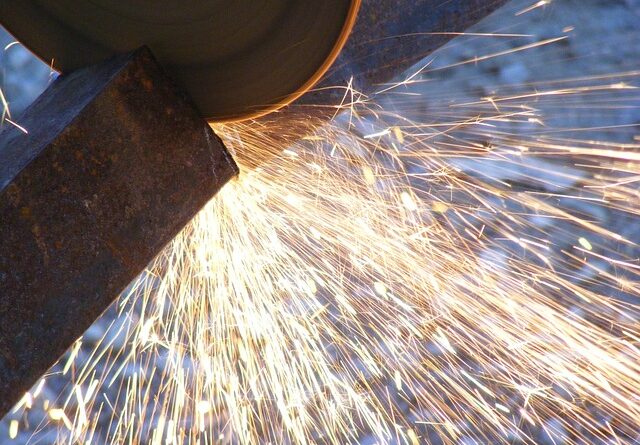
What Makes an Angle Grinder Cutting Wheel Ideal for 50-Pack Industrial Use
9 of the Very Best Nail Clippers
Professional nail care relies on precision instruments that deliver consistent, clean results. Among the nine leading clippers evaluated by experts, end nippers stand out for their surgical-level accuracy and adaptability. Their perpendicular blades and ergonomic handles make them indispensable in detailed manicure and pedicure work. While traditional clippers remain efficient for quick grooming, end nippers dominate in specialized settings such as podiatry or advanced nail artistry, where control and visibility define quality outcomes.
Understanding the Role of End Nippers in Professional Nail Care?
In professional nail care, every millimeter matters. Technicians rely on tools that provide both accuracy and tactile feedback to shape nails safely without causing trauma. End nippers have evolved to meet these standards through refined engineering and material science.
Defining End Nippers and Their Core Function
End nippers are precision instruments built for cutting nails close to the skin line while maintaining full control. Unlike standard clippers that slice from a curved edge, end nippers cut with a straight compression motion, allowing professionals to trim thick or ingrown nails cleanly. This design makes them essential for tasks requiring exact depth control.
Structural Characteristics That Enhance Precision
The defining structural feature of end nippers is their perpendicular blade alignment, which enhances visibility during cutting. High-carbon or stainless steel construction keeps edges sharp even after repeated sterilization cycles. Ergonomic handles distribute pressure evenly, reducing fatigue during long sessions—a critical factor in maintaining steady hand performance.
Comparing End Nippers with Traditional Nail Clippers?
While both tools share the goal of nail shortening, their mechanics and intended uses differ significantly. Professionals often switch between them depending on nail type and desired finish.
Mechanical Differences and Cutting Techniques
End nippers operate through direct compression rather than lever slicing. This action gives a cleaner break on dense or irregular nails, minimizing splintering. The linear cutting motion also provides better access to corners where curved clippers struggle to reach.
Evaluating Performance Across Nail Types
For thick toenails or hardened surfaces common in podiatric care, end nippers outperform conventional clippers due to their stronger jaw pressure. However, they are less convenient for fast daily grooming where speed outweighs detail. In salon environments focused on aesthetics, they allow shaping precision that standard tools cannot replicate.
Assessing Precision in the Context of the 9 Leading Nail Clippers?
Precision defines professional-grade instruments across all nine top-rated designs. Evaluating this factor requires examining measurable attributes like blade geometry and handle responsiveness.
Identifying Key Metrics of Precision Tools
Sharpness retention, consistent alignment between blades, and low friction during closure are key indicators of precision quality. Handle response—the feel when pressure transfers through the joint—determines how accurately a technician can control each micro-cut.
Integration of End Nipper Design Features into Top Clippers
Some modern clippers now borrow from end nipper engineering by incorporating straight-edge jaws or hybrid pivot points for smoother compression cuts. These hybrids merge ergonomic comfort with near-surgical accuracy, bridging convenience with professional-grade results.
Material Science Behind High-End End Nippers and Clippers?
Material composition directly influences tool durability and sharpness longevity. Manufacturers use metallurgical advances to extend service life without compromising tactile sensitivity.
The Influence of Metallurgy on Cutting Efficiency
Hardened stainless steel remains the industry standard because it resists corrosion from disinfectants while maintaining edge stability under stress. Titanium coatings add lubricity, lowering friction between moving parts and increasing lifespan by up to 30%. Balanced weight distribution minimizes vibration during trimming—important when working around delicate cuticles.
Manufacturing Standards That Define Professional Quality
CNC machining produces uniform blade geometry across batches so each pair performs identically under load. Skilled technicians then hand-finish edges using fine abrasives to achieve seamless closure without gaps. Reputable manufacturers also subject finished tools to mechanical stress testing that simulates years of salon use before release.
The Role of Ergonomics in Achieving Consistent Results?
Precision cutting depends not only on blade design but also on how comfortably a tool fits the user’s hand over time. Ergonomics bridges mechanical performance with human physiology.
Handle Geometry and Grip Optimization
Handles shaped with subtle arcs conform naturally to finger curvature, improving grip stability even when hands are damp from sanitizing solutions. Spring-loaded joints reduce repetitive strain by easing reopening after each cut—vital during continuous service hours in salons or clinics.
Balancing Comfort with Technical Control
Professionals often evaluate balance by how evenly weight transfers from handle tip to blade edge. A well-balanced end nipper allows micro-adjustments mid-cut without losing alignment, giving artisans confidence when refining small nail contours or removing hangnails near sensitive skin zones.
Maintenance Practices That Preserve Precision Over Time?
Regular maintenance sustains tool performance across years of intensive use. Neglecting cleaning or sharpening quickly dulls even premium steel edges.
Cleaning Protocols for Metal Instruments
After each session, wiping blades with alcohol-based disinfectant prevents microbial buildup that can corrode joints over time. For deep sanitation without abrasion loss, ultrasonic cleaning baths remove residues from hinge areas while preserving surface polish integrity.
Sharpening Techniques Specific to End Nippers
Manual honing using fine-grit stones restores sharpness precisely without altering factory-set angles between blades. Technicians should periodically test tension by closing jaws gently; uneven resistance indicates adjustment needs before misalignment affects cutting accuracy.
Evaluating Whether End Nippers Are Essential Among the 9 Best Clippers?
Among today’s top-rated clipper designs, end nippers hold a distinct role rather than serving as universal replacements. Their value depends largely on task complexity and user expertise level.
Situational Use Cases in Professional Settings
In podiatry clinics treating ingrown nails or thickened keratin layers, end nippers remain irreplaceable due to their controlled force application. Nail artists use them for intricate detailing along sidewalls where curved blades cannot reach effectively.
Determining Value Based on Precision Requirements
For high-detail work demanding millimeter-level accuracy, investing in quality end nippers pays dividends through reduced rework time and cleaner finishes. Yet for general personal grooming routines where efficiency outweighs perfectionism, traditional curved clippers still meet expectations at lower maintenance cost.
FAQ
Q1: What distinguishes end nippers from regular nail clippers?
A: End nippers cut perpendicularly using compression force rather than slicing through a lever mechanism, offering superior control for thick or irregular nails.
Q2: Are stainless-steel end nippers better than carbon-steel ones?
A: Stainless steel resists corrosion better under frequent disinfection cycles, while carbon steel retains sharper edges longer if properly dried after use.
Q3: How often should professional technicians sharpen end nippers?
A: Typically every three to six months depending on usage frequency; visual dullness or uneven closure indicates earlier servicing is needed.
Q4: Can hybrid nail clippers replace dedicated end nippers?
A: Hybrids combine some benefits but rarely match full visibility or angle flexibility offered by true perpendicular-blade designs used in medical-grade applications.
Q5: What’s the best cleaning method after each client session?
A: Immediate wiping with alcohol-based sanitizer followed by periodic ultrasonic cleansing maintains hygiene standards without degrading metal surfaces over time.


