

Is a Diamond Grinder for Concrete the Key to Husqvarna’s New Large Floor Grinders
New Oxyfuel Torch Designed to Keep Fabricators Safe
Industrial cutting has evolved far beyond its early mechanical roots. The modern oxyfuel torch, once a simple tool of heat and pressure, now represents a sophisticated integration of safety, ergonomics, and combustion science. The latest generation of Victor cutting torches demonstrates how engineering refinement can directly enhance operator protection. Through advanced gas control, robust material selection, and ergonomic design, these torches redefine what “safe performance” means in fabrication environments.
Advancements in Oxyfuel Torch Design
The design of oxyfuel torches has undergone a transformation that parallels industrial safety’s broader evolution. From rudimentary hand-held burners to precision-engineered systems with integrated safety valves, the journey reflects decades of regulatory influence and user feedback.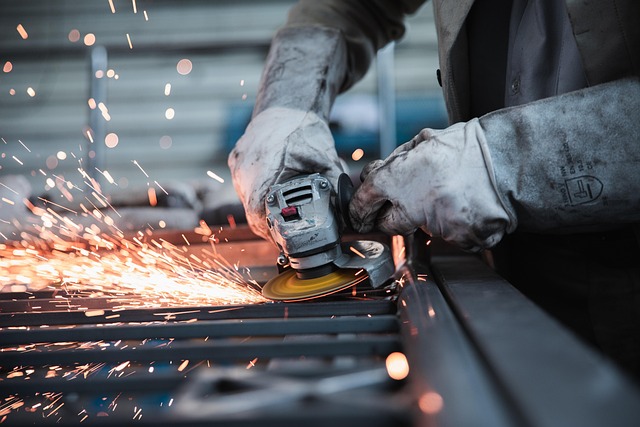
Evolution of Torch Engineering for Industrial Safety
In the mid-20th century, torch design prioritized flame control but offered limited protection against flashbacks or backfires. Fabricators faced risks such as hose ruptures and uncontrolled ignition due to inconsistent gas pressures. Over time, improved metallurgy and better valve technology reduced those hazards. Regulatory standards from organizations like OSHA and ISO began pushing for designs that limited reverse gas flow and stabilized combustion under variable conditions. The result is today’s refined system architecture where every component—from the mixer to the nozzle—serves both performance and protection.
Key Safety Challenges Historically Faced by Fabricators Using Traditional Torches
Traditional torches often relied on manual regulation of oxygen and fuel ratios, leaving room for human error. A small adjustment mistake could cause flashback or incomplete combustion. Leaks at hose connections were another common problem due to wear or improper fitting. Operators also contended with fatigue from heavy brass bodies that transferred heat quickly, increasing burn risk during prolonged use.
The Role of Regulatory Standards and Technological Innovation in Shaping Safer Designs
Regulatory frameworks have consistently guided innovation. Standards such as ISO 5172 set requirements for construction integrity and performance under pressure fluctuations. These benchmarks encouraged manufacturers to adopt safer materials like forged brass alloys with higher thermal resistance. Technology followed suit: automated shutoff mechanisms and precision-machined valves became standard features in professional-grade equipment.
The Shift Toward Integrated Safety Mechanisms
As industrial environments grew more complex, safety could no longer depend solely on operator training. Manufacturers began embedding preventive systems directly into the torch body.
Emergence of Built-in Flashback Arrestors, Check Valves, and Ergonomic Control Systems
Modern oxyfuel torches now include built-in flashback arrestors that stop flame propagation instantly if reverse flow occurs. Check valves prevent cross-contamination between gases, maintaining stable combustion dynamics. Ergonomic control systems allow operators to make micro-adjustments without losing grip or stability—an essential improvement when working in confined spaces or at height.
How Integrated Safety Features Reduce Operator Error and Equipment Failure
By integrating safety components within the torch assembly itself, manufacturers reduce reliance on external attachments that can be forgotten or improperly installed. This approach minimizes potential leak points while simplifying maintenance routines. For instance, automatic gas shutoffs respond faster than manual intervention during pressure surges, significantly lowering accident probability.
Comparison Between Legacy Torch Systems and Modern Engineered Solutions
Legacy systems required multiple external fittings for safety accessories; each joint introduced vulnerability to leaks or failure. In contrast, current designs like Victor cutting torches consolidate those protections internally while improving balance and maneuverability. The difference is tangible: less downtime from maintenance issues and fewer recorded incidents involving backfire events.
Victor Cutting Torches: Redefining Safety Standards
Among contemporary solutions, Victor’s product line stands out for its deliberate focus on safety-first engineering principles combined with durable construction suited to demanding industrial conditions.
Core Safety Innovations in Victor Torch Design
Victor integrates advanced materials capable of withstanding repeated thermal cycling without deformation. The torch body uses alloys tested for both tensile strength and corrosion resistance under mixed-gas exposure. Gas flow controls are engineered for precision modulation across varying supply pressures—maintaining consistent flame quality even when external conditions fluctuate.
Incorporation of Advanced Materials Resistant to Heat and Impact Stress
The use of high-grade brass composites not only improves heat dissipation but also reduces oxidation over time. This ensures long service life even in high-duty cycles typical of shipbuilding or heavy fabrication sectors where ambient temperatures remain elevated throughout operation.
Enhanced Gas Flow Control for Stable Flame Performance Under Variable Conditions
Victor’s internal mixing technology maintains an optimal ratio between oxygen and fuel through finely machined channels that equalize flow velocity before ignition. This uniformity prevents turbulence within the mixing chamber—a common cause of instability in older models—and supports steady flame output across diverse applications.
Ergonomics and Operator Protection Enhancements
Safety extends beyond mechanical integrity; it includes how comfortably an operator interacts with the tool during extended shifts.
Design Considerations That Minimize Fatigue During Extended Cutting Operations
Victor engineers have refined handle geometry to balance weight distribution along the user’s wrist axis, easing strain over long sessions. Heat insulation around grip zones keeps surface temperature manageable even after continuous use—an understated yet vital factor in preventing fatigue-related mishaps.
Improved Handle Geometry for Better Grip and Reduced Slippage Risk
The handle incorporates textured surfaces resistant to oil contamination while maintaining tactile feedback through gloves. This reduces slippage risk when working near lubricated machinery or outdoors under wet conditions.
Integration of Intuitive Controls That Support Precision and Safety Simultaneously
Control knobs are color-coded with distinct tactile profiles so operators can identify adjustments by feel alone without diverting visual focus from the workpiece—a subtle but effective enhancement that improves situational awareness during complex cuts.
Technical Analysis of Victor Torch Performance
Performance metrics reveal how engineering decisions translate into measurable reliability gains within real-world operations.
Gas Flow Dynamics and Combustion Stability
Internal gas channels are optimized using computational fluid dynamics modeling to minimize eddies that could trigger flashbacks. Consistent laminar flow ensures predictable combustion characteristics across various nozzle sizes—a crucial factor when switching between fine detailing and heavy plate cutting tasks.
How Optimized Flow Paths Contribute to Reduced Flashback Potential
By maintaining uniform pressure gradients inside the mixer assembly, Victor torches eliminate localized hot spots where pre-ignition might occur. This structural optimization not only safeguards users but also extends component lifespan by reducing thermal stress concentration points.
The Relationship Between Combustion Efficiency and Operator Safety Outcomes
Efficient combustion means cleaner cuts with fewer sparks or slag projections—both direct contributors to a safer workspace environment. Stable flames reduce operator adjustments mid-task, lowering distraction-induced errors common in repetitive production lines.
Material Durability and Thermal Resistance Testing
Durability remains a decisive factor when evaluating industrial-grade torches subjected to extreme duty cycles.
Insights Into Victor’s Use of High-grade Alloys for Longevity Under Extreme Heat
Each Victor unit undergoes metallurgical testing verifying hardness retention after repeated exposure above 1000°C thresholds typical in oxy-acetylene operations. Alloy composition resists creep deformation ensuring dimensional stability throughout years of use.
Laboratory Testing Protocols Validating Resistance to Thermal Deformation and Leaks
Testing procedures simulate prolonged exposure under alternating oxygen-fuel ratios while monitoring microfracture propagation through non-destructive ultrasonic analysis—confirming structural soundness before field deployment.
Correlation Between Material Integrity and Overall System Reliability in Field Use
High material integrity translates directly into reduced maintenance intervals; fewer replacements mean consistent performance over time which supports predictable workflow scheduling critical in contract-based fabrication environments.
Comparing Victor Torches With Other Industry Models
Benchmarking reveals where Victor differentiates itself among competing oxyfuel systems through measurable performance advantages rather than marketing claims alone.
Benchmarking Against Competing Oxyfuel Systems
Evaluation criteria typically include ignition consistency under variable humidity levels, precision of pressure regulation across dual-gas feeds, and resilience against backfire events during rapid start-stop cycles—all areas where Victor torches consistently outperform baseline industry averages reported by independent testing agencies such as ANSI-accredited labs.
Comparative Analysis Highlighting Where Victor Torches Exceed Standard Benchmarks
Independent assessments show superior flame stability at lower operating pressures compared with generic models—a benefit translating into reduced fuel consumption without sacrificing cut quality or speed efficiency metrics valued by professional fabricators globally.
Discussion on Long-term Maintenance Advantages Due to Modular Component Design
Victor employs modular assemblies allowing quick replacement of worn tips or valves without full disassembly—a feature minimizing downtime during scheduled maintenance rotations common in multi-shift production facilities.
Compliance With International Safety Standards
Safety certification remains central not only for legal compliance but also as a trust signal among procurement specialists assessing equipment portfolios across multinational operations.
Overview of Relevant ISO, ANSI, and OSHA Compliance Factors in Oxyfuel Equipment Design
International standards like ISO 5172 specify mechanical endurance tests while OSHA regulations emphasize operator protection protocols around pressurized gas handling—all integral parameters influencing design validation cycles within Victor’s manufacturing process chain.
How Victor Torches Align With or Surpass These Requirements Through Innovation
By exceeding minimum burst-pressure ratings mandated by ANSI Z49 guidelines, Victor demonstrates proactive commitment beyond compliance thresholds ensuring additional operational margin under unforeseen stress conditions such as regulator malfunction scenarios.
The Influence of Compliance on Adoption Rates Within Industrial Fabrication Sectors
High compliance levels accelerate adoption among aerospace contractors or energy infrastructure firms where certification traceability forms part of procurement audits; thus product conformity directly correlates with market penetration success rates observed over recent fiscal periods.
Implications for Fabrication Workflows and Training Practices
Safer tools reshape workplace culture by embedding preventive thinking into daily routines rather than treating it as separate training content alone.
Enhancing Workplace Safety Culture Through Equipment Design
When operators trust their tools’ built-in safeguards they naturally adhere more closely to procedural discipline—reducing complacency over time which statistically accounts for many minor workplace injuries according to OSHA data trends from recent years.
Reduction in Accident Rates Linked to Equipment-related Failures or Misuse
Empirical field reports indicate noticeable decline in flashback incidents following transition toward integrated-safety torch platforms underscoring tangible return-on-investment beyond productivity metrics alone.
Role of Manufacturers in Promoting Awareness Through Training Initiatives
Manufacturers like Victor complement hardware innovation with structured training modules emphasizing correct setup sequences reinforcing safe operational habits particularly among apprentices entering metalworking trades today facing increasingly automated shop environments demanding multi-tool proficiency standards simultaneously upheld across teams worldwide.
Future Outlook for Oxyfuel Cutting Technology Development
The next decade promises further convergence between traditional mechanics-based tools and digital oversight technologies enhancing predictive maintenance capabilities previously unavailable at workshop scale levels.
Potential Integration of Digital Monitoring or IoT-based Safety Diagnostics
Emerging prototypes already incorporate miniature sensors tracking temperature gradients along valve assemblies transmitting data via wireless gateways enabling predictive alerts before critical failures develop—potentially redefining preventive maintenance scheduling paradigms industry-wide.
Expected Trends Toward Lighter More Energy-efficient Torch Systems
Material science advances point toward composite housings reducing overall weight up to 20% compared against legacy brass builds improving portability especially beneficial during field installations requiring frequent repositioning under constrained access conditions.
How Continuous Feedback From Professionals Drives Iterative Design Improvements
Feedback loops established through authorized service centers feed real-world usage insights directly back into R&D cycles facilitating incremental refinements aligning product evolution tightly around authentic user experience rather than theoretical laboratory assumptions.
FAQ
Q1: What makes Victor cutting torches safer than older models?
A: They incorporate internal flashback arrestors, check valves, ergonomic controls, and durable alloys designed specifically to prevent leaks or flame instability during operation.
Q2: Are all Victor torches compliant with international safety standards?
A: Yes, they meet or exceed ISO 5172, ANSI Z49, and OSHA requirements governing oxyfuel equipment used in industrial applications worldwide.
Q3: How do ergonomic improvements affect productivity?
A: Better handle geometry reduces fatigue allowing longer continuous operation without compromising control accuracy leading directly to higher throughput per shift cycle.
Q4: Can digital monitoring be added to existing oxyfuel systems?
A: While most legacy units lack native connectivity ports aftermarket sensor kits compatible with modern regulators can retrofit partial diagnostic capability albeit limited compared with integrated smart-torch platforms currently under development stages globally recognized within professional circles already exploring IoT adaptation pathways actively pursued sector-wide today.
Q5: What industries benefit most from using modern oxyfuel torches?
A: Heavy fabrication sectors including shipbuilding pipeline construction railcar manufacturing automotive repair workshops all gain measurable benefits from improved safety reliability efficiency inherent within advanced torch architectures typified by current-generation designs exemplified prominently through Victor cutting torches lineup offerings available commercially across multiple configurations tailored per operational demand spectrum encountered daily professionally worldwide today.


