
Are Cobalt Drill Bits the Ultimate Choice for Stainless Steel Applications
The Best Drill Bits for Stainless Steel, Tested and Reviewed by Experts
Drilling stainless steel demands exceptional precision, heat control, and tool durability. After extensive testing across multiple alloys and bit types, cobalt drill bits consistently outperform others in maintaining sharpness and resisting heat damage. Their alloy composition and geometry make them ideal for repeated use on hard metals where high friction is unavoidable. For professionals handling stainless steel fabrication or maintenance, cobalt bits are the most reliable choice for consistent performance and extended lifespan.
Understanding the Demands of Drilling Stainless Steel
Drilling into stainless steel presents a unique set of mechanical and thermal challenges that test both equipment quality and operator technique. The material’s resilience requires a careful balance between pressure, speed, and temperature management to achieve clean cuts without premature tool wear.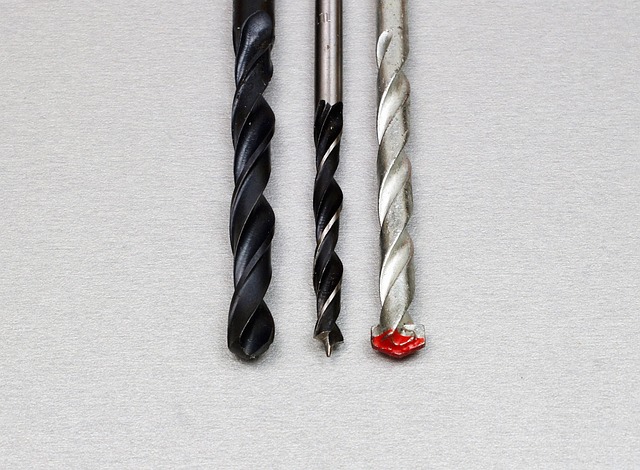
Material Properties That Challenge Drill Bit Performance
Stainless steel’s hardness and heat resistance generate significant friction during drilling. This friction quickly raises temperatures at the cutting edge, leading to accelerated dulling of standard bits. Work hardening compounds this issue—each pass can make the surface tougher if not drilled efficiently. Therefore, maintaining proper feed rate, low RPM, and adequate lubrication is essential to preserve both the bit’s edge and the workpiece integrity.
Factors Influencing Drill Bit Selection for Stainless Steel
Choosing the right bit depends on several interconnected factors. Composition determines how well a bit resists wear under thermal stress; coatings such as titanium nitride further improve surface hardness. Geometry also matters: sharper point angles help initiate cuts smoothly, while optimized flute designs improve chip evacuation to prevent clogging. Compatibility with drilling machines ensures stable torque delivery and minimizes vibration that could fracture brittle alloys.
The Composition and Engineering of Cobalt Drill Bits
Cobalt drill bits represent an engineered solution tailored for high-performance metal drilling. Their metallurgical design allows them to withstand extreme conditions that would quickly degrade conventional tools.
Metallurgical Makeup of Cobalt Alloys
Cobalt drill bits are typically made from high-speed steel blended with 5–8% cobalt content. This addition increases hardness retention even at elevated temperatures—a property known as red hardness. As a result, cobalt bits maintain cutting efficiency when drilling stainless steel or titanium where heat buildup is inevitable. This metallurgical advantage translates directly into longer operational life under continuous load.
Design Features That Support Stainless Steel Drilling
Split-point tips are standard in cobalt drill bits because they minimize walking on smooth metal surfaces and improve centering accuracy. The flute geometry is optimized for efficient chip removal, reducing friction within the hole path. Additionally, polished or treated surfaces lower drag between bit and material, further extending tool life by limiting localized overheating.
Comparing Cobalt Drill Bits with Other Common Types
Different materials offer varying balances between toughness, sharpness retention, and cost-efficiency. Understanding these trade-offs clarifies why cobalt remains preferred in demanding applications.
High-Speed Steel (HSS) vs. Cobalt Drill Bits
HSS bits are versatile and affordable but lose their edge quickly when used on hardened metals like stainless steel. Cobalt variants retain sharpness much longer due to superior heat resistance. However, this added hardness comes at a cost—they are more brittle and expensive per unit than standard HSS options.
Carbide-Tipped vs. Cobalt Drill Bits
Carbide-tipped bits excel in precision machining but can fracture under vibration or misalignment common in handheld operations. Cobalt bits strike a practical balance: they cut efficiently through tough metals while tolerating moderate flexing without chipping. For deep-hole drilling or variable feed rates, cobalt offers a safer margin between performance and durability.
Evaluating Masonry Drill Bits in Metal Applications
Although masonry drill bits may appear similar externally, their internal design makes them unsuitable for metalwork.
Why Masonry Bits Are Not Suitable for Stainless Steel
Masonry bits are built for abrasive materials such as concrete or brick using tungsten carbide tips designed to crush rather than cut fibers of stone-like surfaces. When applied to stainless steel, their blunt geometry fails to shear metal effectively, causing excessive heat buildup that can discolor or warp the workpiece surface. Attempting such use often results in dulling within seconds or even tip breakage.
Performance Testing Insights from Expert Reviews
Independent lab tests have compared various bit types under identical conditions—constant feed rate, fixed RPMs, controlled cooling—to measure efficiency over time.
Heat Resistance and Edge Retention Under Continuous Load
Cobalt drill bits maintained sharpness across extended cycles when boring through 304-grade stainless plates up to 10 mm thick. Operators reported less need for regrinding after multiple passes compared with HSS equivalents, translating into higher throughput in production environments where downtime is costly.
Speed, Feed Rate, and Hole Quality Assessment
Optimal results were achieved at lower rotational speeds combined with steady lubrication using cutting oil or synthetic coolant sprays. Clean hole edges without burrs indicated effective torque control and correct point geometry alignment—key indicators of professional-grade drilling outcomes.
Best Practices for Using Cobalt Drill Bits on Stainless Steel
Even premium tools require proper handling techniques to deliver consistent performance over time.
Recommended Drilling Techniques for Longevity and Precision
Speed Control and Cooling Methods
Maintaining low RPM minimizes heat accumulation during penetration while ensuring smoother chip formation. Applying cutting oil or coolant not only extends tool life but also prevents oxidation marks on stainless surfaces—a small detail often overlooked yet critical in visible assemblies.
Proper Clamping and Alignment Procedures
Workpieces should be clamped firmly to prevent chatter that can chip the bit edge or distort holes. For larger diameters above 8 mm, starting with a pilot hole reduces entry stress on the main bit tip.
Maintenance Routines to Preserve Cutting Efficiency
Inspection and Sharpening Guidelines
After several uses, inspecting tip wear under magnification helps identify micro-chipping early before it affects accuracy. Sharpening should follow manufacturer-recommended angles specific to cobalt alloys since incorrect grinding can alter heat resistance properties.
When to Choose Cobalt Over Alternative Options
Selecting cobalt drill bits depends largely on workload intensity and material type rather than price alone.
Application Scenarios Favoring Cobalt Drill Bits
They excel in repetitive drilling tasks involving stainless steel sheets, titanium components, or nickel-based superalloys common in aerospace manufacturing lines where consistency matters more than initial cost savings.
Limitations to Consider Before Selection
Cobalt’s inherent brittleness means it must be handled carefully during setup changes or manual repositioning; dropping one onto a hard floor can cause microfractures invisible until failure occurs mid-operation. They’re also less efficient on softer metals like aluminum where flexibility trumps thermal stability.
Future Developments in Drill Bit Technology for Hard Metals
Continuous innovation aims to push beyond current material limits through advanced coatings and sensor integration.
Advances in Coatings and Composite Materials
Newer surface treatments such as titanium nitride (TiN) or titanium aluminum nitride (TiAlN) significantly enhance wear resistance while reducing frictional drag against stainless substrates. Emerging hybrid composites combine cobalt’s temperature tolerance with carbide’s rigidity—an approach expected to redefine industrial-grade tooling longevity over the next decade.
Emerging Tool Designs Optimizing Energy Efficiency
Variable flute geometries now reduce torque demand during deep-hole operations by improving chip flow dynamics. Meanwhile, prototype smart drill systems equipped with embedded sensors monitor real-time temperature spikes—data that could soon guide automated cooling adjustments across CNC platforms worldwide.
FAQ
Q1: Can cobalt drill bits be used on mild steel?
A: Yes, though they’re overqualified; standard HSS performs adequately on softer steels at lower cost.
Q2: How often should cobalt drill bits be sharpened?
A: Typically after every 10–15 holes drilled into hardened materials depending on feed rate consistency.
Q3: Are masonry drill bits interchangeable with metal ones?
A: No; their design suits concrete drilling only—using them on metal risks damaging both tool and workpiece.
Q4: What lubricant works best when drilling stainless steel?
A: Cutting oils containing sulfur additives perform best by reducing frictional heating during prolonged contact cycles.
Q5: Do coated cobalt bits last longer than uncoated ones?
A: Yes; coatings like TiN add extra surface hardness that delays edge rounding under high-temperature conditions common in stainless applications.


