
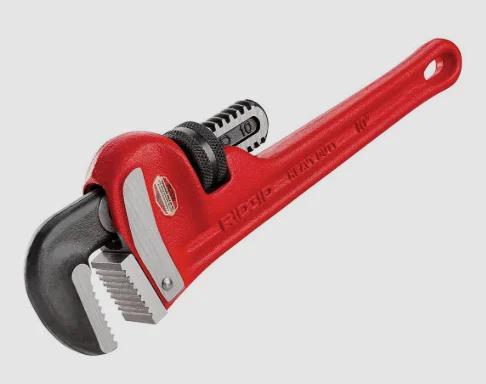
What Is A Pipe Wrench and How Does It Define Precision In Industrial Use
Understanding the Pipe Wrench and Its Industrial Relevance
The pipe wrench is one of those tools that quietly define mechanical work. You see it in plumbing, oil fields, shipyards, and fabrication shops. It’s not flashy, but it gets the job done every time. For professionals handling threaded connections or cylindrical fittings, the pipe wrench is a matter of precision and safety. Its design may appear simple, yet it represents decades of engineering refinement aimed at controlling torque and maintaining grip under pressure.
Defining the Pipe Wrench in Mechanical Context
A pipe wrench is a specialized hand tool. It is made to grip and turn cylindrical objects such as pipes. It uses serrated jaws and an adjustable mechanism to apply torque efficiently. The serrations bite into metal surfaces just enough to stop slippage. They do not damage the surface too much when used right. The adjustable nut lets you change to different diameters fast without switching tools. In industrial settings, where time equals cost, this adaptability is very useful.
Historical Development and Engineering Evolution
The earliest pipe wrenches were made from cast iron. They had fixed jaws. These tools were heavy, rigid, and wore out fast. Over time, engineers switched to forged alloy steels. These gave good strength with manageable weight. Later versions added aluminum handles for workers who needed lighter tools during overhead or repeated tasks. Jaw shape also changed. Sharper angles helped transfer torque better while cutting down surface damage on pipes. This change shows bigger trends in mechanical design. Better materials, easy shapes, and exact machining lead to steady performance.
Structural Composition and Functional Mechanics
The structure of a pipe wrench looks simple at first. But it is mechanically smart. Each part helps turn human effort into turning force on a pipe.
Key Components of a Pipe Wrench
Handle and Frame Design
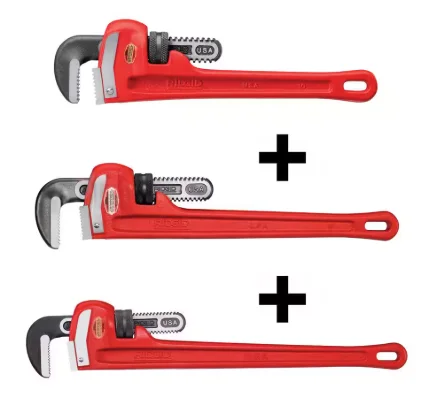
Handles are usually forged from steel or aluminum alloys. This gives a good strength-to-weight balance. Longer handles give more leverage. Shorter ones give better control in tight spots. Industrial users often keep several sizes ready. They range from small 10-inch models to big 48-inch versions. The larger ones can grip wide pipes used in refinery work.
Jaw Assembly and Adjustment Mechanism
The upper jaw, called the hook jaw, moves along the frame. It does this through a threaded adjustment nut. The lower jaw, the heel jaw, stays fixed. This setup gives fine control over grip width. When you turn the nut clockwise, the jaws close tight around the pipe. The teeth are hardened for long life. They take a lot of high-pressure contact with metal.
The Physics Behind Grip and Torque Application
When force is put on the handle, the serrated teeth create friction. That friction turns linear effort into rotational torque through leverage. It basically multiplies input force by handle length. Proper alignment gives max torque without crushing the pipe wall. This matters most with softer materials like copper or aluminum tubing.
Types of Pipe Wrenches in Industrial Operations
Different job conditions call for different types of wrenches. Picking the right model affects both speed and safety.
Standard Straight Pipe Wrench
This is the classic version found in most toolkits. It has a straight handle and parallel jaws with a reliable adjustment range. It shows up in plumbing maintenance, oil rigs, gas pipelines, and general plant work with threaded joints or couplings.
Offset and End Pipe Wrenches
Offset wrenches have angled handles. They work well in tight or awkward spots where a straight wrench will not fit. End wrenches suit vertical jobs such as overhead piping or valve installs where space is small but grip must stay exact.
Chain, Strap, and Compound Leverage Variants
Chain wrenches use flexible chains instead of rigid jaws. They wrap around odd shapes or very wide diameters. This fits large industrial flanges or coated pipes where even pressure helps. Strap wrenches use fabric or rubber straps instead of metal teeth. They avoid scratching polished or coated surfaces like chrome tubing. Compound leverage models boost applied force with dual-hinge setups. They handle very tight fittings that need removal without harming threads.
Precision Engineering: How the Pipe Wrench Defines Accuracy in Use
Precision is about getting the same mechanical result each time force is applied. A well-made pipe wrench gives repeatable torque output inside the limits set by makers.
Tolerance Control in Manufacturing Standards
Every thread on an adjustment nut must be cut accurately. This keeps movement smooth even under heavy load. Calibrated jaw angles give steady grip shape across batches. Surface hardening treatments raise wear resistance on teeth that touch steel pipes daily. A small detail like this stretches service life a lot under real industrial use.
Calibration of Torque Delivery in Industrial Settings
In modern plants, technicians use controlled torque to avoid over-tightening joints or harming threads during assembly. A properly calibrated wrench gives predictable feedback. You feel resistance build at the right moment before going past safe limits.
Integration with Digital Measurement Tools
Digital sensors now work with traditional mechanics. They track applied torque values in real time. Some plant setups feed these readings into maintenance logs for tracking across repeated jobs. This data approach improves consistency on production lines.
Industrial Applications Highlighting Precision Performance
Pipe wrenches appear wherever cylindrical connections exist. They show up from energy infrastructure to advanced manufacturing. Each setting asks for specific performance traits.
Oil, Gas, and Petrochemical Installations
Pipeline assembly needs exact torque control. Too loose and leaks happen under high pressure. Too tight and threads strip or flanges crack. Skilled operators count on their pipe wrenches’ feel when tightening valves or couplings deep in processing units. Accuracy here ties straight to safety rules.
Power Generation and Mechanical Fabrication Facilities
In power plants or heavy shops, steam lines and hydraulic systems depend on secure joints. Proper torque with strong wrenches keeps them tight. Steady results here mean long-term reliability for pressurized networks that run all the time under heat stress.
Aerospace, Marine, and Specialized Engineering Fields
Light aluminum versions help aerospace technicians. They need tough but low-weight tools inside tight fuselage areas. In marine spots with corrosion risk, non-sparking bronze versions cut ignition danger near volatile gases. This small engineering step protects workers.
Maintenance Practices Ensuring Longevity and Accuracy
Even top-grade tools wear if ignored. Regular checks keep your pipe wrench working inside expected limits year after year.
Inspection Routines for Wear Detection
Check jaw serrations often. Worn teeth can slip under load and cause injury or damage. Look at adjustment threads for dirt that might slow smooth movement during tightening.
Cleaning, Storage, and Calibration Protocols
After each use, wipe off oil or metal bits that could speed up rust. Store wrenches in dry racks instead of boxes where moisture builds up unseen. Rust hurts precision alignment quicker than most expect.
Replacement Guidelines for Critical Components
Replace jaws once wear passes maker specs. Bad teeth cut grip reliability fast under typical industrial loads. Regular calibration checks across tool sets keep performance even among technicians on critical jobs.
FAQ
Q1: What materials are most common for professional-grade pipe wrenches?
A: Most professional-grade models use forged steel for strength. Lighter versions use aluminum alloys. These are liked in aerospace or maintenance work that needs easy carrying.
Q2: How does handle length affect torque output?
A: Longer handles multiply applied force through leverage. Doubling handle length roughly doubles achievable torque if input effort stays the same.
Q3: Why do some industries prefer strap wrenches over standard ones?
A: Strap wrenches skip surface damage on delicate finishes like chrome-plated pipes. They spread pressure evenly without serrated contact points.
Q4: How often should calibration be performed on industrial pipe wrenches?
A: Calibration frequency depends on how hard the tool is used. Heavy-duty spots usually check every three months. Light-use spots can stretch checks to six months.
Q5: What signs indicate it’s time to replace a wrench’s jaw assembly?
A: Replace jaws when tooth edges turn rounded or wear uneven. Bad serrations raise slippage risk a lot during loaded work.


