
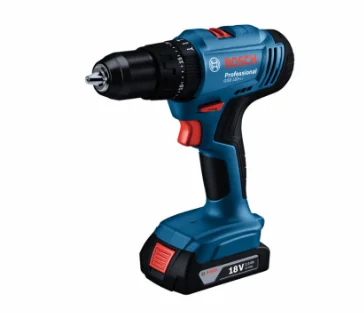
Could A Power Drill Indicate Escalating Violence In Home Invasion Cases
Examining the Use of Unconventional Weapons in Home Invasions
A man got attacked with a power drill in a home invasion. That case caught attention because it shows how normal tools turn into weapons fast. Crime experts look at these events and see bigger questions about how people act and what evidence they leave behind. When things like drills, hammers, or saws get used this way, the line between everyday home stuff and crime gets fuzzy. The sections below look at the trend from crime study angles, mind angles, evidence angles, and law angles.
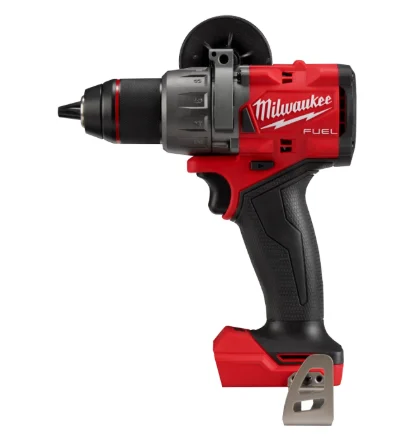
The Emergence of Power Tools as Implements of Violence
More reports now mention offenders swinging power tools such as drills or grinders during attacks. These items sit in lots of homes and garages, so they come in handy for quick crimes. A power drill moves easy and packs real force, so it can hurt more than a plain stick or rock. You see it often: people pick what they can reach right away instead of hunting for rare items.
This move toward odd weapons might point to shifts in how offenders think or how a situation plays out. In many break-ins the person already knows the house layout, so they spot a tool and grab it in seconds. That kind of choice often shows sudden anger or panic instead of careful plans. Experts who study crime read these moves as signs of someone feeling cornered or acting on the spot, not running a smooth job.
Differentiating Opportunistic from Premeditated Weapon Use
When cops check if a drill came with the intruder or came from inside the house, they hunt for signs like bags or toolboxes left outside. They also check if the suspect watched the place earlier. If the tool stayed in the house all along, it usually means the attacker grabbed whatever sat nearby when things went wrong. That points to a spur-of-the-moment move under stress. On the other hand, if someone carries a special tool in, it hints at planning and maybe a wish to scare or hurt on purpose.
Evidence work needs the full story. Marks left on doors or walls can show the tool first helped break in, then got turned on a person. Analysts watch how emotions played out too. Did rage hit after a fight, or did the attacker stay calm the whole time? These details shape how cases get charged and how future risks get judged.
Behavioral and Psychological Dimensions of Escalating Violence
Attacks with strange weapons often show shaky emotions more than smart tactics. When someone picks up a drill that sits on a shelf, it usually means they lost control for a moment. Still, when the same pattern shows up in many cases, it can point to deeper reasons. Some offenders like tools tied to work or strength because those items help them feel in charge or settle old scores.
Understanding Perpetrator Intent and Aggression Levels
The item an offender grabs tells a lot about their state of mind right then. A household tool in hand often means quick thinking born from fear or sudden anger, not months of setup. Psychologists who look at crime scenes note that things heat up fast when a victim fights back or when a simple break-in hits a snag. Using a power drill takes close range and real effort, so it lines up with strong feelings at that moment.
Some uses stay practical, like breaking a lock. Others carry extra meaning and show raw feeling through the hit itself. Sorting these small differences helps build better pictures of why a person acted and how they might act again.
Impact on Victimology and Risk Assessment
People hurt by everyday tools often end up with odd injury shapes because the items were never made for fighting. Yet the spinning motor can still tear deep. Homes that leave tools out in the open can face higher danger if someone breaks in.
Police teams that build risk maps now watch for open garage doors, tool racks in plain sight, and neighborhoods under money stress. These clues help them send patrols to the right spots and warn residents before trouble starts.
Forensic and Investigative Considerations in Power Tool Assaults
Looking into power-tool attacks brings extra evidence problems compared with gun or knife cases. Scene workers must hunt for tiny clues like scratch patterns on wood, oil drops from motors, or signs the tool ran on battery power during the hit.
Evidence Collection and Scene Reconstruction Challenges
Figuring out if the drill spun at the moment of impact matters a lot. Workers check the switch position, how much charge remains, and how the marks match the wounds. These facts help separate a threat move from a full-on attack. New teams now mix engineers with regular crime-scene staff so they can read mechanical clues the same way they read bullets.
Linking Tool Use to Offender Profiling Techniques
When the same kind of drill shows up in several break-ins across one area, it can tie the cases together. An offender who once worked construction might feel at home with these tools and reuse skills in the wrong way. Analysts compare entry style, tool choice, and how fast things turned violent to spot repeat players even when no normal weapon appears. Shared databases on odd weapons help different towns share tips before the pattern grows.
Legal Implications and Criminal Justice Responses
Courts treat everyday items used in attacks in different ways. Lawyers must prove the person meant to cause harm, not just that they held the drill.
Classification of Power Tools Under Weapon Legislation
Some places call any object that can hurt someone a weapon once it gets used that way. Other places want proof the item was made to harm. This gray area makes sentencing tricky because judges weigh normal use against the harm caused. Extra penalties often hit when a common tool gets swung like a weapon, since it shows the person adapted fast. Yet showing the act was planned ahead stays hard without signs the tool was changed or hidden on purpose.
Policy Recommendations for Law Enforcement Training and Prevention Strategies
Training now teaches officers to watch for household tools during calls, not just guns or blades. Role-play drills let them practice what to do when a suspect reaches for a nearby item mid-fight. Town programs that push locked garages and covered tool racks cut the chance an intruder finds something useful. Data teams combine break-in patterns with job-loss maps to place officers where risk runs highest.
Broader Societal Context and Future Research Directions
Money troubles and easy access to tools both push this kind of crime. When jobs dry up, some people turn to break-ins and grab whatever sits close once they step inside.
Trends in Domestic Crime Dynamics and Weapon Accessibility
More families buy power tools for weekend projects, so these items sit out more often. That growth in home gear opens new risks during break-ins. News stories and shows sometimes make wild attacks look exciting, and a few young offenders copy the shock factor. In one Midwest city last year, three garage entries in one month ended with drills used after the thief saw them on a workbench. People out of work from building trades know these tools well, and stress can push that knowledge the wrong direction when bills pile up.
Advancing Research into Non-Traditional Weapons in Violent Crime Studies
New studies need crime experts, mind experts, and tool engineers working side by side. They can build early-warning lists that flag when a normal item might become a threat inside a home. Shared tracking systems that log every odd-weapon case let towns spot rising patterns months earlier. When these groups talk often, police methods stay up to date with how offenders actually behave, and safety steps stay practical for real houses.
FAQ
Q1: What makes power tools like drills appealing as improvised weapons?
A: They sit inside many homes already and can cause real damage in a hurry, so an intruder under pressure grabs one fast instead of searching for something else.
Q2: How do investigators determine if a power drill was used intentionally?
A: They test the battery level, look at switch marks, and match the shape of tool scratches to the wounds to see if the drill ran during the hit.
Q3: Are there legal differences between using a firearm versus a household tool in an assault?
A: Yes. Both bring heavy charges, but showing the act was planned stays harder when the item was not built as a weapon and got picked up on the spot.
Q4: Can community education reduce incidents involving improvised weapons?
A: Yes. Simple talks about locking garages and covering tool racks cut the odds an intruder finds something handy during a break-in.
Q5: Why is interdisciplinary collaboration important in studying these crimes?
A: Mixing crime study, mind study, and engineering skills gives a full view from why someone acts to how evidence gets read, which leads to better prevention steps that actually work on the street.


