
Which Power Tools Should You Buy First for Serious Work?
Which Power Tools Matter Most on a Real Job Site?
Power tools can make clean work go faster, but the wrong tool can slow the crew, mark the material, or cause a safety problem very quickly. If you buy for a workshop, trade counter, repair team, or serious home project, start with the jobs you do most, not the newest model in the display case. The Tools & Power category helps match tool types with normal hardware work, including drilling, cutting, grinding, and fastening. The aim is simple enough: pick equipment that cuts straight, drives fasteners with control, and still feels manageable near the end of the day.
Cordless Drills and Impact Drivers
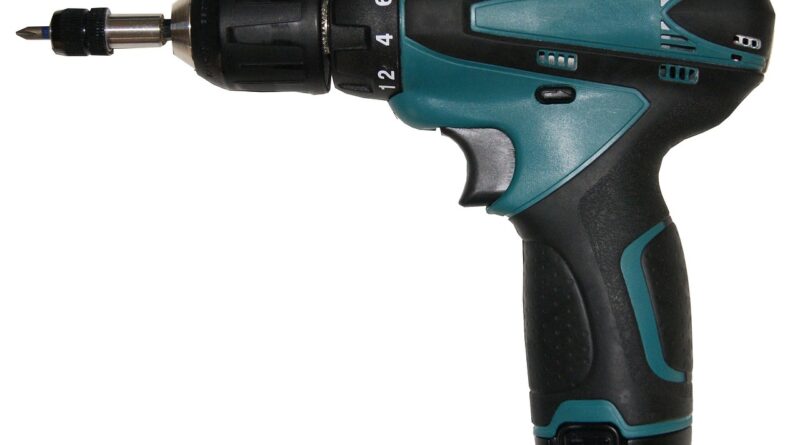
A cordless drill is usually the first powered tool worth buying because it covers pilot holes, light boring, countersinking, and regular assembly work. An impact driver is not the same tool; it gives pulsing force for screws, bolts, and construction fasteners. For metal brackets, hinges, decking screws, and cabinet hardware, having both tools close by saves time and reduces mistakes. Use the drill for clean holes, then use the impact driver for fastening. If one tool is asked to do both jobs all day, you often end up with stripped screws, hot motors, and sore hands.
Circular Saws and Cutting Tools
Saws need extra attention because the blade is open to the work and reacts fast when the stock moves. The U.S. Consumer Product Safety Commission’s 2023 NEISS Data Highlights estimated 70,930 emergency department treated injuries linked with power home workshop saws in the United States. That number does not mean every saw is unsafe. It does show why blade guards, firm work support, sharp blades, and calm handling matter, even on a short cut. A half-minute setup is better than losing work time to a hand injury. (cpsc.gov)
Grinders Sanders and Specialty Tools
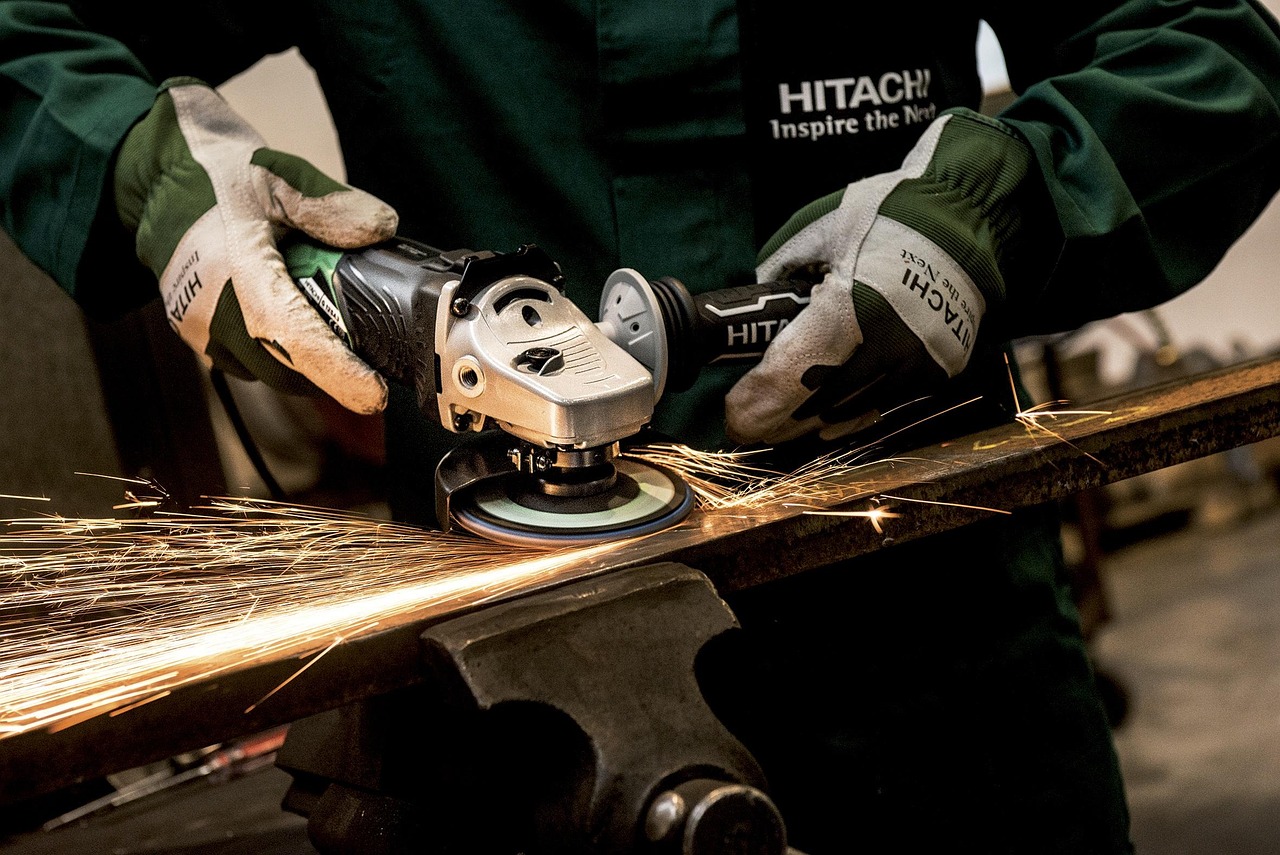
Angle grinders, sanders, rotary hammers, nailers, planers, and oscillating multi-tools cover the jobs that come after drilling and cutting. A grinder can cut threaded rod, clean welds, and remove rust from steel hardware, but it still needs the right wheel and the guard set in the right place. Sanders help improve the surface before coating, joining, or fitting. Specialty tools may not be used every day, but when the work calls for one, a general tool usually does not do the job well. That is why rental desks and trade buyers often keep core tools separate from tools used only now and then.
How Do You Compare Corded and Cordless Power Tools?
Corded versus cordless is not about brand loyalty or personal taste. It is about the job. Cordless tools are useful when you move around, climb ladders, work outside, or handle quick installation work. Corded tools still make sense where steady power, long runtime, and lower battery cost matter. A good kit may include both, even if the battery platform gets used most days.
Power Supply and Runtime
Corded tools keep running as long as the power supply is stable. That helps with grinding, sanding, mixing, and repeated cutting. Cordless tools depend on battery capacity, tool draw, and temperature. A 4 Ah or 5 Ah pack may be fine for fastening, but a high-draw saw can drain it much faster. If the job is away from outlets, buy enough batteries to rotate through the day, not just enough to start the morning. Runtime is not as exciting as torque on a label, but a dead battery at 2 p.m. stops paid work.
Torque Speed and Control
Torque gets a lot of attention, but control is what keeps the work clean. A drill with several clutch settings can set small screws without crushing soft material. A grinder with smooth start-up is easier to handle near edges and corners. Variable speed helps when you move from wood to metal, or from drilling to polishing. Check how the tool starts, stops, and behaves under load. Power is useful only when the operator can guide it properly.
Battery Platform Costs
The battery platform can cost more than the first tool you buy. Before buying five bare tools, check battery price, charger type, service availability, and whether the brand has the tools you may need next year. There is no single reliable public database that ranks every private-label battery failure rate across all markets, so be careful with claims that sound too tidy. Warranty terms, replacement pack availability, and local service support usually tell you more than a sales line.
What Safety Details Should You Check Before Buying?
Safety is not something to think about after the order is placed. It is part of the buying choice. OSHA’s construction rule at 29 CFR 1926.300 states that hand and power tools, whether supplied by the employer or employee, must be maintained in safe condition, and it calls for suitable personal protective equipment when workers face flying objects, abrasive material, dust, fumes, or similar hazards. A careful buyer treats those points as the starting line, not as optional extras. (osha.gov)
Guards Switches and Labels
Check guards before looking too hard at the price. A circular saw guard should move freely and return all the way. A grinder guard should adjust properly and stay firm once set. Switches should not feel sticky, loose, or easy to hit by mistake. Labels also matter, especially for rated voltage, speed, wheel size, blade direction, and warnings. Labels may look plain, but they help stop the wrong accessory from being fitted. A grinding wheel rated below the grinder speed is not a saving; it is a hazard.
Dust Noise and PPE
Drilling masonry, cutting tile, sanding paint, and grinding metal all make dust or flying debris. Eye protection is basic, and hearing protection often belongs in the same kit. NIOSH, part of the CDC, recommends an occupational noise exposure limit of 85 dBA over an eight-hour shift and notes that each 3 dBA increase cuts the recommended exposure time by half. Many power tool jobs are done in short runs, but a loud grinder in a small room can still add up quickly. PPE should match the job, not just the tool name. (cdc.gov)
Maintenance Before Use
Small checks catch many problems before the tool is switched on. Look for cracked housings, loose handles, damaged cords, bent plugs, swollen battery packs, blocked vents, and dull bits. Spin a saw blade by hand with the tool unplugged or the battery removed to check for wobble. Clean dust from vents after heavy sanding or masonry work. If a tool smells hot, sparks in an odd way, or loses power under light load, take it off the bench until it is checked.
Which Specifications Actually Tell You Something?
Specifications help only when they are tied to the work. Bigger numbers do not always mean better results. A heavy rotary hammer may drill concrete quickly, but it can wear out your shoulders on overhead anchors. A small drill may look weak on paper and still be right for cabinet hardware. Read specs like a job note, not like a race chart.
Voltage Amps and Wattage
Voltage gives a rough idea of the cordless tool class. Twelve-volt tools are compact and useful for light installation work. Eighteen-volt and 20-volt max tools handle most trade work. Corded tools often list amps or wattage, which points to motor draw. Use these numbers to compare tools in the same category. Do not compare a compact driver with a demolition hammer and expect the numbers to explain the whole tool.
RPM Stroke Rate and Blade Size
RPM matters for drilling, cutting, polishing, and grinding. Stroke rate matters for reciprocating saws, jigsaws, and oscillating tools. Blade size affects depth of cut. For example, a 7-1/4 inch circular saw is common for framing lumber, while smaller trim saws are easier to carry and control. Match the accessory size to the workpiece thickness first, then check that the rated speed and tool design suit the accessory.
Weight Balance and Grip
Weight printed on the box does not tell you how the tool feels in the hand. Pick it up with the real battery attached if you can. A rear-heavy drill may feel fine at waist height and awkward above shoulder level. Rubber grip texture, handle shape, side handle position, and trigger reach all matter when the operator repeats cuts or fastener runs. For counter sales, letting the buyer hold the tool often answers questions faster than a spec sheet. See also: Bolts & Fasteners.
How Should You Match Tools to Materials?
Materials change the tool choice. The same tool can work nicely in pine and feel poor in stainless steel. Cutting, drilling, and fastening all depend on hardness, thickness, coating, grain, and heat. This is where normal hardware knowledge pays off. Tool choice, bit choice, and accessory choice should be discussed together.
Steel Fasteners and Metal Stock
Metal work needs controlled speed and the right cutting edge. Use high-quality drill bits for steel, apply suitable cutting fluid when needed, and let the bit cut instead of forcing it. For bolts, brackets, threaded rod, and sheet metal, an impact driver or wrench can help, but over-torquing damages threads. A variable-speed grinder with the correct disc can prep edges, remove burrs, and cut small stock cleanly. The accessory is just as important as the motor in this type of work.
Timber Panels and Framing Work
Wood is forgiving until it splinters, burns, or kicks back. For framing, a circular saw, impact driver, drill, and reciprocating saw cover most daily tasks. For panels, track-guided cuts or a fine-tooth blade give cleaner edges. Keep blades sharp because a dull blade makes the motor work harder and leaves rough cuts. It also makes the user push harder, and that is often when a simple cut turns messy.
Masonry Tile and Concrete
Masonry work goes better when the operator does not rush it. Hammer drills suit light anchor holes in brick or block, while rotary hammers are better for concrete and repeated drilling. Tile needs diamond accessories and steady water or dust control where the method allows it. Concrete dust is hard on tools, so clean vents and cases after use. If the job is only two anchor holes, renting a heavy rotary hammer may make more sense than buying one that sits on the shelf for years.
How Can You Buy Power Tools Without Wasting Budget?
A useful buying plan starts with how often the tool will be used. Daily tools deserve better motors, stronger cases, and service that is easy to get. Occasional tools can be simpler, as long as they still meet the safety and performance needs of the job. The cheapest tool is not cheap if it fails during paid work. The most expensive tool is not a good buy if it spends most of its life in a cabinet.
Start With Core Tasks
List the jobs you handle every week. Most kits should start with a drill, impact driver, circular saw or reciprocating saw, grinder, work light, and charger setup. After that, buy based on the bottleneck. If cutting metal eats time, move to a better grinder or metal saw. If anchor holes slow the crew, step up to a rotary hammer. Let real delays guide the next purchase, not a promotion sheet.
Pick Accessories Like Consumables
Bits, blades, discs, sanding pads, batteries, and chargers decide how useful the tool feels in daily work. Cheap accessories can make a good tool seem weak. Stock common drill sizes, spare driver bits, cutting wheels, and blades matched to wood, metal, or masonry. Keep consumables in labeled cases so the right item is easy to find. This small habit saves time and helps prevent the common mistake of using a wood blade on material that needs another blade.
Check Warranty Service and Standards
Look for clear warranty terms, spare parts, charger compatibility, and safety marks that fit the target market. UL Solutions lists UL 62841-1 for electric motor-operated hand-held tools, transportable tools, and lawn and garden machinery safety. A listed standard does not promise that a tool suits every task. It does give buyers a useful reference point when comparing products for regulated or professional settings. (ul.com)
FAQ
Q1: What Power Tools Should a Beginner Buy First? A: Start with a cordless drill, impact driver, circular saw, work light, charger, and two batteries. Add a grinder or reciprocating saw once cutting and demolition work become regular jobs.
Q2: Are Cordless Power Tools Better Than Corded Tools? A: Cordless tools are better for movement and quick work. Corded tools are still good choices for long cutting, grinding, sanding, and shop tasks where runtime matters more than portability.
Q3: How Do You Know if a Power Tool Is Safe? A: Check guards, switches, labels, cords, batteries, vents, and accessory ratings before use. Match PPE to the hazard, especially for flying debris, dust, and noise.
Q4: Do Brushless Power Tools Always Cost More for a Good Reason? A: Brushless tools often run cooler and use battery power more efficiently, but the value depends on the job. For heavy daily work, the extra cost can make sense. For rare light use, a basic brushed tool may be enough.
Q5: What Is the Biggest Mistake When Buying Power Tools? A: The biggest mistake is buying by headline power alone. Match the tool, accessory, battery platform, safety features, and service support to the work you actually do.


