
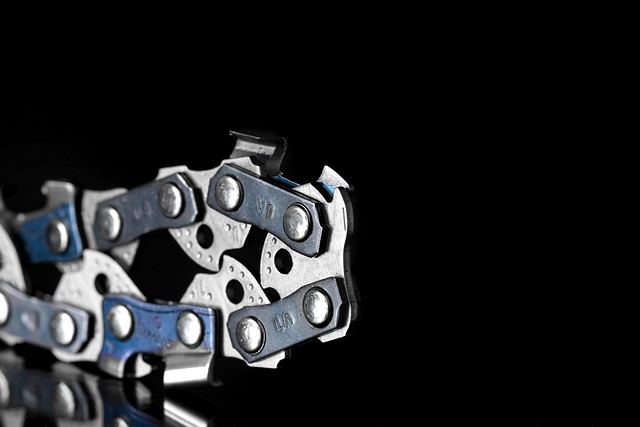
Stihl Pole Saws vs Traditional Chainsaws Which Offers Greater Precision
Our Systems Have Detected Unusual Activity Coming From Your System. Please Try Again Later.
In professional forestry and arboriculture, choosing between a Stihl pole saw and a traditional chainsaw is not merely about preference but precision, reach, and control. For high trimming or delicate canopy work, the pole saw’s extended shaft delivers superior reach with reduced climbing risk. Meanwhile, the standard chainsaw remains unmatched in raw power for felling and limbing at ground level. The key difference lies in how each tool balances torque, chain speed, and ergonomics to match the operator’s task demands. Professionals who alternate between both often achieve the most efficient workflow.
Comparing Stihl Pole Saws and Traditional Chainsaws in Professional Applications
Selecting between these tools begins with understanding their mechanical intent and how design dictates performance across forestry tasks.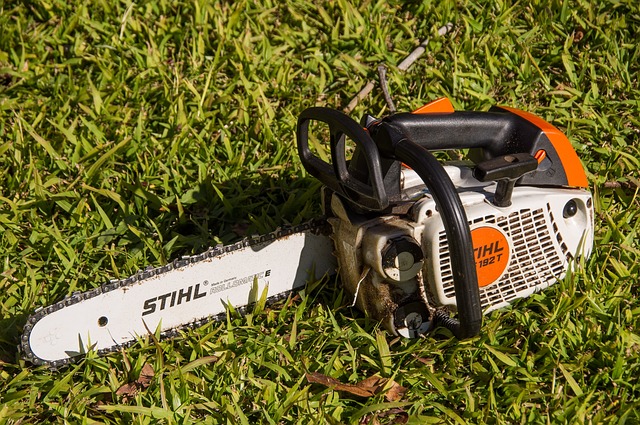
Overview of Cutting Equipment Categories
Pole saws are essentially chainsaws mounted on an extended shaft, designed for pruning or cutting branches at height without ladders or climbing gear. Traditional chainsaws, by contrast, are compact units optimized for close-quarters cutting such as felling trees or sectioning logs. In arboriculture, pole saws allow precise canopy shaping from the ground, while conventional chainsaws dominate in forestry operations requiring power through dense timber. Design plays a decisive role: long shafts enhance reach but shift weight distribution forward, reducing maneuverability compared to handheld models that allow faster directional control.
Engineering Design and Build Characteristics
Professional-grade Stihl models integrate high-torque engines with bar lengths tailored to specific workloads—typically shorter bars on pole saws for better balance and longer ones on chainsaws for depth of cut. Motor configurations vary from gas to battery systems; the latter gaining traction due to reduced emissions and noise levels. Ergonomically, modern Stihl equipment includes anti-vibration mounts and balanced handle geometry to reduce strain during extended use. Lightweight magnesium housings and reinforced polymer components improve durability under daily stress while maintaining manageable weight.
Evaluating Precision in Cutting Performance
Precision depends not only on blade sharpness but also on how reach, torque, and chain speed interact under load conditions typical in professional work settings.
The Role of Reach and Balance in Precision Work
Extended reach from a pole saw improves access to upper branches but can compromise fine control due to leverage effects. Operators must counterbalance the tool’s pivot point to maintain accuracy at full extension. A well-balanced pole saw reduces sway during overhead cuts, allowing smoother entry angles into wood fibers. Fatigue becomes a limiting factor—longer sessions amplify micro-tremors that degrade precision over time.
Chain Speed, Torque, and Cut Quality
Traditional chainsaws deliver higher torque output suited for thick hardwoods where steady power prevents stalling mid-cut. Pole saws prioritize moderate chain speed for safety at height; slower movement minimizes kickback risk while still producing clean finishes on smaller limbs. Faster chain speeds yield smoother cuts when precision alignment is less critical—such as bucking logs—but slower operation aids control during selective pruning where branch integrity matters.
Operational Efficiency Across Different Work Environments
Each tool finds its niche depending on working height, material density, and operator safety requirements.
Tree Maintenance and Pruning Applications
For elevated trimming tasks like crown thinning or storm cleanup, Stihl pole saws offer a clear advantage by keeping operators grounded while reaching up to 5 meters vertically. However, their limited bar size restricts effectiveness against thick branches exceeding 20 centimeters in diameter. Safety improves significantly since ground-based work reduces fall hazards associated with climbing harnesses or lifts.
Ground-Level Felling and Limbing Tasks
Traditional chainsaws excel when cutting near the trunk base or processing felled timber. Their compact form allows controlled movements around obstacles such as roots or stumps where long shafts would hinder mobility. On mixed job sites—urban parks or residential zones—switching between both tools enhances workflow efficiency: pole saws handle upper canopy clearance before chainsaws complete lower-level removal.
Safety, Control, and Operator Technique
Mastery of either tool requires disciplined ergonomics and adherence to built-in safety protocols that protect against vibration injuries or accidental contact.
Ergonomic Considerations During Extended Use
Correct posture alignment minimizes fatigue: arms slightly bent with shoulders relaxed keeps balance centered whether operating overhead or at waist level. Handle design varies—pole saw grips feature angled triggers for vertical orientation while chainsaw handles favor lateral stability during crosscuts. Anti-vibration systems integrated into Stihl models mitigate cumulative strain that can lead to hand-arm vibration syndrome over prolonged exposure.
Risk Management and Safety Enhancements
Both tools incorporate chain brakes that halt motion instantly upon kickback detection—a critical safeguard during unpredictable cuts. Pole saw operators face unique visibility challenges since branch angles obscure line-of-sight; frequent repositioning ensures accuracy without overreaching. Professional training emphasizes controlled throttle modulation to maintain stability rather than brute-force cutting speed.
Maintenance Demands and Longevity Factors
Maintenance routines directly affect both operational reliability and total cost of ownership over years of professional use.
Routine Maintenance Requirements for Both Tools
Sharpening intervals depend on wood hardness but typically follow every few hours of active cutting for consistent performance. Chains require proper lubrication via automatic oilers; neglect leads to premature wear on drive links and bars. Tension adjustments are simpler on modern Stihl units featuring side-mounted access points that reduce downtime between tasks. Over time, consumables like sprockets or filters represent predictable expenses factored into professional budgets.
Durability Under Continuous Professional Use
Drive components endure heavy mechanical stress under continuous loads; hardened steel gears resist deformation even after thousands of cycles. Environmental exposure—dust infiltration in dry zones or moisture ingress during wet seasons—accelerates wear unless regular cleaning protocols are observed. Availability of OEM replacement parts through authorized distributors extends service life beyond initial warranty periods, ensuring sustained performance across multiple job seasons.
Choosing the Right Tool Based on Task Precision Needs
The decision ultimately rests on aligning tool capability with operational objectives rather than brand loyalty alone.
Matching Tool Capabilities to Professional Objectives
Pole saws deliver superior precision where reach outweighs raw power needs—ideal for arborists managing ornamental trees in urban landscapes requiring minimal disturbance below canopy level. Traditional chainsaws remain indispensable for forestry crews tackling heavy felling operations demanding continuous torque throughput across large-diameter trunks.
Weighing Trade-Offs Between Reach, Control, Power Output, and Cut Quality
Extended reach introduces slight control trade-offs but enhances safety margins dramatically by eliminating climb-related risks. Conversely, compact chainsaws provide tactile feedback crucial for directional felling cuts where trajectory accuracy dictates success or failure of an operation.
Recommendations Based on Operational Context—Urban Tree Care vs Logging Environments
Urban tree care benefits from lightweight telescopic systems minimizing noise pollution near residential areas; logging environments demand high-displacement engines capable of sustained load endurance deep within forest terrain where service access is limited.
FAQ
Q1: What distinguishes a Stihl pole saw from a standard chainsaw?
A: A pole saw integrates an extended shaft enabling elevated pruning without climbing gear, whereas a standard chainsaw prioritizes close-range power cutting at ground level.
Q2: Which tool provides better precision during canopy maintenance?
A: The Stihl pole saw offers greater precision due to its reach advantage allowing controlled trimming from stable ground positions.
Q3: How does chain speed influence cut quality?
A: Higher chain speeds produce smoother cuts ideal for log processing; slower speeds improve control during fine pruning tasks requiring accuracy over pace.
Q4: Are battery-powered models suitable for professional workloads?
A: Yes, modern battery-powered Stihl units deliver sufficient torque for light-to-medium applications while reducing emissions and maintenance complexity.
Q5: What maintenance steps extend tool longevity?
A: Regular chain sharpening, correct lubrication levels, timely tension checks, and post-use cleaning protect internal mechanisms from premature wear under daily professional use.


