
What Are the Best Power Tools for Serious Work in 2026?
Choosing the best power tools is not about picking the largest kit in the store. It is about matching the tool to the work, the battery system to your daily use, and the safety features to the way you cut, drill, grind, fasten, sand, and repair.
For a homeowner, that may be one drill driver, one impact driver, and a small circular saw. For a contractor, it may mean a full cordless platform with spare batteries, chargers, dust control, and tools that can handle a pickup bed, a hot garage, and a muddy jobsite. OSHA’s 2026 Hand and Power Tools guidance, BLS 2023 injury data, CDC NIOSH safety research, and CPSC injury surveillance all point in the same direction: power matters, but control, fit, and safe setup matter just as much.
What Makes a Power Tool Worth Buying?
A good power tool should save time without adding risk or daily frustration. Specs help, but they do not show the whole picture. The tool has to sit well in your hand, use common accessories, and keep working after repeated starts, stops, drops, and dusty jobs. That part is not fancy, but anyone who has cleaned sawdust out of a switch knows why it matters.
Real Job Fit before Brand Hype
Start with the job list, not the logo on the case. If you hang cabinets, build decks, and repair metal brackets, you need clean drilling, firm fastening, straight cutting, and some grinding. If you mostly assemble shelves or fix hardware at home, a compact drill driver may help more than a heavy hammer drill that wears out your arm after ten minutes. The better choice is usually the tool you can control well, not the one with the loudest claim on the box.
Brushless Motors and Practical Power
Brushless motors are common now in mid-range and pro-grade cordless tools. They often run cooler and use less energy than older brushed designs, which helps when you drive long screws or make repeated cuts. Still, brushless does not always mean professional grade. Check build quality, chuck strength, trigger feel, gearbox housing, and how the tool behaves under load. On a drill, a smooth trigger can matter more than a small increase in peak torque.
Safety Features You Will Actually Use
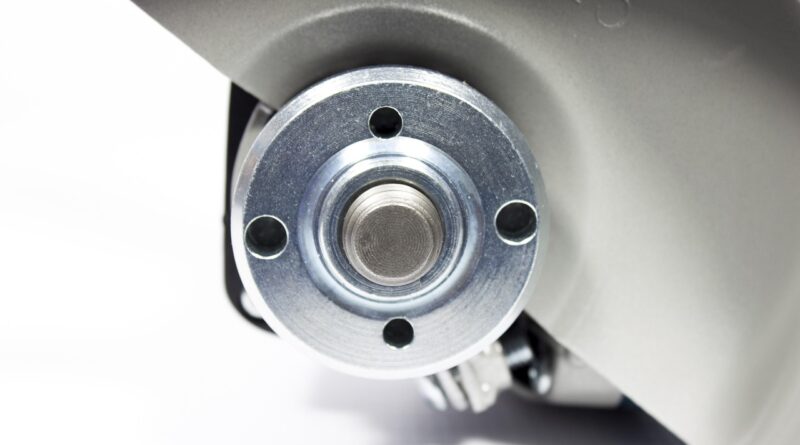
Good safety features should not get in the way during normal work, but they need to be there when something goes wrong. Blade guards, electric brakes, anti-kickback control, constant-pressure switches, and spindle locks all have real value. OSHA’s portable powered tool standards require guarding for many cutting and grinding tools, and OSHA’s Hand and Power Tools publication says guards should not be removed during use. That is not just wording from a manual. A grinder without its guard can turn a small cut into a serious face or hand injury.
Which Cordless Platform Should You Choose?
A cordless platform is more than one tool. It is a battery family, charger system, repair path, and long-term cost plan. Once you own five tools and four batteries, changing brands is not a small move. That is why the platform choice needs more thought than the first tool in the cart.
Voltage That Matches the Work
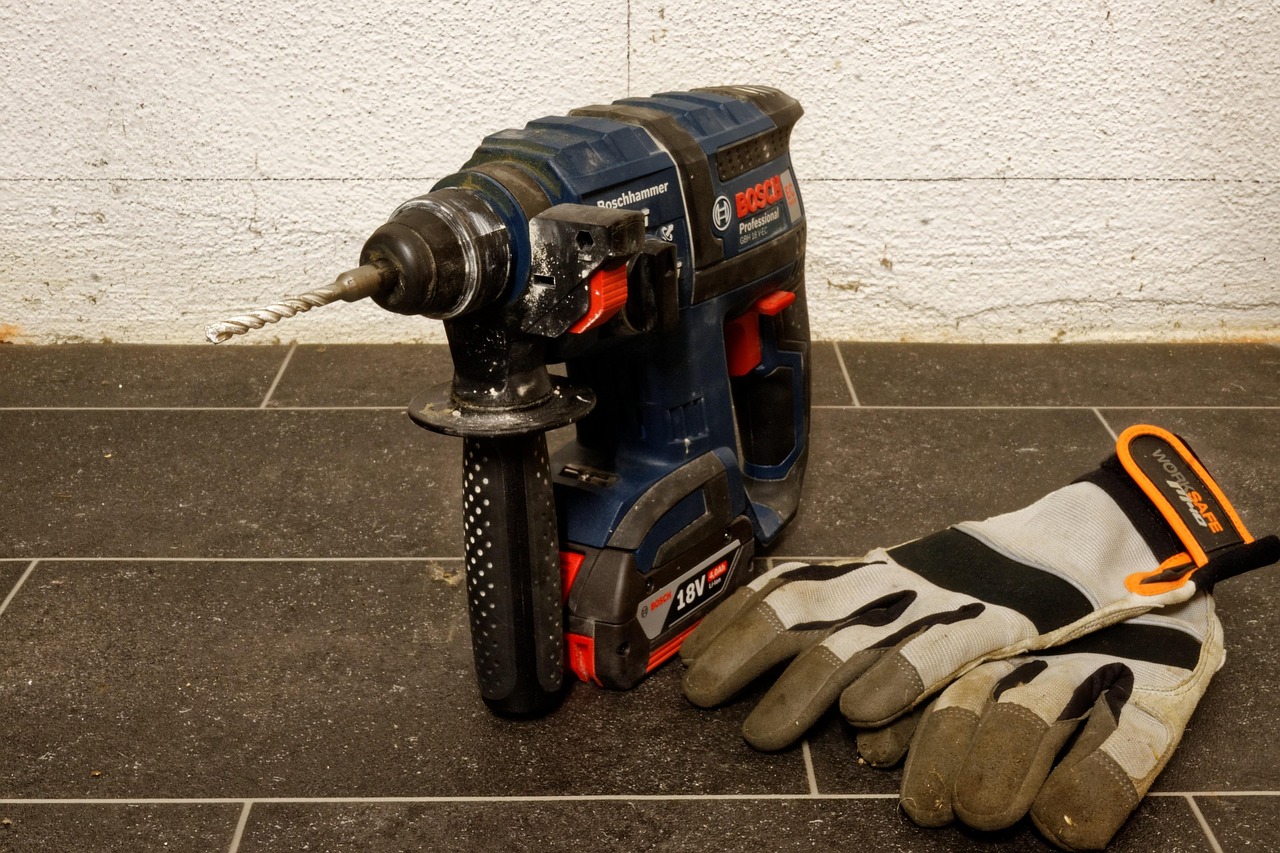
For most buyers, 12V tools are light, compact, and useful for cabinet work, electrical tasks, light fastening, and tight spaces. An 18V or 20V max platform covers heavier drilling, framing cuts, impact driving, and grinder work. Larger systems, such as 36V, 40V, 54V, or 60V max platforms, make sense when you run saws, rotary hammers, outdoor equipment, or high-demand tools through the day. Bigger is not always better. A heavy battery on a small driver can make a quick job feel awkward.
Battery Capacity without Guesswork
Amp-hours show capacity, but they do not tell the full power story. Watt-hours give a clearer view because voltage and amp-hours both count. For example, an 18V 5Ah pack has about 90Wh of energy. A compact 2Ah pack may be right for overhead drilling, while a 6Ah or 8Ah pack is usually better on a circular saw or grinder. The International Energy Agency’s 2025 battery reporting shows large growth in global battery manufacturing capacity, but power tool buyers still need to judge packs by heat control, cell quality, and tool demand, not buzzwords.
Chargers, Compatibility, and Long-Term Cost
Before buying a combo kit, check battery compatibility across the tools you may add later. Also check charger speed. A slow charger is fine for weekend use, but it can hold up a job if you run through batteries before lunch. Many buyers start with a cheap kit, then spend more on batteries than the original tool cost. That can be normal, but it should not catch you off guard. A simple platform plan works well for many crews and home shops: two compact batteries, two high-capacity batteries, and one faster charger can cover a lot of work.
Which Tools Should Be in a Starter Kit?
The best starter kit should cover the work you do every month, not every possible job you might do one day. A 12-piece bundle can look tempting, then half the tools stay in the bag. Build from the core tools first. Add specialty tools when a real project needs them.
Drill Driver and Impact Driver Pair
A drill driver handles holes, small screws, and fastening where you need control. An impact driver handles longer screws, lag bolts, deck fasteners, and repeated driving with less wrist strain. Together, they make the basic cordless pair for most users. Keep twist bits, spade bits, countersinks, nut drivers, and impact-rated driver bits in the same case. It saves walking back and forth, which sounds minor until you do it fifty times on a Saturday.
Circular Saw, Reciprocating Saw, and Oscillating Multi-Tool
A circular saw is the quick tool for plywood, boards, sheathing, and framing lumber. A reciprocating saw is rougher, but it works well for demolition, pipe cuts, nail-embedded wood, and pruning with the right blade. An oscillating multi-tool earns its spot on awkward cuts, trim removal, grout work, and small plunge cuts. CPSC’s NEISS coding manual tracks product categories such as portable circular power saws, portable power drills, nail guns, and grinders. That is a useful reminder that common tools still need careful handling, not casual use.
Grinder, Sander, and Work Light for Finishing
An angle grinder cuts metal, cleans welds, removes rust, and shapes masonry with the right wheel. It also needs respect every time you use it. Use the correct guard, rated disc, side handle, and eye protection. A random orbital sander gives a cleaner finish on wood and painted surfaces. A cordless work light may not look exciting, but it may become the most used tool in the bag. Bad light leads to crooked marks, missed fasteners, and small mistakes that take time to fix.
How Do You Compare Specs without Getting Fooled?
Spec sheets can help, but they are often written to make every tool sound stronger than it is. Torque, RPM, BPM, OPM, and watt output do not mean much if the tool overheats, vibrates too much, or needs hard-to-find accessories. Compare specs with the job in mind. When possible, also look at controlled tests, service history, and how the tool feels in hand. See also: Bolts & Fasteners.
Torque and Speed in the Right Context
High torque helps with large fasteners and hard drilling, but too much torque can strip screws or snap bits if the tool lacks control. Variable speed matters on drills, saws, and grinders because materials do not all react the same way. Metal needs a slower approach. Hardwood can burn. Masonry needs impact energy more than raw spin. A good trigger lets you start slow, correct the angle, and then add power. That small bit of control keeps holes cleaner and fasteners straighter.
Noise, Vibration, and Dust Control
CDC NIOSH maintains a Power Tools Sound and Vibration Database because noise and vibration change by tool type and model. NIOSH also recommends reducing vibration at the source and limiting time on vibrating tools. One NIOSH Research Rounds report noted that anti-vibration gloves reduced palm vibration by 5 to 20 percent at medium-to-high tool-like frequencies, but gloves do not solve the whole problem. Better tool design, sharp blades, dust extraction, and planned breaks usually do more.
Warranty, Parts, and Service Access
A strong warranty helps only when service is easy to use. Before buying, check local service centers, replacement part supply, battery warranty terms, and whether the brand repairs or replaces tools in a reasonable time. For trade users, downtime costs money. A cheaper grinder that sits in repair for three weeks may cost more than a better tool that finishes the job. For home use, parts availability still matters because switches, chucks, brushes on older tools, and guards can wear out.
How Can You Use Power Tools Safely and Make Them Last?
Good tools fail early when they are abused, stored wet, run with dull blades, or pushed beyond their job size. Safe use and long tool life often come from the same habits: clean accessories, correct setup, steady feed pressure, and no shortcuts with guards or cords.
PPE, Guards, and Switches
Use eye protection when cutting, drilling, grinding, or sanding. Add hearing protection for saws, grinders, rotary hammers, and long fastening sessions. OSHA and NIOSH both warn about hazards from powered tools, including flying material, electric shock, noise, and contact with moving parts. BLS 2023 data reported a 2.3 total recordable injury and illness case rate per 100 full-time workers in construction, while CDC NIOSH has reported construction as a high-risk sector for struck-by injuries. Tools are only one part of that picture, but they are one part you can control.
Storage, Cleaning, and Battery Care
Let hot batteries cool before charging. Keep packs out of standing water, direct summer heat, and freezing storage when possible. Blow dust from vents with low-pressure air, wipe resin from blades, and remove grit from chucks and collets. Do not force a dull blade through lumber or a worn disc through steel. That makes the motor work harder and heats the battery faster. A fresh blade often feels like a tool upgrade.
A Simple Buying Checklist
Before checkout, ask five plain questions. Does the tool match your real jobs? Does it fit a battery platform you plan to keep? Can you control it comfortably with one or two hands as designed? Are guards, brakes, dust ports, and switches built well? Can you get parts, blades, bits, batteries, and service without searching for days? If the answer is yes, the tool is probably a good fit for your work, even if it is not the most expensive option.
FAQ
Q1: What Are the Best Power Tools to Buy First? A: Start with a drill driver, impact driver, circular saw, work light, and a small set of quality bits and blades. Add a reciprocating saw, grinder, sander, or oscillating multi-tool when your projects need them.
Q2: Are Cordless Power Tools Better than Corded Tools? A: Cordless tools are better for moving around, quick setup, and most jobsite tasks. Corded tools still make sense for long stationary work, very high power demand, or shops where outlets are always close.
Q3: Is 18V or 20V Max Better for Power Tools? A: In many markets, 18V nominal and 20V max labels describe similar lithium-ion class platforms. Compare the actual tool, battery quality, charger, and service support instead of judging by the label alone.
Q4: Do You Need Brushless Power Tools? A: Brushless tools are a good choice if you use tools often, work under load, or want better runtime. For rare light jobs, a good brushed tool can still be fine if it is safe, comfortable, and well supported.
Q5: How Many Batteries Should You Own? A: For light home use, two batteries may be enough. For serious DIY or trade work, keep at least two compact packs, two larger packs, and a charger fast enough to keep work moving.


