
Are Lowes Power Tools Worth It for Homeowners and Contractors?
Are Lowes Power Tools Worth Buying for Real Projects?
If you are looking at lowes power tools for a garage, maintenance room, service truck, or small jobsite, start with the job, not the largest kit on the shelf. A cheap-looking deal can cost more later if the battery platform does not match your next tools, the saw guard feels poor, or the drill slows down in basic framing lumber. For more practical buying guides, visit the Tools & Power section.
Lowe’s is a wide retail channel, so the power tool aisle has to serve several buyers at the same time. Weekend homeowners, repair techs, remodelers, property managers, and tradespeople all shop there. That makes comparison easier because you can look at cordless drills, saws, grinders, sanders, batteries, chargers, and combo kits in one place, then decide how each tool will work after the box is open.
Store Scale Signals Broad Tool Demand
According to Lowe’s 2024 Annual Report for the fiscal year ended January 31, 2025, the company reported $83.7 billion in net sales, operated 1,748 stores at year end, and listed Tools as a $4.539 billion product category. The same report says a typical Lowe’s-branded home improvement store stocks about 40,000 items, with more items available online. In everyday buying terms, Lowe’s is not a small tool counter. It is a large buying channel, so you get many options, but you still need a clear filter before you buy. (corporate.lowes.com)
Project Fit Matters More than Store Hype
A drill for cabinet hinges, a rotary hammer for block walls, and a circular saw for 2x lumber are built for different loads. Before you compare prices, write down the main materials you cut, drill, or fasten: softwood, hardwood, sheet metal, masonry, tile, PVC, or composite decking. Match the tool to that material first. It is a basic step, but it prevents many returns and wasted batteries.
The Best Choice Starts with a Battery Platform
For cordless tools, the platform often matters more than the first tool in the cart. Once you own two batteries and a charger, changing brands starts to cost real money. If you already use a 20V or 24V platform, a bare tool may be the right buy. If you are starting from zero, a drill and impact driver kit with two batteries is usually the cleaner way in.
Which Lowes Power Tools Should You Buy First?
A useful tool setup grows step by step. Buy the tools that handle repeated holes, fasteners, and common cuts first. After that, add tools for demolition, sanding, grinding, or trim work. This keeps each purchase tied to a real job instead of filling a shelf.
Cordless Drill and Impact Driver
A drill handles holes, countersinks, light mixing, and careful fastening. An impact driver works better for long screws, deck fasteners, and lag bolts because it drives with less strain on your wrist. If you only buy one tool, start with a drill. If you build shelves, repair fences, mount hardware, or hang doors, the drill and driver pair will earn its place fast.
Circular Saw or Reciprocating Saw
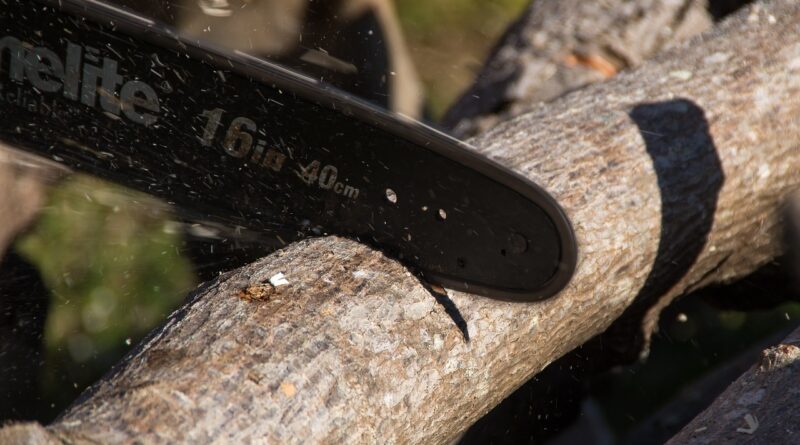
A circular saw gives straighter, cleaner cuts in plywood, studs, and trim stock. A reciprocating saw is rougher, but it is useful for demolition, pipe cuts, old framing, and nail-filled lumber. Lowe’s power tool listings include drills and drivers, saws, grinders, sanders, combo kits, and related categories, and Lowe’s own buying notes mention project requirements, corded versus cordless design, brand reliability, and ergonomics as buying factors. (lowes.com)
Grinder, Sander, and Oscillating Tool
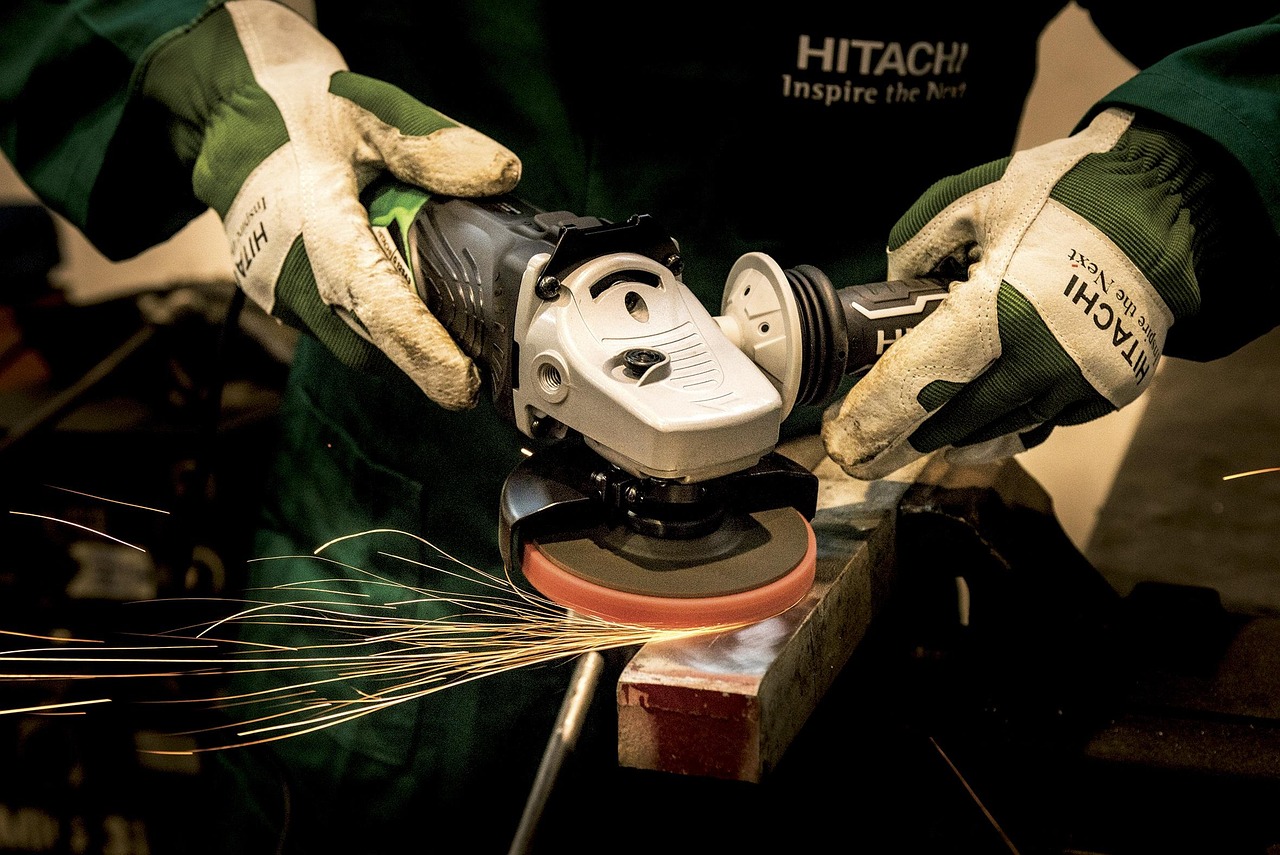
These are often the next tools a shop adds after the drill, driver, and saw. A grinder cuts threaded rod, cleans metal, and removes rust. A random orbit sander saves time and wrist strain on doors, shelves, and tabletops. An oscillating multi-tool looks small, but it is handy for plunge cuts, trim notches, grout removal, and tight repair work.
Corded vs Cordless Which Is Better at Lowe’s?
The better choice depends on runtime, work location, and cut load. Cordless is easy to carry and quick to set up. Corded tools still make sense when the work is long, dusty, or power-heavy. Most shops end up using both.
Cordless Tools for Mobility
Cordless tools fit jobs where you move around a property, climb ladders, work away from outlets, or handle punch-list repairs. A cordless drill, impact driver, circular saw, and oscillating tool can cover a lot of service and repair work. For apartments, sheds, fences, or quick calls, pulling out a cord can slow the job more than the cut itself.
Corded Tools for Long Cuts
Corded saws, grinders, sanders, and rotary hammers still make sense for long sessions. If you cut a stack of plywood, grind metal for an hour, or drill many holes in concrete, wall power keeps the tool running without battery swaps. Corded tools may also cost less because you are not buying batteries and chargers with every setup.
Battery Math for Real Workdays
Battery labels are worth reading. A 20V max, 5Ah pack stores much more usable energy than a small compact pack, but runtime still depends on load, temperature, blade sharpness, and tool design. For a homeowner, two mid-size batteries may be enough. For a contractor, three or four packs can keep work moving while one pack sits on the charger.
How Can You Judge Quality Before Adding a Tool to Your Cart?
Specs help, but your hands tell you things a spec sheet will not. If you can check the tool in store, hold it the way you would on the job. Look at balance, grip size, trigger control, guard movement, shoe adjustment, and whether the battery makes the tool feel back-heavy.
Brushless Motors and Heat Control
Brushless motors are common in better cordless tools because they reduce friction and use power with less waste. That does not mean every brushed tool is poor. A brushed drill can be fine for light home use. For daily drilling, repeated cuts, or heavy fasteners, brushless models usually run smoother and stay cooler.
Chuck, Shoe, Guard, and Trigger Feel
A drill chuck should tighten cleanly without wobble. A circular saw shoe should sit flat and adjust without a fight. A grinder guard should lock firmly, and the trigger should start in a controlled way instead of jumping from stop to full speed. These checks are simple, but they catch many cheap-tool problems before the receipt ends up lost in the truck.
Reviews, Warranty, and Parts Access
Do not stop at the star rating. Read low-star reviews and look for repeated issues such as battery failure, chuck runout, weak switches, poor blade tracking, or missing parts. Also check the warranty terms and make sure blades, bits, belts, pads, and batteries are easy to find. A tool with common accessories is easier to keep working. See also: Bolts & Fasteners.
What Safety Checks Should Guide Every Purchase?
A powerful tool is only worth buying if it can be used safely. Guards, switches, brakes, handles, dust ports, and PPE are not extras for careful people. They are part of the real cost of ownership, especially when more than one person will use the same saw or grinder.
Guarding Comes Before Speed
OSHA’s construction standard 29 CFR 1926.300 says hand and power tools must be maintained in safe condition and that power-operated tools designed for guards must have guards in place when used. It also says guarding protects workers from hazards such as rotating parts, flying chips, and sparks. That is enough reason to avoid modified, damaged, or missing-guard tools, even if the motor still runs. (osha.gov)
PPE Belongs in the Tool Budget
Set money aside for safety glasses, hearing protection, task-matched gloves, dust control, and sturdy footwear. OSHA guidance for construction safety checklists says eye and face protection should be worn when work can send foreign objects into the eye, including cutting, grinding, and nailing. Spending the whole budget on the tool and nothing on protection is not a good trade. (obis.osha.gov)
Injury Data Backs a Careful Setup
The U.S. Consumer Product Safety Commission’s NEISS Data Highlights for calendar year 2024 estimated 84,030 emergency department-treated injuries tied to power home workshop saws, 30,971 tied to power home tools excluding saws, and 21,682 tied to batteries. The point is direct: common tools can cause real injuries when setup, PPE, or maintenance is weak. That does not mean you should fear tools. It means you should buy safer designs, keep blades sharp, clamp the work, and slow down around kickback zones. (cpsc.gov)
Is a Lowes Power Tool Kit Better than Buying Bare Tools?
Kits can be a good buy, but only when most tools in the box will be used. A six-tool kit may look good in the cart. If two tools stay in the bag for years, the value is lower than it looked. Bare tools make more sense when you already own batteries and need one exact tool.
Combo Kits for New Setups
A starter combo kit makes sense if it includes a drill, impact driver, charger, and two batteries. Add a circular saw if you cut lumber often, and add a reciprocating saw if demolition is part of the work. For a new homeowner, this setup handles furniture assembly, shelving, fence repair, deck boards, and basic remodel prep. It is not fancy, but it covers the jobs that show up most often.
Bare Tools for Platform Expansion
Bare tools save money once your battery shelf is already set. For example, if you have two high-capacity packs, buying a bare grinder or jigsaw can be a sensible move. Still, check that the battery has enough output for high-draw tools. Small compact packs may run a light drill well, but they can feel weak on a saw.
A Simple Buying Rule
Use this rule: buy a kit when you need batteries, a charger, and at least two tools in the box. Buy bare when you already trust the platform and need one tool for a known job. If the choice still feels messy, pick the tool that solves next Saturday’s project. Do not pick the one that only looks better in a sale photo.
FAQ
Q1: Are Lowes Power Tools Good for Contractors? A: Yes, many are suitable for contractor use, especially when you choose proven brands, brushless models, strong batteries, and tools that match the trade task. Check warranty, parts access, and runtime before buying for daily work.
Q2: Should You Buy Corded or Cordless Power Tools at Lowe’s? A: Buy cordless for mobility, punch-list work, and fast setup. Buy corded for long cutting, grinding, sanding, or drilling sessions where steady power matters more than portability.
Q3: What Is the First Power Tool You Should Buy? A: A cordless drill is usually first. If you drive many screws, add an impact driver. Those two tools cover a wide range of home, shop, and repair tasks.
Q4: Are Combo Kits Better than Single Tools? A: Combo kits are better when you need batteries and will use most tools in the box. Single bare tools are better when you already own the battery platform.
Q5: What Safety Gear Should You Buy with Power Tools? A: Start with safety glasses, hearing protection, suitable gloves, dust control, and stable clamps. Add face shields, respirators, or cut-resistant gear when the task calls for it.


