
How to choose conduit pipe fittings for safe raceway connections
The practical answer
Choosing conduit pipe fittings starts with the job the fitting must do after the conduit is cut, turned, terminated, sealed, or transitioned. The right fitting protects conductors from abrasion and impact, supports the intended grounding and bonding path when metal raceway is used, matches the raceway type, and is listed or identified for the location.
In practical terms, a connector for electrical metallic tubing is not automatically acceptable for rigid metal conduit. A dry-location fitting is not automatically acceptable outdoors. A plumbing-style pipe part should not be substituted for an electrical raceway fitting. For related material categories and industry coverage, see the Fittings & Valves section.
This article focuses on selection principles for contractors, distributors, maintenance buyers, and specifiers. It is not a substitute for the electrical code adopted in a local jurisdiction or for the decision of the authority having jurisdiction.
Why conduit fittings matter in a raceway system
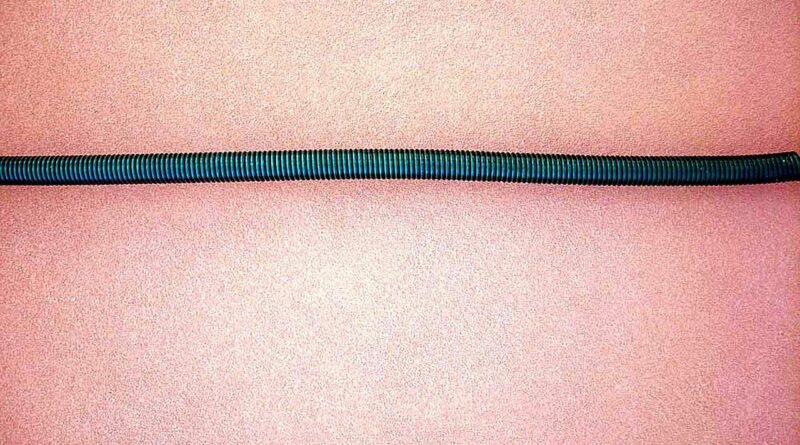
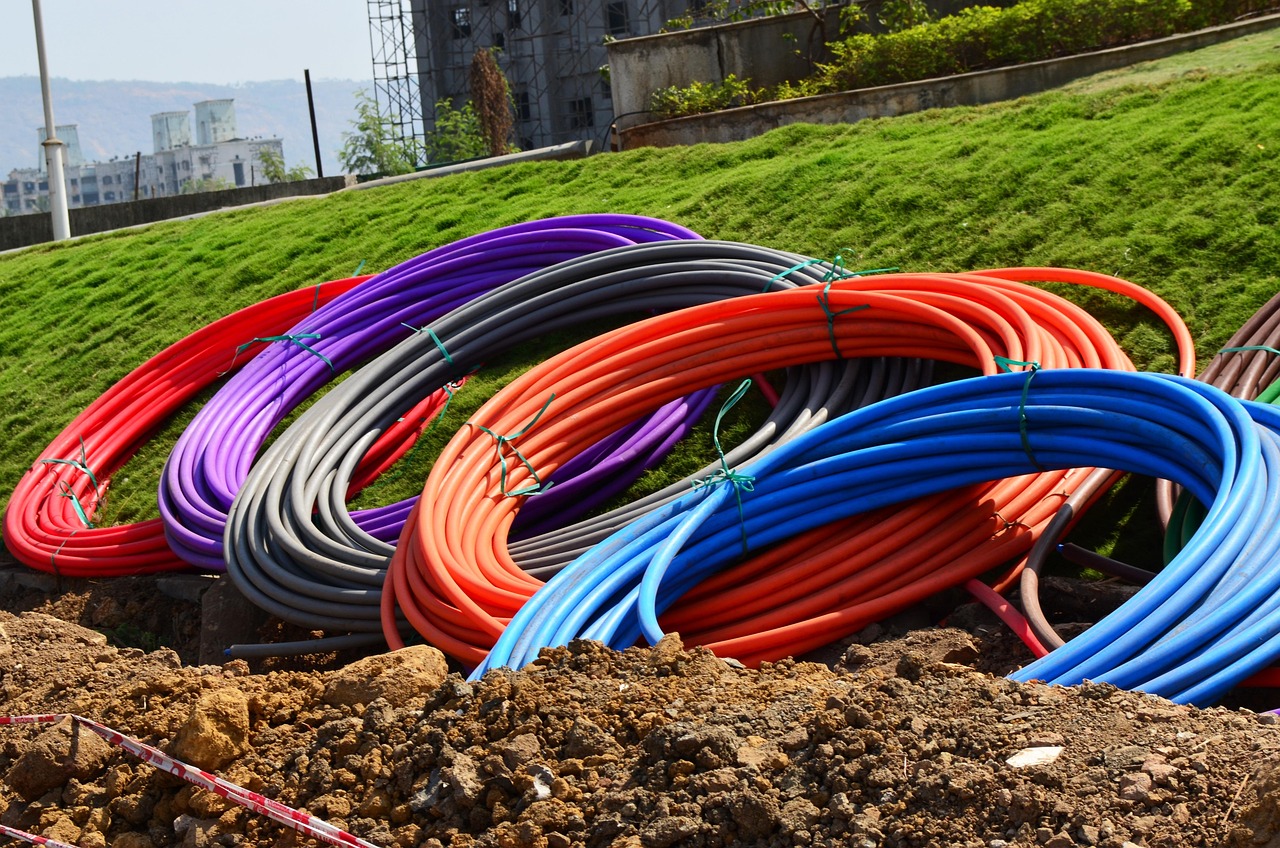
Electrical conduit is often called pipe because it is tubular, but its purpose is different from plumbing pipe. A conduit system routes and protects conductors. Fittings are the points where that protection either continues properly or breaks down. A poorly matched fitting can leave sharp edges at conductor entry, loosen under vibration, admit water, interrupt metallic continuity, or make future pulling and maintenance harder than the layout requires.
Industry standards reflect this distinction. UL 514B covers many conduit, tubing, and cable fittings intended for installation with electrical codes such as NFPA 70, the National Electrical Code. Its scope includes items such as locknuts, bushings, conduit bodies, entrance elbows, and fittings for electrical metallic tubing, flexible metal conduit, intermediate metal conduit, liquid-tight flexible conduit, and rigid metal conduit. NEMA FB 2.10 addresses practical selection and installation guidance for fittings used with non-flexible metal conduit and tubing, including rigid metal conduit, intermediate metal conduit, and electrical metallic tubing.
For buyers, the point is straightforward: the fitting is not a commodity afterthought. It is part of the raceway system and should be specified with the same care given to conduit material, conductor type, enclosure rating, and installation environment.
Match the fitting to the raceway before comparing price
The first filter is the raceway itself. Similar trade sizes do not make fittings interchangeable. A half-inch connector may look usable across several products, but the listing, thread form, compression method, sealing method, and mechanical grip can differ.
Rigid metal conduit and intermediate metal conduit
Rigid metal conduit and intermediate metal conduit are commonly used where a strong metallic raceway is required. Threaded connections are common, but threadless fittings are also available for certain applications. Selection should confirm whether the fitting is intended for threaded or nonthreaded ends, whether locknuts or hubs are needed at an enclosure, and whether the fitting is suitable for concrete, masonry, wet locations, corrosion exposure, or other jobsite conditions.
One common field mistake is treating every coupling on rigid or intermediate conduit as the same type of product. Factory-supplied threaded couplings that come with conduit are not always evaluated in the same way as separate specialty fittings. When a separate connector, union, reducing fitting, or threadless fitting is used, the installer should verify the marking and installation instructions instead of assuming the fitting inherits the conduit rating.
Electrical metallic tubing
Electrical metallic tubing, or EMT, normally uses set-screw or compression-style connectors and couplings. Set-screw fittings can be practical in dry indoor work where permitted by the adopted code and project specifications. Compression fittings are often selected where stronger mechanical grip, tighter assembly, or environmental suitability is needed, but the word compression alone does not prove wet-location suitability. The fitting must be listed or identified for the specific use.
Because EMT is widely used in commercial interiors, fittings are sometimes under-specified for areas near loading doors, mechanical rooms, parking structures, canopies, washdown areas, or exterior transitions. Those locations may introduce moisture, vibration, impact, or corrosion risks that are not present in a typical dry ceiling space.
Rigid PVC conduit and nonmetallic raceways
PVC conduit fittings are selected around material compatibility, solvent-cementing method, expansion, sunlight exposure, and movement. The joint system is different from metallic compression or threaded assembly. For long runs, temperature swings can cause expansion and contraction that must be addressed by the layout and, where required, expansion fittings. NEMA FB 2.40 provides guidance for expansion and expansion or deflection fittings used with nonflexible metallic and nonmetallic conduit and tubing.
With nonmetallic raceways, grounding and bonding design becomes especially important because the raceway itself is not a metal equipment grounding path. Fitting selection should be coordinated with conductor grounding requirements, enclosure entries, and any transitions to metal conduit or metal boxes.
Flexible and liquid-tight conduit
Flexible metal conduit, liquid-tight flexible metal conduit, and liquid-tight flexible nonmetallic conduit are used where movement, vibration, equipment connection, or installation geometry makes rigid raceway less practical. Their fittings must be chosen for the exact flexible conduit type and for the required environmental protection. A liquid-tight fitting is expected to seal around the conduit jacket and enclosure entry, but the rating still depends on the fitting design, gasket, locknut, installation torque, and manufacturer instructions.
Flexible systems are useful, but they should not be used to hide poor layout. Long flexible runs, tight bends, unsupported sections, or mismatched fittings can make pulling difficult and may reduce mechanical protection.
Main fitting types and how they affect the installation
| Fitting group | Typical purpose | Selection point |
|---|---|---|
| Connectors | Terminate conduit or tubing at a box, cabinet, conduit body, or enclosure | Check raceway type, thread or knockout entry, locknut or hub requirements, and location rating |
| Couplings | Join two conduit or tubing sections in a straight run | Confirm compatibility with threaded or nonthreaded ends and whether the joint must be concrete-tight or wet-location listed |
| Conduit bodies | Provide pull access, direction changes, or conductor access where permitted | Verify size, cover, volume, conductor fill rules, and whether splicing is allowed for the marked body |
| Bushings and insulated throats | Protect conductors at conduit ends and reduce abrasion risk | Use where conductor protection or grounding bushing requirements apply |
| Hubs | Create a secure enclosure entry, commonly on outdoor or wet-location enclosures | Match enclosure type, gasket method, thread type, and environmental rating |
| Reducers and adapters | Transition between trade sizes, thread types, or raceway systems | Avoid improvised stacks of parts unless the assembly is permitted and each fitting is suitable for the use |
| Expansion and deflection fittings | Accommodate thermal movement, building movement, or ground movement | Specify movement range, raceway type, bonding method, and location suitability |
| Sealing fittings | Limit passage of gases, vapors, moisture, or fluids in specific applications | Use fittings listed for the classification and install sealing compound or drains as instructed |
This table is useful for procurement because it separates the function of a fitting from its appearance. Two fittings with the same trade size can solve different problems. A connector is not a coupling, a conduit body is not simply an elbow, and a reducer should not be used as a workaround for a missing transition fitting without checking listing and code requirements.
Code, listing, and marking checks buyers should not skip
As of 2026, NFPA identifies the 2026 edition of NFPA 70, the National Electrical Code, as the current edition. However, electrical codes are adopted by states and local jurisdictions on their own schedules. A project may still be governed by an earlier edition, plus local amendments. Specifications should therefore identify the adopted code edition and should not rely only on a national publication date.
For conduit pipe fittings, three checks are especially important.
- Listing and standard coverage. UL 514B is a central standard for conduit, tubing, and cable fittings, but it does not cover every possible condition. Fittings for hazardous classified locations, for example, require the correct hazardous-location evaluation rather than a general conduit-fitting assumption.
- Location suitability. A fitting used in a wet, damp, underground, corrosive, washdown, rooftop, or concrete-encased location should be marked or identified for that condition. A dry indoor fitting may physically install outdoors but still be the wrong product.
- Manufacturer instructions. Many failures come from installation rather than product choice. Torque, gasket placement, thread engagement, conduit preparation, and use of sealing rings all affect the completed joint.
The 2026 NEC change summaries published by the Steel Tube Institute highlight several themes that matter to fittings: aboveground wet-location raceways must be arranged to drain, the inside of raceways in wet locations is treated as a wet location, and combinations of conduit or tubing bends are limited between pull points. These points support a practical design rule: fittings should be selected as part of the full route, not as isolated parts at the end of procurement. See also: Bolts & Fasteners.
Environmental conditions drive the material choice
Material selection is not only about strength. It is about how the fitting, conduit, enclosure, and surrounding atmosphere interact over time.
In a dry commercial interior, zinc-plated steel or die-cast fittings may be appropriate where listed and permitted. In exterior, coastal, wastewater, chemical, food-processing, rooftop, or washdown environments, corrosion resistance becomes a primary selection factor. Stainless steel, PVC-coated metal, nonmetallic systems, or purpose-built corrosion-resistant fittings may be needed depending on the exposure. Where dissimilar metals meet, corrosion risk should be reviewed instead of assuming that all metallic parts are compatible.
Wet locations need a separate review. OSHA rules for construction wiring state that cabinets, fittings, and boxes in damp or wet locations must be installed to prevent moisture or water from entering and accumulating, and wet-location enclosures must be weatherproof. Even when a fitting is marked for wet locations, poor orientation can still trap water. Drainage, enclosure entry location, gasket compression, and the route of the raceway all matter.
Movement is another environmental issue. Long PVC runs exposed to sunlight, raceways crossing structural expansion joints, and underground-to-aboveground transitions can experience expansion, contraction, or settlement. Expansion and deflection fittings exist for these conditions, but they must be placed where movement actually occurs and installed with the correct travel setting.
Installation details that protect continuity and conductors
A fitting can be correctly specified and still fail if the installation is careless. For metallic raceways, electrical continuity is a core performance requirement. OSHA construction rules state that metal raceways, cable armor, and metal enclosures for conductors must be joined into a continuous electric conductor and connected to boxes, fittings, and cabinets to provide effective electrical continuity. Loose locknuts, paint under bonding surfaces, damaged threads, and incompatible adapters are therefore more than cosmetic issues.
Conductor protection is equally important. Cut conduit ends should be reamed where required so insulation is not damaged during pulling. Bushings or insulated throats may be needed where conductors enter cabinets or where larger conductors require extra protection. Openings in boxes, cabinets, and fittings should be effectively closed so the enclosure maintains its intended protection.
Bend management is often overlooked. Too many bends between pull points increase pulling tension and can damage conductors. Conduit bodies and pull boxes are not just layout conveniences; they help keep the pull practical and serviceable. When a route changes direction several times, designers should count total degrees of bend and add accessible pull points before installation becomes difficult.
Finally, fittings should be tightened as a system, not as isolated parts. A connector that is tight to the conduit but loose to the enclosure is still a weak point. A liquid-tight connector with an incorrectly seated sealing ring is not performing as intended. A compression fitting installed over a damaged conduit end may not grip evenly. The best fitting choice is only as reliable as the workmanship that completes the joint.
A procurement checklist for conduit pipe fittings
Before ordering, buyers can reduce mistakes by requiring the following information on the bill of materials or submittal package:
- Raceway type, trade size, and material for each fitting line item.
- Connector or coupling style, such as threaded, set-screw, compression, liquid-tight, or solvent-cemented.
- Indoor, outdoor, damp, wet, underground, concrete, corrosive, hazardous, or washdown exposure.
- Required listing, certification mark, or project specification reference.
- Enclosure entry method, including hubs, locknuts, sealing washers, bonding bushings, or threaded openings.
- Corrosion-resistance requirement, including stainless steel, galvanized steel, PVC-coated metal, nonmetallic, or other specified material.
- Movement requirement, including expansion, deflection, vibration, or flexible equipment connection.
- Pull-access requirement, including conduit bodies, pull elbows, or boxes where conductor routing needs them.
- Compatibility with grounding and bonding design, especially at transitions between metallic and nonmetallic raceways.
- Manufacturer installation instructions for torque, gasket placement, compound, solvent cement, or support spacing.
This checklist also helps when comparing quotes. A lower unit price may not be economical if the fitting lacks the wet-location rating, corrosion resistance, or transition geometry required by the job. Substitution requests should be reviewed against function, listing, material, and installation conditions, not only trade size.
Frequently asked questions
Are conduit pipe fittings the same as plumbing pipe fittings?
No. The phrase conduit pipe fittings is common in purchasing searches, but electrical conduit fittings are designed for raceway systems, conductor protection, grounding continuity, enclosure entry, and code compliance. Plumbing fittings should not be substituted for electrical conduit fittings unless they are specifically listed or identified for the electrical use, which ordinary plumbing parts usually are not.
Can one fitting be used for EMT, rigid conduit, and PVC if the trade size matches?
Usually no. Trade size alone is not enough. EMT, rigid metal conduit, intermediate metal conduit, PVC conduit, and flexible conduit use different connection methods and have different listing requirements. The fitting must be marked or specified for the exact raceway type and location.
What should be checked first for outdoor conduit fittings?
Start with location suitability. Confirm that the fitting, enclosure entry, gasket or sealing method, and conduit type are suitable for wet or damp exposure. Also consider corrosion, UV exposure for nonmetallic materials, drainage, and whether conductors inside the raceway are suitable for wet locations where the code treats the raceway interior as wet.
When are expansion fittings needed?
Expansion fittings are considered where thermal movement, structural movement, or ground movement can stress the raceway. They are common in long PVC runs, exposed exterior runs, bridge or roof installations, and transitions where settlement may occur. The required fitting type and placement depend on the raceway material, length, temperature range, and project code requirements.
Why do inspectors focus on fittings so closely?
Fittings are where many raceway problems become visible: loose continuity paths, missing bushings, unlisted transitions, dry-location parts outdoors, unsupported flexible sections, too many bends, or openings that are not properly closed. Inspectors focus on them because they directly affect conductor protection, grounding, water entry, and serviceability.
Bottom line
The right conduit pipe fittings are selected by function, raceway type, environment, listing, and installation method. A reliable specification should state more than size. It should explain where the fitting is used, what it connects, what exposure it must withstand, and how it contributes to the complete raceway system. When those details are clear, fittings become a controlled part of electrical safety and maintainability rather than a last-minute purchasing guess.


