
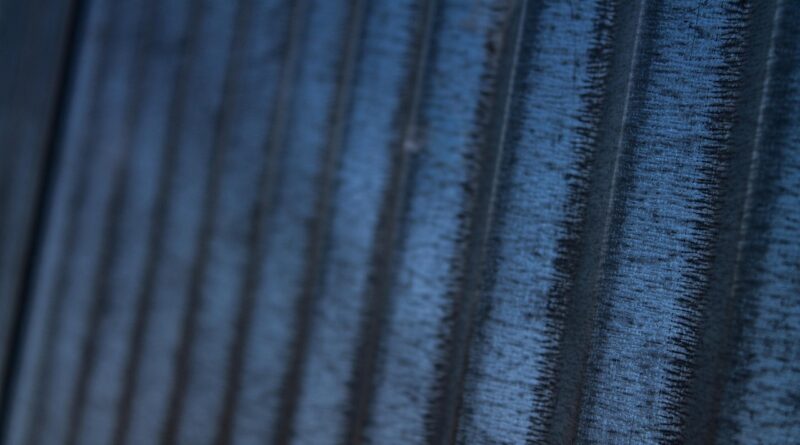
Corrugated iron sheets explained for roofing and wall cladding
What corrugated iron sheets are
Corrugated iron sheets are thin metal sheets formed into repeating waves or ribs. The shape gives the sheet more stiffness without adding much weight. In modern building supply, the term usually refers to corrugated galvanized steel rather than pure iron: a steel sheet is coated with zinc for corrosion resistance, then roll-formed into a corrugated profile. Te Ara, the Encyclopedia of New Zealand, describes corrugated iron as technically light steel sheet galvanized with zinc on both sides and rolled into corrugations, which is a useful reminder that the traditional name has outlived the original material terminology. (teara.govt.nz)
For buyers, specifiers, and building owners, the key question is not simply “is it corrugated iron?” The practical question is which steel substrate, coating designation, gauge, profile depth, finish, fastener system, and installation method are being used. Those details decide whether the sheet is suitable for a shed wall, agricultural roof, interior feature, fence, residential roof, or engineered commercial cladding assembly.
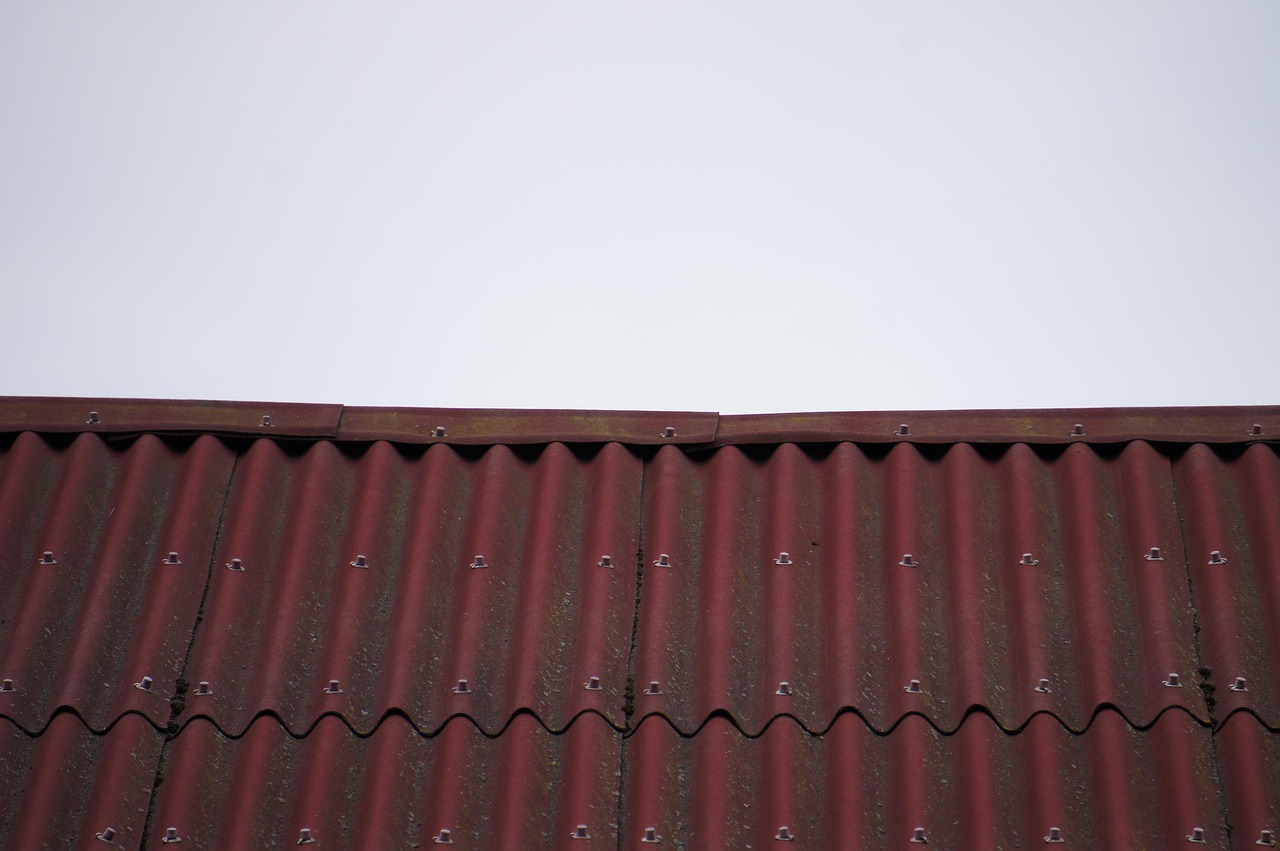
This guide focuses on practical material and surface considerations. For related metal surface guides, visit the Metals & Surfaces section.
Why corrugation and coating matter
A flat sheet can bend easily across its width. Corrugation changes that behavior by adding geometry: the waves or ribs increase stiffness along the sheet direction and help the panel bridge between supports. That is why lightweight corrugated panels can cover roofs and walls with less material than a plain flat sheet of the same metal thickness.
The coating is just as important. Bare carbon steel can corrode quickly when exposed to moisture and oxygen. Galvanized corrugated sheets use zinc as the protective metallic coating. ASTM A653/A653M covers steel sheet that is zinc-coated, or zinc-iron alloy-coated, by the hot-dip process in coils and cut lengths. The standard also states that zinc or zinc-iron alloy coating designations should be specified because atmospheric corrosion resistance is directly related to coating thickness or coating weight. (store.astm.org)
In plain language, the corrugated profile helps the sheet carry load, while the metallic coating helps the steel survive exposure. A good-looking panel with an underspecified coating may still perform poorly in a coastal, industrial, or high-moisture environment. A heavy coating on the wrong panel profile may also be unsuitable if span, fasteners, roof slope, or code requirements are not addressed.
Key specification terms to check
Many problems with corrugated iron sheets start with vague ordering language. “Galvanized corrugated sheet” is a starting point, not a complete specification. Check the following terms before comparing products by price.
| Term | What it affects | Why it matters |
|---|---|---|
| Base metal | Strength, formability, and compatibility | Most modern corrugated iron is steel, but grade and yield strength can vary. |
| Gauge or thickness | Panel stiffness, dent resistance, and weight | Lower gauge numbers generally indicate thicker sheet, but profile shape also affects performance. |
| Profile | Span capability, drainage, appearance, and fastening | Traditional round corrugation differs from box rib, deep rib, and architectural profiles. |
| Coating designation | Corrosion resistance | G90, G60, Z275, and similar terms refer to metallic coating mass or weight under defined standards. |
| Finish system | Color retention, chalking, and surface durability | Painted panels should be evaluated as a coating system over a metallic-coated substrate. |
| Fastener type | Leak resistance and galvanic compatibility | Fasteners, washers, and sealants must suit the panel metal and exposure. |
Galvanized coating designations
For U.S. specifications, G designations are commonly used with ASTM A653 galvanized sheet. ASTM’s coating table lists, for example, G60 as 0.60 oz/ft² total both sides and G90 as 0.90 oz/ft² total both sides under the triple-spot test. The same ASTM table lists SI zinc coating designations such as Z180 and Z275 in g/m². (store.astm.org)
Do not assume that “galvanized” is enough. Two sheets may look similar but have different coating weights. For roofs or exterior walls, the coating designation should be written into the purchase specification along with sheet thickness and profile.
Painted and aluminum-zinc coated options
Many panels sold for architectural work are not plain galvanized finish. They may be prepainted metallic-coated steel, 55% aluminum-zinc alloy-coated steel, or another coated sheet product. The 2024 International Residential Code recognizes several corrosion-resistance routes for metal roof coverings, including ASTM A653 G90 galvanized steel, ASTM A792 AZ50 55% aluminum-zinc-alloy-coated steel, and prepainted steel under ASTM A755 when applied over compliant corrosion-resistant coatings. (codes.iccsafe.org)
That does not mean every coated sheet is interchangeable. Painted systems are often selected for color and weathering appearance. Metallic coatings are selected for corrosion resistance. In many specifications, both layers matter: the metallic coating protects the steel, while the paint system influences appearance, solar reflectance, and surface weathering.
Where corrugated iron sheets are commonly used
Corrugated iron sheets are used in agricultural buildings, sheds, garages, fences, industrial enclosures, residential accents, rain-screen walls, canopies, and some roof systems. Their appeal comes from low weight, fast installation, familiar appearance, and broad availability. In heritage contexts, the material also carries a recognizable industrial and rural character.
For roofing, corrugated sheets are usually part of an assembly, not a standalone solution. The panel must work with underlayment, decking or purlins, flashings, closures, sealants, edge trims, gutters, and penetrations. On walls, the same sheet may perform mainly as cladding, with separate layers handling air control, water management, vapor control, insulation, and structure.
Interior use is different. A corrugated sheet used as a ceiling or wall lining may not face the same rain exposure, but it still needs safe edges, appropriate fire and code review, condensation planning in damp spaces, and a finish suitable for occupant contact. A decorative panel should not be treated as structural unless it was designed and installed for that role.
Design and installation checks before specifying
Corrugated metal panels look simple, but installation details decide performance. A sheet that is acceptable on a steep shed roof may not be acceptable on a low-slope roof, a high-wind site, or a coastal building. In the United States, the 2024 IRC requires metal roof panels to resist component and cladding loads, and it identifies wind-resistance test methods such as FM 4474, UL 580, UL 1897, and ASTM E1592 depending on the roof system. (codes.iccsafe.org) See also: Bolts & Fasteners.
- Confirm roof slope. Corrugated through-fastened panels need enough slope to drain and to reduce water sitting around laps and fasteners. Minimum slope should come from the panel manufacturer and local code.
- Check span tables. Profile depth, steel thickness, grade, and fastener pattern affect allowable spans. Do not rely on gauge alone.
- Match fasteners to the sheet. Galvanized steel panels normally require compatible corrosion-resistant fasteners with washers suitable for exterior exposure.
- Plan side laps and end laps. The lap direction should shed water. End laps often need sealant or tape as specified by the panel manufacturer.
- Control condensation. Metal surfaces can cool quickly and collect condensation. Ventilation, insulation, underlayment, or anti-condensation layers may be needed.
- Avoid incompatible contact. Dissimilar metals, treated lumber chemicals, trapped debris, and standing water can accelerate corrosion.
- Protect cut edges. Site cutting can expose steel edges. Good practice includes clean cutting, debris removal, and following finish repair guidance.
- Detail penetrations carefully. Pipes, skylights, vents, and rooftop equipment are common leak points if flashing is improvised.
These checks are not just contractor preferences. They connect the sheet material to the building envelope. Corrugated iron sheets can be durable, but only when coating, profile, drainage, fastening, and maintenance are aligned with the exposure.
How to compare corrugated iron sheets before buying
Price per sheet can be misleading because sheets differ in coverage width, length, gauge, coating, paint system, and profile. A cheaper sheet with narrower effective coverage may cost more per installed square foot. A sheet with a lighter coating may be reasonable for a temporary interior partition but unsuitable for a long-term exterior roof.
Use a comparison checklist:
- State the application: roof, wall, fence, interior lining, agricultural shed, or architectural cladding.
- Record the environment: inland, coastal, industrial, high humidity, snow, hail, or high wind.
- Write the sheet thickness or gauge and the steel grade where available.
- Identify the profile: corrugation pitch, depth, rib pattern, and net coverage width.
- Specify the coating designation, not just “galvanized.”
- For colored panels, ask for the paint system and substrate coating beneath it.
- Confirm manufacturer span tables, fastener pattern, and minimum slope.
- Check whether accessories use compatible metals and finishes.
- Compare warranty terms cautiously; understand what exposure, installation, and maintenance conditions are excluded.
A useful specification is clear enough for another supplier to quote the same performance category. If a quote omits coating designation, profile data, or compatible fasteners, the lowest number may simply reflect missing information.
Maintenance and service-life considerations
Corrugated iron sheets do not need complicated maintenance, but they do need basic care. Keep gutters and laps clear of leaves, dirt, and metal swarf. Inspect fastener washers, exposed cut edges, scratches, and areas where water ponds. Recoat or repair finishes according to the coating supplier’s instructions rather than using an unverified paint system.
Service life depends on environment and design. Inland, well-drained roofs with adequate coating and clean details generally face less corrosion stress than coastal roofs, animal housing, industrial atmospheres, or panels exposed to fertilizers and chemical vapors. This is why a single promised lifespan is not a reliable way to evaluate corrugated iron sheets. The better approach is to match the coating system and detailing to the exposure category.
Frequently asked questions
Are corrugated iron sheets actually iron?
In most modern construction supply, no. The traditional name usually refers to corrugated galvanized steel sheet. Historic terminology remains common because the material has been sold and recognized under that name for generations.
Do corrugated iron sheets rust?
They can rust if the protective coating is too light for the environment, damaged, poorly detailed, or left in contact with trapped moisture and corrosive materials. Galvanizing reduces corrosion risk, but it does not make steel immune to all exposure conditions.
Is G90 always better than G60?
G90 has a heavier zinc coating designation than G60 under ASTM A653, so it generally offers greater atmospheric corrosion resistance when other factors are equal. However, the right choice still depends on application, environment, finish system, budget, and applicable code requirements.
Can corrugated sheets be used on low-slope roofs?
Only if the specific panel system, seams, fasteners, underlayment, and manufacturer instructions allow it. Through-fastened corrugated panels are often sensitive to low-slope drainage details, so roof slope should be verified before purchase.
What is the difference between galvanized and painted corrugated sheets?
Galvanized sheets rely on a zinc coating over steel. Painted corrugated sheets add an organic coating system, usually over a metallic-coated steel substrate. Paint changes color and surface weathering behavior, but the underlying metallic coating remains important for corrosion protection.


