
Mechanic tools to build a reliable repair setup
What mechanic tools should a repair setup include?
Mechanic tools are best selected around the work they have to do, not around filling every drawer in a tool chest. A reliable setup starts with sockets, ratchets, wrenches, screwdrivers, pliers, measuring tools, torque tools, lifting equipment, lighting and safe power tools. For automotive, equipment and general machinery work, the useful question is whether each tool helps you remove, hold, measure, tighten, cut, diagnose or protect. That approach limits duplicate purchases and reduces the chance of using the wrong tool on a fastener, electrical task or load-bearing repair.
This guide groups mechanic tools by function and explains where standards and safety guidance matter. It references public guidance from OSHA for hand and power tool safety, ASME B107 hand tool standards, ISO 6789 torque tool standards and NFPA 70E electrical safety principles, while keeping the focus on practical selection for garages and workshops.
Start with the core hand tools
Hand tools remain the foundation of most repair work because they provide control, feedback and access in tight spaces. Power tools can speed up repetitive jobs, but final fit, alignment and tightening often still depend on basic hand tools.
A balanced mechanic tool kit normally begins with:
- Socket sets: Include common metric and SAE sizes if the work involves mixed vehicles, older equipment or imported machinery. Six-point sockets are useful for stubborn fasteners because they grip the flats more fully, while twelve-point sockets can help in tighter indexing situations.
- Ratchets and extensions: A 1/4-inch drive is useful for small fasteners, a 3/8-inch drive covers many general repair tasks, and a 1/2-inch drive is better suited to higher-torque work such as suspension, wheels and heavy brackets.
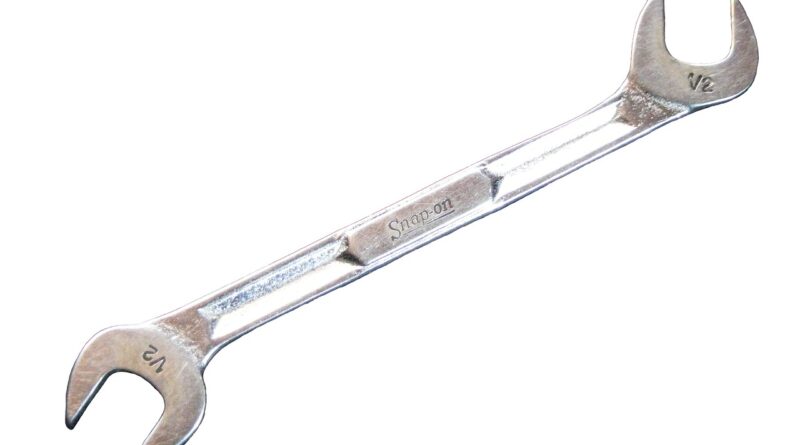
- Combination wrenches: Open ends help with line-of-sight access, while box ends spread force around the fastener. Flare-nut wrenches are worth adding for brake, fuel and hydraulic fittings.
- Screwdrivers and bit drivers: Flat, Phillips, Torx, hex and security bits should match the fasteners actually found in the equipment being repaired.
- Pliers: Needle-nose, slip-joint, locking, diagonal cutters, hose-clamp pliers and snap-ring pliers all solve different holding or removal problems.
- Striking tools: Ball-peen hammers, dead-blow hammers, punches and chisels should be matched to the material and force required.
ASME’s B107 family of standards is relevant because it addresses performance, dimensions, tolerances and safety expectations for categories such as wrenches, pliers, screwdrivers, sockets, striking tools and torque instruments. A buyer does not need to memorize each standard, but choosing tools built to recognized standards is a practical way to avoid poorly sized jaws, weak handles or sockets that deform under load.
Use torque tools where fastener accuracy matters
Many repairs fail not because a tool is weak, but because a fastener is under-tightened, over-tightened or tightened unevenly. Engine components, wheels, brakes, suspension parts, pressure covers and aluminum housings often depend on correct torque. In those jobs, a torque wrench is not a luxury item; it is part of the repair method.
Common torque tools include click-type torque wrenches, beam-style wrenches, dial wrenches, digital torque wrenches and torque screwdrivers. Each type has a different cost, durability profile and reading method. Click-type tools are popular because they are simple and fast. Digital tools can offer clearer readings and memory functions, but they still need care, battery management and verification.
ISO 6789-1:2017 covers requirements and marking for hand torque tools used for controlled tightening of screws and nuts, while ISO 6789-2:2017 addresses calibration. ASME B107.300 also covers hand torque tools and torque testers. The practical takeaway is straightforward: a torque wrench should be treated as a measuring instrument, not as a breaker bar. It should be stored unloaded if the manufacturer requires it, protected from impact and checked at suitable intervals based on use, shop policy and the accuracy needed for the job.
| Tool type | Best use | Selection note |
|---|---|---|
| Click torque wrench | General automotive and machinery tightening | Simple to use, but should not be used to loosen seized fasteners |
| Digital torque wrench | Work requiring clear readouts or recorded torque values | Protect from impact, moisture and battery failure |
| Torque screwdriver | Small fasteners, electronics, trim and assemblies | Useful where over-tightening can strip threads or crack parts |
| Breaker bar | Loosening high-resistance fasteners | Use before final tightening; do not substitute for a torque wrench |
Add power and air tools for speed, not guesswork
Power tools make a repair setup more productive, especially when removing multiple fasteners, drilling, grinding, cutting or cleaning surfaces. However, power should not replace judgment. Impact wrenches, drills, grinders and pneumatic tools can damage fasteners, stretch threads, overheat surfaces or create flying debris when used without control.
For a mechanic’s workspace, the most common power and air tools include:
- Cordless impact wrench: Useful for fast removal of lug nuts, suspension bolts and equipment fasteners. Choose the drive size and torque range according to the work rather than buying only by the highest advertised torque.
- Cordless drill or driver: Suitable for drilling, light fastening and accessory work. A clutch helps reduce stripped screws and broken bits.
- Angle grinder: Effective for cutting, grinding and surface preparation, but it requires the correct wheel, guard and eye protection.
- Air ratchet: Good for repetitive fastening in confined areas, though final torque should still be verified when specifications matter.
- Blow gun and air line accessories: Useful for cleaning, but compressed air can create injection, eye and flying-particle hazards.
OSHA’s construction rules for hand and power tools are a useful safety reference even for readers outside construction. OSHA addresses guarding, switches, pneumatic equipment and compressed air cleaning. One specific rule is that compressed air used for cleaning must be reduced to less than 30 psi and used with effective chip guarding and appropriate personal protective equipment. In a garage, that principle translates into a simple habit: never treat compressed air as harmless.
For more tool category guides and workshop hardware topics, visit the Tools & Power section.
Do not separate mechanic tools from safety equipment
A tool kit is incomplete if it ignores protection. The same wrench that solves a job can become dangerous when a fastener breaks loose suddenly, a vehicle shifts, a grinder wheel fails or a battery circuit is shorted. Safety equipment should be stored close enough to the work that it is used as part of the job, not treated as an afterthought.
Core safety items include safety glasses, mechanic gloves suited to the task, hearing protection, respirators or masks for dust-producing work, fire extinguishers, wheel chocks, jack stands and adequate lighting. Lifting equipment deserves special attention. A hydraulic jack is a lifting device, not a support stand. Once a vehicle or machine is raised, properly rated stands or other approved supports should carry the load before any body part goes underneath.
Electrical work adds another layer. NFPA 70E is widely used as a reference for electrical safety practices in the workplace and covers the need for appropriate tools and protective measures when energized parts may be involved. For mechanics working around hybrid vehicles, electric vehicles, industrial batteries, starters, alternators or control cabinets, ordinary metal hand tools can create serious short-circuit or shock hazards. Insulated tools should be selected for the voltage and task, inspected for damaged insulation and used as part of a broader electrical safety procedure.
Build the kit by task, not by drawer count
Large pre-filled tool sets can look efficient, but they often include duplicates, low-use sizes or accessories that do not match the work. A better approach is to build in layers. Start with the jobs performed most often, identify the fasteners and measurements involved, then add tools that remove bottlenecks.
For a home garage
A home garage setup should prioritize general maintenance and safe lifting. Useful early purchases include a metric socket set, SAE sockets if needed, combination wrenches, screwdrivers, pliers, a tire pressure gauge, a torque wrench for wheels and common service items, an oil filter wrench, a drain pan, a work light, a floor jack and jack stands. A code reader may be valuable for modern vehicle work, but it should not replace mechanical inspection. See also: Bolts & Fasteners.
For a mobile mechanic kit
Mobile work rewards compactness and redundancy in the right places. Ratcheting wrenches, pass-through sockets, magnetic trays, compact cordless tools, diagnostic cables, portable lighting, battery jump equipment and organized cases can save time. The limitation is weight: every added tool must justify the space it takes in the vehicle.
For a professional bay
A professional bay needs more depth in measurement, torque control and specialty tools. Dial indicators, calipers, thread gauges, compression testers, brake service tools, pullers, bearing tools and scan equipment may all become necessary depending on the work mix. In a shop environment, tool control also matters. Missing sockets, mixed torque wrenches and untracked adapters can slow jobs and create quality issues.
Check material, fit and serviceability before price
Price matters, but low price becomes expensive if a socket rounds a fastener, a ratchet slips under load or a screwdriver tip cams out and damages a component. A practical evaluation looks at fit, finish, material, warranty terms, replacement availability and whether the tool can be maintained.
For sockets and wrenches, test how cleanly the tool fits common fasteners. Excessive play can damage fastener heads. For ratchets, consider tooth count, head size, handle comfort and whether the mechanism can be cleaned or rebuilt. For screwdrivers, look for accurately formed tips and handles that allow control without encouraging over-torque. For pliers, check jaw alignment, pivot smoothness and cutting-edge hardness.
Tool material descriptions such as chrome vanadium or chrome molybdenum can be helpful, but they do not tell the whole story. Heat treatment, geometry, quality control and intended use are just as important. Chrome sockets are generally used with hand ratchets, while impact-rated sockets are designed for impact tools. Mixing them casually is unsafe and can damage both tool and fastener.
Serviceability is also part of value. Replaceable ratchet heads, available calibration service for torque tools, common battery platforms and replaceable wear parts can extend the useful life of a setup. A mechanic tool kit should become more accurate and efficient over time, not just larger.
Organize tools so the repair process stays visible
Organization is more than neatness. It reduces lost time, prevents duplicate purchases and helps reveal missing tools before a machine is reassembled. Socket rails, labeled drawers, foam inserts, magnetic trays and small-parts bins all serve the same goal: make the status of the job visible.
For fastener-heavy repairs, separate removed parts by assembly order. For example, use labeled trays for intake, bracket, electrical and cover hardware rather than mixing every bolt in one container. When torque steps matter, keep the torque wrench, service information and fasteners together until the final check is complete.
Inspection should be routine. Remove mushroomed punches, cracked sockets, rounded hex keys, chipped screwdriver tips and damaged extension cords from service. OSHA’s general tool safety approach is built around the same idea: tools must be maintained in safe condition, and damaged tools should not remain in use. A simple monthly inspection can prevent a failure that would otherwise appear during a high-force task.
Frequently asked questions
What mechanic tools should I buy first?
Start with a socket set, ratchets, combination wrenches, screwdrivers, pliers, a torque wrench, lighting, gloves, safety glasses and safe lifting equipment. Add specialty tools only when a real repair task requires them.
Are metric or SAE mechanic tools more important?
It depends on the equipment. Many modern vehicles use metric fasteners, while older domestic vehicles, machinery, trailers and mixed workshop equipment may still require SAE sizes. A mixed repair environment often needs both.
Do I need a torque wrench for basic maintenance?
Yes, if the maintenance involves wheels, brakes, suspension, engine covers, drain plugs or any fastener with a specified torque. Guessing by feel can strip threads, warp parts or leave fasteners under-tightened.
Can impact tools replace hand tools?
No. Impact tools save time when loosening and running fasteners, but hand tools and torque tools are still needed for alignment, delicate parts, final tightening and controlled assembly.
How often should mechanic tools be inspected?
High-use tools should be checked frequently, and damaged tools should be removed immediately. Torque tools should be verified according to use, manufacturer guidance, shop policy and the accuracy required for the work.


